

You are using an out of date browser. It may not display this or other websites correctly.
You should upgrade or use an alternative browser.
You should upgrade or use an alternative browser.
African American Moved To Ghana After Feeling Miserable In America
- Thread starter dat aint da same sandwich
- Start date
More options
Who Replied?

get these nets
Veteran
Good stuff.
(For those who haven't watched the video, the young woman explains the Jamaican flag @8:00 mark)
There was already an African American ex-pat community in Ghana when Malcolm X visited in 1964. He spoke about them in the AutoBio. Here he is with Maya Angelou and a few others.
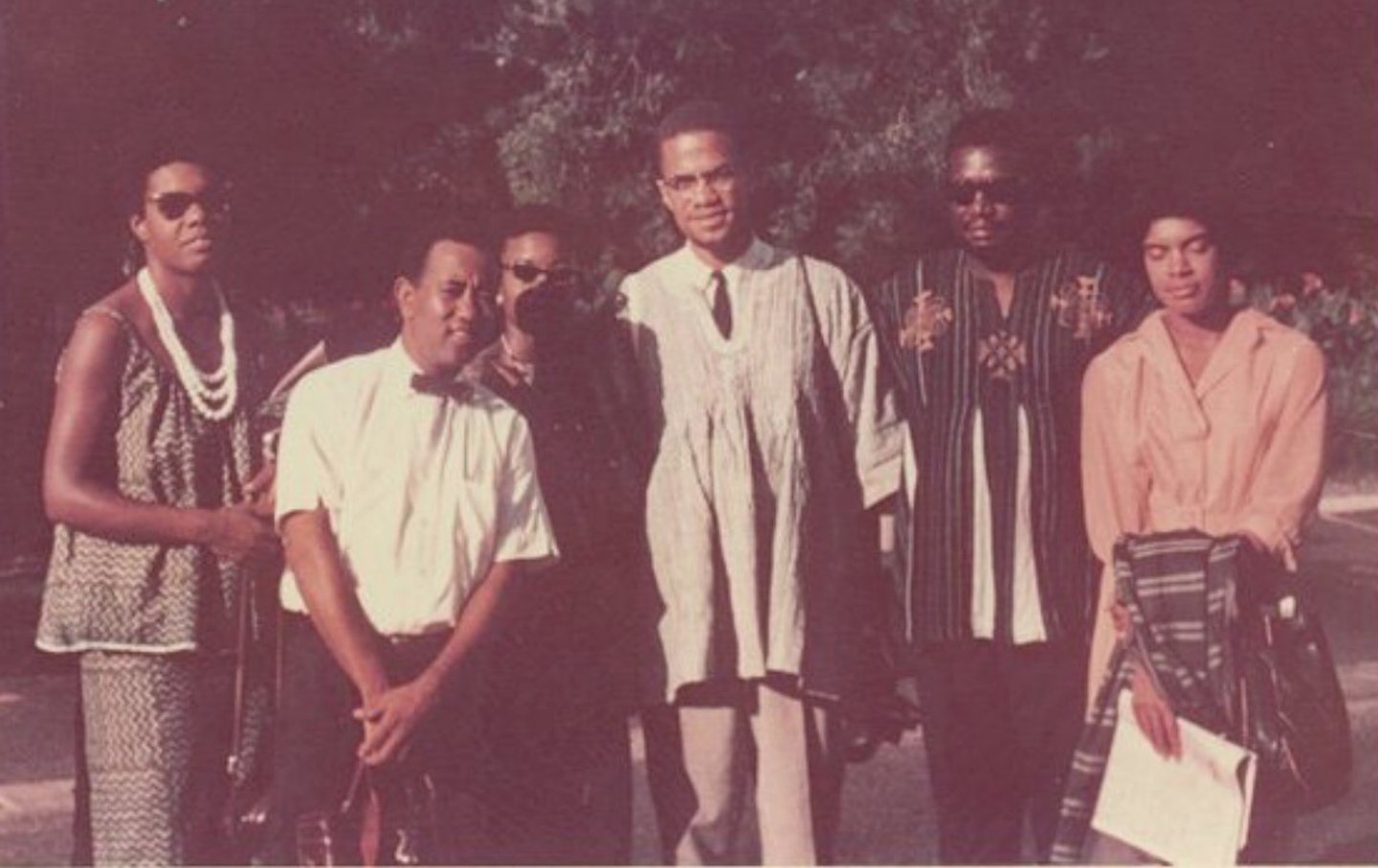
(For those who haven't watched the video, the young woman explains the Jamaican flag @8:00 mark)
There was already an African American ex-pat community in Ghana when Malcolm X visited in 1964. He spoke about them in the AutoBio. Here he is with Maya Angelou and a few others.
Last edited:
dat aint da same sandwich
links wid dem grits
Good stuff.
(For those who haven't watched the video, the young woman explains the Jamaican flag @8:00 mark)
There was already an African American ex-pat community in Ghana when Malcolm X visited in 1964. He spoke about them in the AutoBio. Here he is with Maya Angelou and a few others.
Ghana would be the first place to consider if I ever moved to the continent. I plan to own property and land out there anyway.
get these nets
Veteran
Lady in OP vid is featured in article

 travelnoire.com
08/25/25
travelnoire.com
08/25/25
It’s been 10 years since that life-changing trip, and so much has changed since relocating in 2019. She opened the Jamaican Food Truck, Deijha Vu’s Jerk Hut, and is officially a Ghanaian citizen. Here’s how Deijah is faring today.
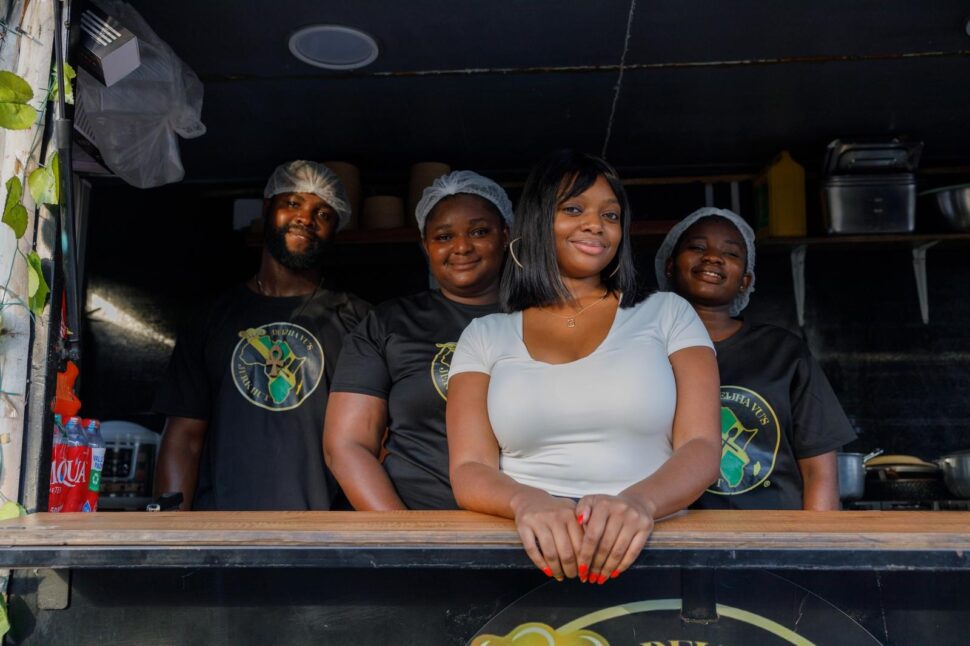 Deijha Gordon
Travel Noire: Can you talk to us about your life now compared to when we first interviewed you?
Deijha Gordon: I understand the grounds of Ghana more now, and I am a bit more established. There’s still more work to do with entering a new country, culture, and starting a business, but my quality of life is better. In New York City, everything felt so fast-paced, and there was so much pressure to have life figured out. In Ghana, life is more laid back, peaceful, and slower-paced.
TN: Where are you now with your business?
DG: After I started my business, the pandemic hit, and I was stagnant for a few years. I was trying to build a restaurant and put so much money into the space, but I never got to use it. At one point, I didn’t have any more money, and I had to go back to the drawing board, so I decided to start my food truck. I found a new location, and things started picking up. One day, after I parked the truck, Jessie Woo came along with other celebrities and influencers, and everything took a turn for me.
It’s been humbling. The fact that people return to my food truck has been the motivation to keep going. Right now, I only have three staff members, and they are so amazing. My plan now is to franchise. An opportunity has come up to put a food truck in Nigeria, so I’m working on that now.
I also wrote a book called Trust The Process. It is available on Amazon. The book is about the thoughts I had of having this idea and executing it. It talks about what I have gone through and how I prepared as an entrepreneur. Now, I’m at a different stage in my life, so I am planning to write another book about maintaining everything.
TN: Are there any habits or mindsets that you’ve had to unlearn since leaving New York City?
DG: The pressure of being in a hurry and feeling like you have to have it all figured out. Also, this is personal, but as a Black American woman, I feel like I have to be so independent and do everything by myself, whereas in Ghana, people want to help you, even with the little things. They do it without a feeling like you owe them something. I had to learn to accept that.
TN: Do you feel moving to Ghana and becoming a citizen has changed your life?
DG: It has changed my life tremendously. I am not the same person that I was a few years ago. Sometimes, when I come back to America, I’m ready to leave and go back to Africa. However, anyone considering moving here should be patient with Ghana because it is still a growing country and economy.
People sometimes paint it to be this perfect picture there, and that’s when people begin to feel disappointed. I would still recommend that you visit first, see the land, and see how the people are. Go to the markets, talk to the locals, talk to your Uber drivers, and then make that move. I don’t recommend people simply sell everything and move.
How Black Expats Who Moved To Ghana Are Faring Today - Travel Noire
Travel Noire caught up with two Black expats to discuss their experience in Ghana since either becoming a citizen or an expat.
It’s been 10 years since that life-changing trip, and so much has changed since relocating in 2019. She opened the Jamaican Food Truck, Deijha Vu’s Jerk Hut, and is officially a Ghanaian citizen. Here’s how Deijah is faring today.
Travel Noire: Can you talk to us about your life now compared to when we first interviewed you?
Deijha Gordon: I understand the grounds of Ghana more now, and I am a bit more established. There’s still more work to do with entering a new country, culture, and starting a business, but my quality of life is better. In New York City, everything felt so fast-paced, and there was so much pressure to have life figured out. In Ghana, life is more laid back, peaceful, and slower-paced.
TN: Where are you now with your business?
DG: After I started my business, the pandemic hit, and I was stagnant for a few years. I was trying to build a restaurant and put so much money into the space, but I never got to use it. At one point, I didn’t have any more money, and I had to go back to the drawing board, so I decided to start my food truck. I found a new location, and things started picking up. One day, after I parked the truck, Jessie Woo came along with other celebrities and influencers, and everything took a turn for me.
It’s been humbling. The fact that people return to my food truck has been the motivation to keep going. Right now, I only have three staff members, and they are so amazing. My plan now is to franchise. An opportunity has come up to put a food truck in Nigeria, so I’m working on that now.
I also wrote a book called Trust The Process. It is available on Amazon. The book is about the thoughts I had of having this idea and executing it. It talks about what I have gone through and how I prepared as an entrepreneur. Now, I’m at a different stage in my life, so I am planning to write another book about maintaining everything.
TN: Are there any habits or mindsets that you’ve had to unlearn since leaving New York City?
DG: The pressure of being in a hurry and feeling like you have to have it all figured out. Also, this is personal, but as a Black American woman, I feel like I have to be so independent and do everything by myself, whereas in Ghana, people want to help you, even with the little things. They do it without a feeling like you owe them something. I had to learn to accept that.
TN: Do you feel moving to Ghana and becoming a citizen has changed your life?
DG: It has changed my life tremendously. I am not the same person that I was a few years ago. Sometimes, when I come back to America, I’m ready to leave and go back to Africa. However, anyone considering moving here should be patient with Ghana because it is still a growing country and economy.
People sometimes paint it to be this perfect picture there, and that’s when people begin to feel disappointed. I would still recommend that you visit first, see the land, and see how the people are. Go to the markets, talk to the locals, talk to your Uber drivers, and then make that move. I don’t recommend people simply sell everything and move.
Last edited: