perpetual war funding

Review & Outlook
The Power of the Purse
The ‘omnibus’ bill is no way to govern, but it offers hope for 2015.

U.S. Speaker of the House John Boehner (R., Ohio), left, and Senate Majority Leader Harry Reid (D., Nev.) in December. Reuters
Dec. 10, 2014 8:16 p.m. ET
67 COMMENTS
The 113th Congress is sprinting to a finish, and few besides Harry Reid will lament its passing. In its final budget splurge, however, Congress is at least showing hints of better governance and how a Republican majority might effectively use the power of the purse next year.
House and Senate appropriators late Tuesday unveiled a $1.01 trillion bill to fund the federal government through September. Its 1,600 pages contain thousands of spending and policy changes that deserve more time to assess. Yet the House plans to vote Thursday.
Blame for this rush job is bipartisan, starting with Mr. Reid, who six years ago shut down regular appropriations to shield Democrats and the White House from having to make spending choices. Government has lurched from one short-term funding bill to the next, and an important measure of the new GOP majority will be if it returns to regular budget order.
We’ll also be watching Speaker John Boehner to see if he honors his promises to give the House and the public 72 hours to review legislation. The Dec. 11 deadline for government funding has been known for months, yet Mr. Boehner is now presenting his Members with a choice of passing his bill or shutting down the government. He owes voters better.
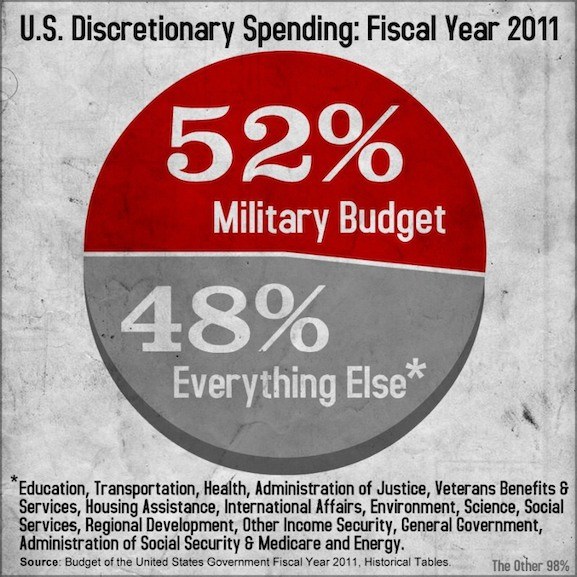
This Gargantua is nonetheless giving Republicans a chance to press some of their priorities. The bill funds 11 of 12 parts of the government through September and generally stays within the spending caps laid out in last year’s budget agreement—providing $521 billion to defense and $429 billion for domestic discretionary programs. It funds the Department of Homeland Security only through February, when Republicans will tee up a debate over President Obama’s immigration decree.
Some on the right are calling the caps a sham, and that’s partly true, since the bill adds $64 billion to fight Islamic State and $5.4 billion for Ebola that are outside the caps. Then again, the war has to be funded and defeating Ebola should be a priority.
More encouraging is that Republicans are showing how they can use Congress’s spending power to steer policy. Most of government has been on autopilot since 2010. This week’s bill starts to set new spending priorities.
The bill cuts nearly $350 million from an Internal Revenue Service that targeted conservative nonprofits and is acting as tax collector for ObamaCare. It slices $60 million from the imperial Environmental Protection Agency, whose budget is 21% below 2010 levels and will soon have as many employees as it did in 1989. The bill even does the unheard of and eliminates funding for programs, including Mr. Obama’s Race to the Top initiative that has stopped pushing useful education reform.
There are also useful policy riders, notably on regulation. Republicans began to reform the Dodd-Frank financial law by amending a rule that threatened to raise costs on Main Street businesses. They are also banning the Fish and Wildlife Service from placing the sage grouse on the Endangered Species list, ending the threat of a government land grab in 11 states. They are sparing farmers from an EPA plan to apply the Clean Water Act to small ponds and irrigation ditches, and truckers from new rules that slash their work weeks.
School districts will soon have more flexibility in implementing Michelle Obama’s proscriptive school-lunch menus. Failing multi-employer pension plans will be able to reduce benefits to reduce the chances that the plans are dumped on taxpayers. <--(George Carlin, "They want your retirement money. They want it back so they can give it to their criminal friends on Wall Street, and you know something? They’ll get it. )
And Republicans are helping taxpayers and the cause of free speech by raising the contribution limits to political parties. The higher limit, which will increase by 10 times to $324,000, is designed to allow the parties to fund their conventions with private dollars, since Republicans have eliminated taxpayer funds for those political shindigs.
Republicans were forced to concede on some of their highest priorities, such as the Keystone XL pipeline and substantive changes to ObamaCare, and they also gave in to Democratic spending increases for financial regulators, college loans, mass transit and federal employees, among other things. But Democrats still control the Senate, and Mr. Obama has the veto pen.
The omnibus nonetheless shows that Republicans can use the power of the purse if they pick the right fights and don’t insist on strategy of their-way-or-a-shutdown. Some breathless Beltway conservatives don’t seem to understand the difference.
Democrats like Henry Waxman used their majorities to build the entitlement and administrative state in increments year after year even with Republicans in the White House. Their method was to press small but notable liberal initiatives on so many fronts that the President’s men couldn’t stop them all. If the GOP brings along some Democrats in Congress, Mr. Obama find it even harder to veto. The mistake is portraying anything less than total victory as surrender.
The omnibus bill has plenty of barnacles, and its rush-to-a-vote is a disgrace, but Republicans are using it to make more policy progress than they have in four years. Next year they can make even more, if they understand that their spending power is formidable but not unlimited.
________________________________________
http://shoqvalue.com/george-carlin-on-the-american-dream-with-transcript/
You know what they want? They want obedient workers. Obedient workers, people who are just smart enough to run the machines and do the paperwork. And just dumb enough to passively accept all these increasingly shytty jobs with the lower pay, the longer hours, the reduced benefits, the end of overtime and vanishing pension that disappears the minute you go to collect it, and now they’re coming for your Social Security money. They want your retirement money. They want it back so they can give it to their criminal friends on Wall Street, and you know something? They’ll get it. They’ll get it all from you sooner or later cause they own this fukking place! It's a big club, and you ain’t in it! You, and I, are not in the big club.
http://shoqvalue.com/george-carlin-on-the-american-dream-with-transcript/
Review & Outlook
The Power of the Purse
The ‘omnibus’ bill is no way to govern, but it offers hope for 2015.
U.S. Speaker of the House John Boehner (R., Ohio), left, and Senate Majority Leader Harry Reid (D., Nev.) in December. Reuters
Dec. 10, 2014 8:16 p.m. ET
67 COMMENTS
The 113th Congress is sprinting to a finish, and few besides Harry Reid will lament its passing. In its final budget splurge, however, Congress is at least showing hints of better governance and how a Republican majority might effectively use the power of the purse next year.
House and Senate appropriators late Tuesday unveiled a $1.01 trillion bill to fund the federal government through September. Its 1,600 pages contain thousands of spending and policy changes that deserve more time to assess. Yet the House plans to vote Thursday.
Blame for this rush job is bipartisan, starting with Mr. Reid, who six years ago shut down regular appropriations to shield Democrats and the White House from having to make spending choices. Government has lurched from one short-term funding bill to the next, and an important measure of the new GOP majority will be if it returns to regular budget order.
We’ll also be watching Speaker John Boehner to see if he honors his promises to give the House and the public 72 hours to review legislation. The Dec. 11 deadline for government funding has been known for months, yet Mr. Boehner is now presenting his Members with a choice of passing his bill or shutting down the government. He owes voters better.
This Gargantua is nonetheless giving Republicans a chance to press some of their priorities. The bill funds 11 of 12 parts of the government through September and generally stays within the spending caps laid out in last year’s budget agreement—providing $521 billion to defense and $429 billion for domestic discretionary programs. It funds the Department of Homeland Security only through February, when Republicans will tee up a debate over President Obama’s immigration decree.
Some on the right are calling the caps a sham, and that’s partly true, since the bill adds $64 billion to fight Islamic State and $5.4 billion for Ebola that are outside the caps. Then again, the war has to be funded and defeating Ebola should be a priority.
More encouraging is that Republicans are showing how they can use Congress’s spending power to steer policy. Most of government has been on autopilot since 2010. This week’s bill starts to set new spending priorities.
The bill cuts nearly $350 million from an Internal Revenue Service that targeted conservative nonprofits and is acting as tax collector for ObamaCare. It slices $60 million from the imperial Environmental Protection Agency, whose budget is 21% below 2010 levels and will soon have as many employees as it did in 1989. The bill even does the unheard of and eliminates funding for programs, including Mr. Obama’s Race to the Top initiative that has stopped pushing useful education reform.
There are also useful policy riders, notably on regulation. Republicans began to reform the Dodd-Frank financial law by amending a rule that threatened to raise costs on Main Street businesses. They are also banning the Fish and Wildlife Service from placing the sage grouse on the Endangered Species list, ending the threat of a government land grab in 11 states. They are sparing farmers from an EPA plan to apply the Clean Water Act to small ponds and irrigation ditches, and truckers from new rules that slash their work weeks.
School districts will soon have more flexibility in implementing Michelle Obama’s proscriptive school-lunch menus. Failing multi-employer pension plans will be able to reduce benefits to reduce the chances that the plans are dumped on taxpayers. <--(George Carlin, "They want your retirement money. They want it back so they can give it to their criminal friends on Wall Street, and you know something? They’ll get it. )
And Republicans are helping taxpayers and the cause of free speech by raising the contribution limits to political parties. The higher limit, which will increase by 10 times to $324,000, is designed to allow the parties to fund their conventions with private dollars, since Republicans have eliminated taxpayer funds for those political shindigs.
Republicans were forced to concede on some of their highest priorities, such as the Keystone XL pipeline and substantive changes to ObamaCare, and they also gave in to Democratic spending increases for financial regulators, college loans, mass transit and federal employees, among other things. But Democrats still control the Senate, and Mr. Obama has the veto pen.
The omnibus nonetheless shows that Republicans can use the power of the purse if they pick the right fights and don’t insist on strategy of their-way-or-a-shutdown. Some breathless Beltway conservatives don’t seem to understand the difference.
Democrats like Henry Waxman used their majorities to build the entitlement and administrative state in increments year after year even with Republicans in the White House. Their method was to press small but notable liberal initiatives on so many fronts that the President’s men couldn’t stop them all. If the GOP brings along some Democrats in Congress, Mr. Obama find it even harder to veto. The mistake is portraying anything less than total victory as surrender.
The omnibus bill has plenty of barnacles, and its rush-to-a-vote is a disgrace, but Republicans are using it to make more policy progress than they have in four years. Next year they can make even more, if they understand that their spending power is formidable but not unlimited.
________________________________________
http://shoqvalue.com/george-carlin-on-the-american-dream-with-transcript/
You know what they want? They want obedient workers. Obedient workers, people who are just smart enough to run the machines and do the paperwork. And just dumb enough to passively accept all these increasingly shytty jobs with the lower pay, the longer hours, the reduced benefits, the end of overtime and vanishing pension that disappears the minute you go to collect it, and now they’re coming for your Social Security money. They want your retirement money. They want it back so they can give it to their criminal friends on Wall Street, and you know something? They’ll get it. They’ll get it all from you sooner or later cause they own this fukking place! It's a big club, and you ain’t in it! You, and I, are not in the big club.
http://shoqvalue.com/george-carlin-on-the-american-dream-with-transcript/