
You are using an out of date browser. It may not display this or other websites correctly.
You should upgrade or use an alternative browser.
You should upgrade or use an alternative browser.
Chicago mayor proposes a social media tax
- Thread starter valet
- Start date
More options
Who Replied?


Sir Richard Spirit
Superstar
For mental health services..

Does everyone get stupid once they get into public office ?
because these politicians dont work for the people they do the bidding of who cuts the biggest check, the power brokers, the real people in charge


Amo Husserl
Superstar
GET
THE
FUKK
OUTTA
HERE
'Cause it's not gonna stop at $0.50.
THE
FUKK
OUTTA
HERE
'Cause it's not gonna stop at $0.50.
Amo Husserl
Superstar
Costs will get shifted to the consumer through subscriptions most likely. This a dry run for something else though, don't miss that.
HE WANTS THE SOCIAL MEDIA
COMPANIES TO PAY IT
NOT THE USERS

They replaced Chopper Suit Lightfoot with this. Vote blue no matter who, y'all

At least hes being imaginative.

Wargames
One Of The Last Real Ones To Do It
He should make it a tax for collecting people’s data. It’s more widespread and not as absurd sounding as a social media tax.Does everyone get stupid once they get into public office ?
A lot of politicians don’t come from a background of implementing policy so they say shyt and don’t think about how hard it would be to execute it.

Pull Up the Roots
Talking? During horse head bookends?
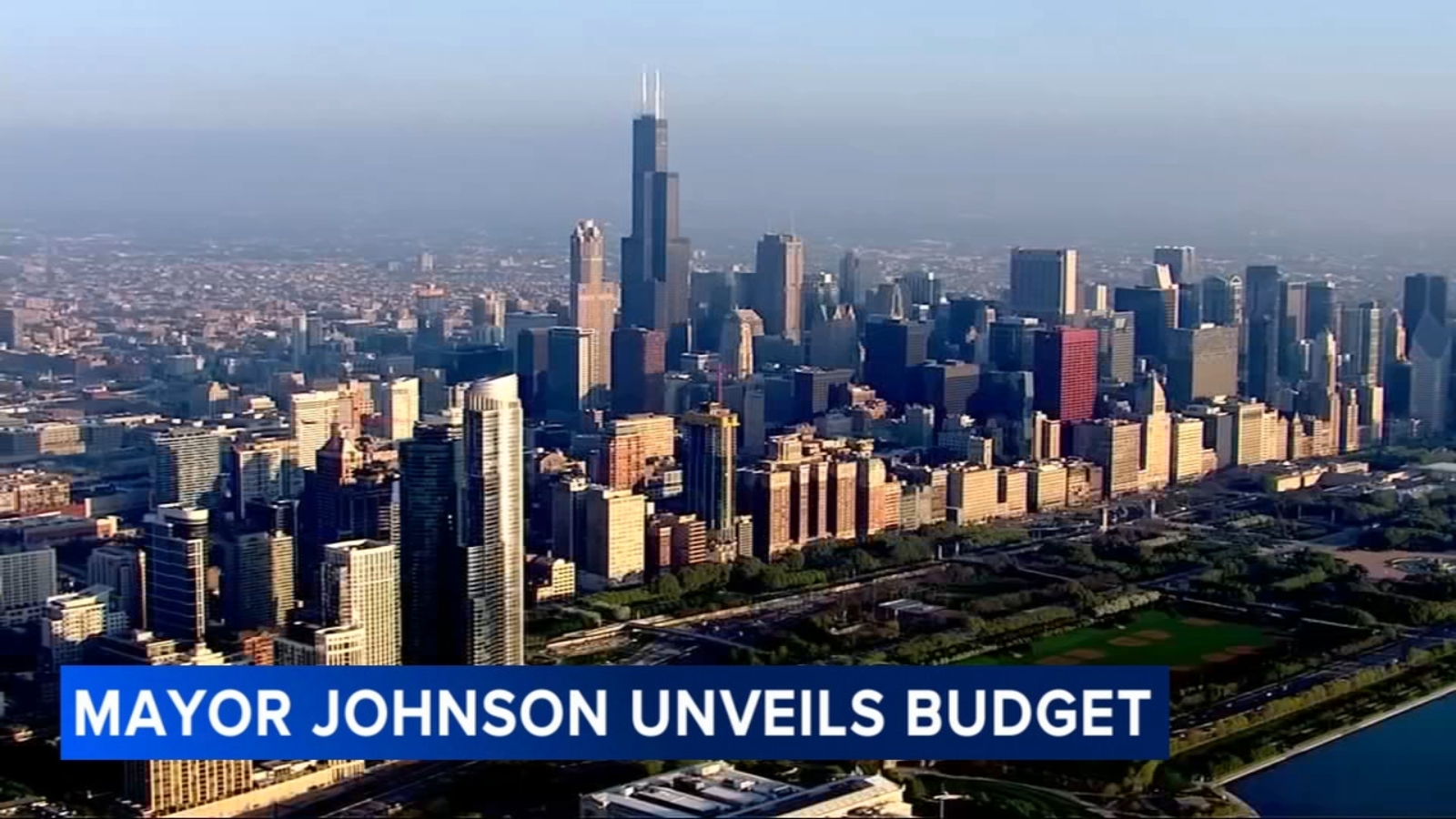
Mayor Johnson proposes social media tax to fund mental health clinics in 2026 budget
Mayor Brandon Johnson rolled out his budget for 2026 on Thursday as the city faces more than a billion-dollar deficit.
 abc7chicago.com
No new taxes or fees for Chicagoans
The mayor's proposed budget does not impose any new property taxes or fees on Chicagoans.
To avoid placing an "additional financial strain on working people," the mayor also proposed the abolition of the grocery tax and reducing the motor vehicle lessor tax from $2.75 to $0.50 per rental period.
Social media tax to fund mental health programs
The mayor's budget proposes two new special revenue funds for mental health and community safety.
The programs would be funded by adding a tax fee on social media companies called Social Media Amusement & Responsibility Tax, or SMART.
Money collected from the companies would fund "free mental health clinics throughout Chicago and the expansion of mental health crisis response teams," the mayor said.
The tax would charge social media companies 50 cents per active user over 100,000 in Chicago. The mayor's office expects the proposed tax to generate $31 million.
"And just like we tax other addictive vices that are bad for our health, like nicotine and tobacco, it is far past time we treat social media companies the same way," Johnson said. "I'm not going to sugar coat it if we fail to invest in community safety in this budget at historic levels, the federal government will try to use that as justification for military occupation of our city."
"Well, a social media tax has been challenged in many other states. The Supreme Court has looked at these and said these are First Amendment issues and struck down states' chances to try to tax these," 32nd Ward Ald. Scott Waguespack said.
The budget also creates a $100 million Community Safety Fund to increase funding for youth diversion and employment programs.
Taxing large corporations and the 'ultra-rich'
As a direct response to the Trump administration's tax cut for large corporations, the mayor proposed to implement new taxes and fees on some of Chicago's wealthiest people and corporations.
One of the proposed fees is a "yacht tax,"' which the mayor said would brings the rate for boat-mooring at city harbors into alignment with historical rates and the rate of parking.
Two other new fees include a "vacant building fee," which is a renewal fee to recover costs, incentivize development and reduce blight and taxes on big tech companies through an increase in the Personal Property Lease Transaction Tax rate.
"We are asking the top 3% of the absolute largest corporations in our city, those who have seen tremendous success and exceedingly high profits, to chip in so that we can build a safer city for all of Chicago," Johnson said.
The Community Safety Surcharge would apply to companies with more than 100 employees.
It would charge $21 per employee per month.
It would generate $100 million in revenue
That would pay for things like violence prevention programs and summer youth jobs
This all sounds good.