get these nets
Veteran
Uplifting African culture through a new language app
Nov 2021
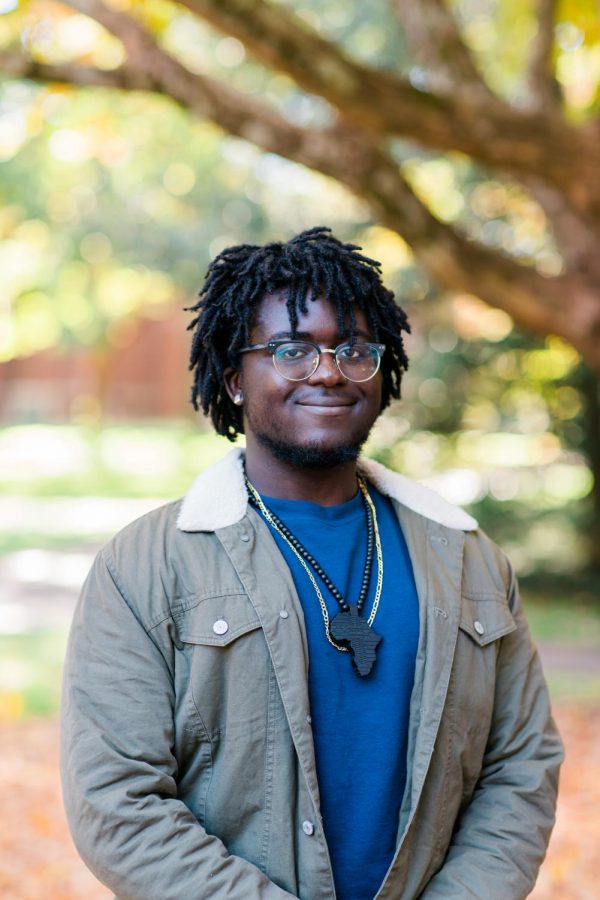
Vanderbilt Sophomore Wenitte Apiou
A new app is looking to change the way people think about and learn the many languages spoken on the African continent. Mandla, an innovative black-owned language learning app, gives learners a free option to explore African languages while also serving as a critical cultural preservation tool. The app is currently available for iOS and will launch for Android in 2022.
The Mandla app was conceived of by a group of students who are first-generation African immigrants hailing from Burkina Faso, Ghana, Nigeria, and Kenya. The founding team includes:
- Wenitte Apiou, studying electrical engineering and math at Vanderbilt University
- Delanyo Mensah, studying human and organizational development at Vanderbilt University
- Boluwaji (BJ) Odufuwa, studying computer science at Harvard University
- Emeka Ezike, studying computer science at Harvard University
- Kwesi Afrifa, studying computer science at MIT
Wanting to fill this gap, the group of students got to work creating their app that serves as an educational platform featuring the languages of Africa. They landed on the name Mandla, coming from the Zulu and Xhosa word Amandla, meaning power. The app’s goal is three-fold: to teach African languages, build an African language database to improve translation models, and preserve African culture. The app was recently launched with Yoruba, Igbo, Swahili, Zulu, Mooré, and Twi on board, with plans to continue to expand the platform with the eventual goals of having each of Africa’s major languages on it.
In just five minutes a day, Mandla users can improve their skills with the platform’s interactive lessons. Upon logging into the app, users can select which language they are interested in learning. They can also specify for what purposes they want to learn the language, including school, work, or everyday conversation, and whether they are new to the language or have some proficiency. The platform then tailors the lessons based on their inputs and the user’s progress through the app.
Apiou's family is from Burkina Faso. Growing up , he commonly spoke French and English at home, but he had a great desire to learn his family’s native tongues, such as Mooré and Kassem.
“I wanted to increase my ability in indigenous languages of my country. Even though French is my mother tongue, it is not my language. It is the colonizer’s language imposed on the society which I am from,” Apiou said. “I’ve noticed that a lot of people in a similar demographic to me have a similar desire to learn their parents’ mother tongue, but they just did not have the opportunity to learn it.”
Many immigrants and their families are often pressured to prioritize English upon arriving here. Overtime, newer generations lose aspects of their ancestors’ culture and are unable to learn their native tongues due to the lack of accurate educational resources.
“Many younger immigrants can understand their family’s native languages but are unable to respond back in that language. As these language skills fade, so does their connection to their country. Mandla seeks to change this, helping African immigrants and those interested in African languages strengthen their bonds with the African continent.”
@mbewane @phcitywarrior @frush11. @Amestafuu (Emeritus) @How Sway?
Last edited: