
You are using an out of date browser. It may not display this or other websites correctly.
You should upgrade or use an alternative browser.
You should upgrade or use an alternative browser.
Dr. Mutulu Shakur to be paroled and released from prison
- Thread starter Buddy
- Start date
More options
Who Replied? Hate that it's with cancer tho
Hannibal Fox
Eetwidomayloh


Elim Garak
Veteran
I just heard about this. I'm shocked they released him but he's dying sadly.

MajesticLion
Veteran
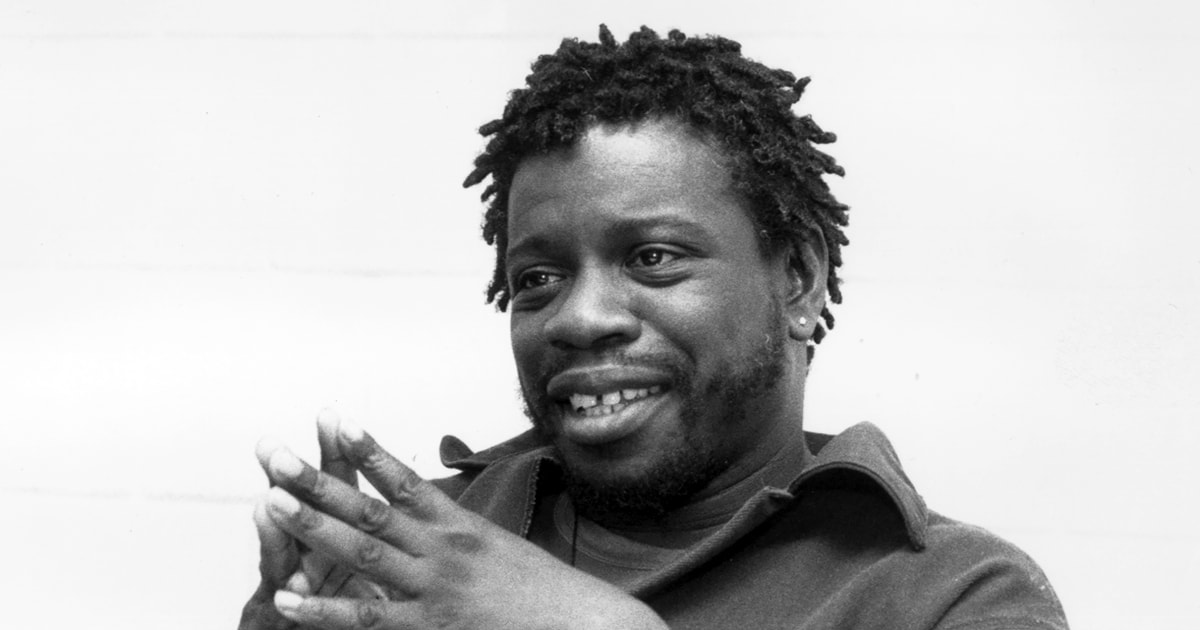
Tupac Shakur’s stepfather to be freed from prison after more than 35 years
Mutulu Shakur, who has an advanced form of cancer, will be released on parole in December so he can spend his final days with family and friends.
 www.nbcnews.com
...
"He was not exonerated. He was given medical parole, which means he could still be snatched back from us," Muhammad said. "His release doesn't end his cancer. We're preparing for him to come home, and we have to figure out transportation because his condition has deteriorated so much that he can't fly commercial. He's been able to make it longer than what the doctors have given him, but he still has cancer and he's still dying."
Over the summer, the U.S. attorney for Manhattan, Damian Williams, denied a motion for compassionate release, citing the severity of Shakur's crimes. The decision came as a blow to organizers who were hopeful the motion would be approved. Thomson said he was worried that Shakur would not live long enough to be released so he could “die in dignity” surrounded by his loved ones.
“I’m very concerned that he might die any day and he might die before we have the opportunity for him to be heard on these issues either before the judge or before the parole commission,” Thomson said then. "They’re keeping him further incarcerated just as a form of punishment; just to exert control and pain over him. That’s especially cruel considering how desperate of a medical situation he’s in.”
Shakur was serving a 60-year sentence for conspiracy to violate the Racketeer Influenced and Corrupt Organizations Act, or RICO Act, bank robbery, armed bank robbery and bank robbery murder. He was also convicted of helping JoAnne Chesimard, aka Assata Shakur, escape from a New Jersey prison in 1979, according to The Associated Press and Thomson.
But advocates like Muhammad have said the government targeted Shakur all those years ago to quell his activism, and believe that at the time of his arrest in 1986, Shakur was doing his own independent investigation of COINTELPRO, an FBI campaign to discredit radical groups including Black liberation movements that were deemed illegal.

Hannibal Fox
Eetwidomayloh

sighThat's a god damned shame that they only let him out so they could aviod paying for his treatments. That being said a day free is worth a lifetime locked up.
the systems is fukked
Mans should be like this to his PO while he enjoy his final days of peace on the outside world:


the artist known az
Hail the victors

Even being innocent, I would commit one final militant act if they did me like this
This is beyond fukked up.
This is beyond fukked up.
Justin Nitsuj
Superstar
As a black man in this country, I don't understand how some black people can be all in for a fukking crime bill knowing that the legal system heavily targets black people and make them do their whole youthful years in prison and only letting them free when it's their time to die.
I just can't understand it.
I just can't understand it.

staticshock
Veteran
As a black man in this country, I don't understand how some black people can be all in for a fukking crime bill knowing that the legal system heavily targets black people and make them do their whole youthful years in prison and only letting them free when it's their time to die.
I just can't understand it.
Get them daps breh

They are dumb and as a result, reactionary.As a black man in this country, I don't understand how some black people can be all in for a fukking crime bill knowing that the legal system heavily targets black people and make them do their whole youthful years in prison and only letting them free when it's their time to die.
I just can't understand it.
edit: To be entirely fair, although not the best approach, being reactionary when crime is at an all time high in your area, and you are actually feeling that number, you will want immediate solutions, of course, and as you noted, these immediate solutions come with some troubling results. But we can identify what is most likely to contribute to crime rates, but tackling it with that approach requires the humanism and sacrifice, as it won't be cheap.