tl;dr
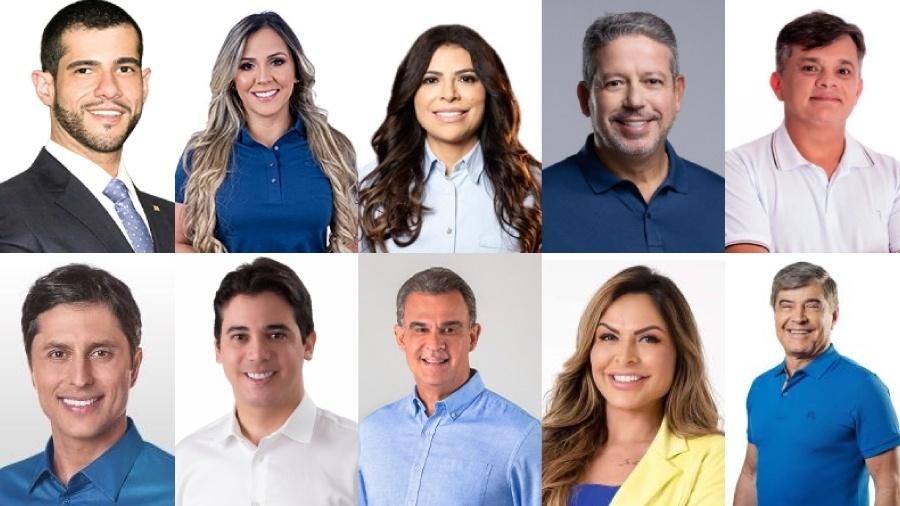
In the 2022 elections, Brazil elected 517 parliamentarians who declared themselves to be black, which represents 32.3% of the federal, state and senator deputies who will assume the mandates in 2023. Not all of these politicians, however, can be considered black in the eyes of the Brazilian society. At the request of UOL , a panel of racial heteroidentification — a method used to avoid fraud in racial quotas —, pointed out that only 263 of those elected are black. This represents 16.4% of new entrants to the Senate, House and state legislative assemblies.
This is the first election in which the parties were obliged, after a decision by the TSE (Superior Electoral Court), to allocate money from party and electoral funds proportionally to the campaigns of black candidates. The latter alone had BRL 4.9 billion, the largest amount since its creation in 2017 . In this sense, possible fraud in self-declaration can camouflage the lack of advancement in representation in politics — still far from mirroring the black share of the Brazilian population, 56.2% — as well as preventing the analysis of the effectiveness of affirmative action.
Conducted under the leadership of Marcilene Garcia de Souza, PhD in sociology from Unesp (Paulista State University), the analysis followed a 2018 ordinance from the former Ministry of Planning, Development and Management, which regulates the racial checking of black quota holders in federal public tenders . The procedure investigates people's black phenotypes, that is, the physical details by which they are perceived as black. For example: dark skin, coarse or curly hair, thick lips and nose.
Among the 303 elected men who see themselves as black, 52.1% were not identified as black by the committee. Among the 73 women in the group, the rate was 35.6%.
Sérgio Brito (PSD) is one of them. In this year’s and 2018 elections, he declared himself as pardo, but saw himself as white in 2014.
One of them is Dimas Gadelha (PT-RJ), who also changed his mind about his color/race. Two years ago, he registered with the TSE as white to run for mayor of São Gonçalo.
Among them is Duarte (PSB-MA). Four years ago, he identified as white. In 2020, he changed to brown, when he ran for mayor of São Luís
On paper, right-wing parties are the ones that most elected self-declared black federal deputies. Together, PL, Republicans, União Brasil and PP have 57% of those elected from this racial group. They are also the ones who had the racial identities of their elected representatives contested the most by the hetero-identification bank
Andreia Siqueira, who declared herself brown, emphasized to the report that "blacks and browns are different groups" and that "I would not commit the ignorance of self-declaring myself black". But that's what she did. The IBGE establishes five categories to designate color or race in Brazil: white, black, brown, yellow and indigenous. The black population is made up of blacks and browns.
Alexandre Leite (SP), changed his racial registration from white to brown between the 2018 elections and this year..."In this election I understood the importance of correcting it. It was not about interest in part of the value of the electoral fund corresponding to the quotas", he said.
The justification is similar to that of Andreia Siqueira, who, as the daughter of a black father and white mother, said it was inconsistent to declare herself as a white person. "That's why I ask: what criteria did the hetero-identification bank use to define where I fit? Phenotypes related to the hair (which has chemical procedures) or the nose (which does not fit as a white nose)?", he asked.
Phenotypic analysis using remote images is a common procedure in racial verification processes, although face-to-face analyzes guarantee greater confidence, explains Marcilene Garcia de Souza, who coordinated the panel at the request of UOL . In the online procedure, the specialists consulted images different from those present in the TSE when they detected alterations in the images, such as changing the background color or applying filters.
A race relations researcher with a focus on affirmative action for blacks, she has been working for 15 years on hetero-identification boards for civil service exams and public universities. In her doctorate, Marcilene created a method of heteroidentification, called Oju Oxé. The sociologist points out that miscegenation in Brazil is a reality. She adds, however, that the quota policy is not tied to descent, mainly because racial self-declaration confers some benefit.
"In the case of Brazil, the term 'Afro-descendant', in the sense of origin (first, second or third generation kinship) cannot be considered a fair criterion. It would negatively compromise racial quota policies aimed at the black population, because they would include white people descendants of black people who would claim to be of African descent, and not phenotypically black people. It is the people who make up the black population who are affected by anti-black racism in Brazil" Marcilene Garcia de Souza, doctor in sociology.
For political scientist and professor of sociology at Uerj (University of the State of Rio de Janeiro) Luiz Augusto Campos, there is no wrong self-declaration, since race is a social construction that depends both on how people recognize themselves and how they are seen socially . And this varies according to region, generation or historical moment.
Discrepancies in the self-declarations of those elected are not necessarily electoral fraud, he says. Even so, he adds, there may be people who seek to access resources intended for black candidacies.
"These incentives are very recent and indirect. I really think that a large part of this discrepancy is due to the carelessness with which party forms are filled out in the TREs. Often, it is not even the candidate who fills them out" Luiz Augusto Campos, political scientist and professor of sociology from Uerj
 noticias.uol.com.br
In the 2022 elections, Brazil elected 517 parliamentarians who declared themselves to be black, which represents 32.3% of the federal, state and senator deputies who will assume the mandates in 2023. Not all of these politicians, however, can be considered black in the eyes of the Brazilian society. At the request of UOL , a panel of racial heteroidentification — a method used to avoid fraud in racial quotas —, pointed out that only 263 of those elected are black. This represents 16.4% of new entrants to the Senate, House and state legislative assemblies.
This is the first election in which the parties were obliged, after a decision by the TSE (Superior Electoral Court), to allocate money from party and electoral funds proportionally to the campaigns of black candidates. The latter alone had BRL 4.9 billion, the largest amount since its creation in 2017 . In this sense, possible fraud in self-declaration can camouflage the lack of advancement in representation in politics — still far from mirroring the black share of the Brazilian population, 56.2% — as well as preventing the analysis of the effectiveness of affirmative action.
Conducted under the leadership of Marcilene Garcia de Souza, PhD in sociology from Unesp (Paulista State University), the analysis followed a 2018 ordinance from the former Ministry of Planning, Development and Management, which regulates the racial checking of black quota holders in federal public tenders . The procedure investigates people's black phenotypes, that is, the physical details by which they are perceived as black. For example: dark skin, coarse or curly hair, thick lips and nose.
Among the 303 elected men who see themselves as black, 52.1% were not identified as black by the committee. Among the 73 women in the group, the rate was 35.6%.
Sérgio Brito (PSD) is one of them. In this year’s and 2018 elections, he declared himself as pardo, but saw himself as white in 2014.
One of them is Dimas Gadelha (PT-RJ), who also changed his mind about his color/race. Two years ago, he registered with the TSE as white to run for mayor of São Gonçalo.
Among them is Duarte (PSB-MA). Four years ago, he identified as white. In 2020, he changed to brown, when he ran for mayor of São Luís
On paper, right-wing parties are the ones that most elected self-declared black federal deputies. Together, PL, Republicans, União Brasil and PP have 57% of those elected from this racial group. They are also the ones who had the racial identities of their elected representatives contested the most by the hetero-identification bank
Andreia Siqueira, who declared herself brown, emphasized to the report that "blacks and browns are different groups" and that "I would not commit the ignorance of self-declaring myself black". But that's what she did. The IBGE establishes five categories to designate color or race in Brazil: white, black, brown, yellow and indigenous. The black population is made up of blacks and browns.
Alexandre Leite (SP), changed his racial registration from white to brown between the 2018 elections and this year..."In this election I understood the importance of correcting it. It was not about interest in part of the value of the electoral fund corresponding to the quotas", he said.
The justification is similar to that of Andreia Siqueira, who, as the daughter of a black father and white mother, said it was inconsistent to declare herself as a white person. "That's why I ask: what criteria did the hetero-identification bank use to define where I fit? Phenotypes related to the hair (which has chemical procedures) or the nose (which does not fit as a white nose)?", he asked.
(siqueira with father)

Phenotypic analysis using remote images is a common procedure in racial verification processes, although face-to-face analyzes guarantee greater confidence, explains Marcilene Garcia de Souza, who coordinated the panel at the request of UOL . In the online procedure, the specialists consulted images different from those present in the TSE when they detected alterations in the images, such as changing the background color or applying filters.
A race relations researcher with a focus on affirmative action for blacks, she has been working for 15 years on hetero-identification boards for civil service exams and public universities. In her doctorate, Marcilene created a method of heteroidentification, called Oju Oxé. The sociologist points out that miscegenation in Brazil is a reality. She adds, however, that the quota policy is not tied to descent, mainly because racial self-declaration confers some benefit.
"In the case of Brazil, the term 'Afro-descendant', in the sense of origin (first, second or third generation kinship) cannot be considered a fair criterion. It would negatively compromise racial quota policies aimed at the black population, because they would include white people descendants of black people who would claim to be of African descent, and not phenotypically black people. It is the people who make up the black population who are affected by anti-black racism in Brazil" Marcilene Garcia de Souza, doctor in sociology.
For political scientist and professor of sociology at Uerj (University of the State of Rio de Janeiro) Luiz Augusto Campos, there is no wrong self-declaration, since race is a social construction that depends both on how people recognize themselves and how they are seen socially . And this varies according to region, generation or historical moment.
Discrepancies in the self-declarations of those elected are not necessarily electoral fraud, he says. Even so, he adds, there may be people who seek to access resources intended for black candidacies.
"These incentives are very recent and indirect. I really think that a large part of this discrepancy is due to the carelessness with which party forms are filled out in the TREs. Often, it is not even the candidate who fills them out" Luiz Augusto Campos, political scientist and professor of sociology from Uerj
Metade dos parlamentares eleitos que dizem ser negros são brancos
Nas eleições de 2022, o Brasil elegeu 517 parlamentares que se declararam negros, o que representa 32,3% dos deputados federais, estaduais e senadores que assumirão os mandatos em 2023. Nem todos esses políticos, porém, podem ser considerados negros ao
Last edited:


 what kind of twilight zone shyt is this???