
DaRealness
I think very deeply
Strive Masiyiwa is one of Africa’s most respected business leaders. Many people know him as the man who helped bring mobile phones to millions of Africans through his company Econet.
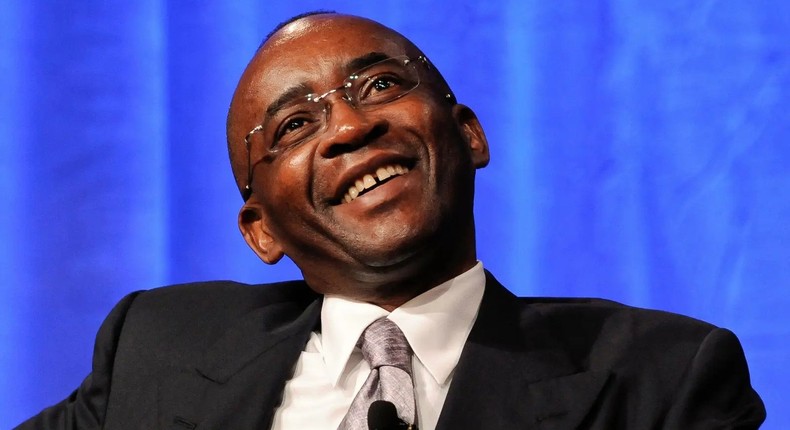
Zimbabwean billionaire Strive Masiyiwa is leading a new push to build AI infrastructure across Africa
In recent years, he has stayed out of the public eye, but he has been quietly working on something much bigger. He is building a group of digital infrastructure companies that could play an important role in Africa’s technology future.
This work is happening through his company Cassava Technologies. Cassava brings together several of his businesses that are focused on building and running the systems that make the internet work.
These include fibre optic cables, data centres, and cloud computing services. Together, they are forming one of the strongest digital backbones in Africa.
Through Liquid Intelligent Technologies, Cassava operates more than 100,000 kilometres of fibre optic cables that run through over a dozen African countries.
A technician arranges fibre-optic cables used to expand high-speed internet infrastructure in Africa. REUTERS/Daniel Munoz
These cables carry internet traffic between cities and countries every day. They connect millions of people, businesses, and public services. Having such a large network gives Cassava a strong base to support other digital services.
Another part of Cassava is Africa Data Centres, which runs some of the biggest data storage and processing facilities on the continent.
These data centres store and manage information for banks, companies, hospitals, schools, and government agencies. They are open to different internet providers and cloud service companies, which makes them useful to many organisations.
Data centers are facilities that can provide the computing power often needed for AI operations.Alberto Ortega/Getty Images
Cassava also runs cloud computing services through companies like Liquid C2 and Cloudmania. These provide secure digital tools and platforms that allow African businesses and public institutions to run their services locally without depending only on foreign providers.
This infrastructure has taken many years to build. It gives Masiyiwa something that is rare in Africa. He controls not just one part of the digital system, but several layers of it.
This puts him in a strong position as Africa begins to enter the era of artificial intelligence. He is now using this base to build what he calls AI factories across the continent.
Recently, Masiyiwa announced plans to build five AI factories in South Africa, Nigeria, Kenya, Egypt, and Morocco.
These will be special data centres designed to handle the massive computing power that artificial intelligence needs. The total investment is about 720 million US dollars.
Zimbabwean billionaire Strive Masiyiwa is leading a new push to build AI infrastructure across Africa
- Strive Masiyiwa is a prominent African entrepreneur known for pioneering mobile telecommunications and challenging state-owned monopolies.
- He is currently focusing on developing digital infrastructure in Africa through his company Cassava Technologies.
- Masiyiwa plans to establish AI factories in five countries, specialized for artificial intelligence workloads.
- This initiative aims to empower local AI development, enhance data security, and position Africa as a leader in digital innovation.
Recommended articles
leaders Uganda’s Museveni wins seventh term, extending four-decade rule
leaders Another Nigerian industrialist puts two black men in Africa’s top five richest people
leaders In 1986, Museveni said Africa’s problem was leaders who overstayed. Now he seeks a seventh term after four decades in power
In recent years, he has stayed out of the public eye, but he has been quietly working on something much bigger. He is building a group of digital infrastructure companies that could play an important role in Africa’s technology future.
This work is happening through his company Cassava Technologies. Cassava brings together several of his businesses that are focused on building and running the systems that make the internet work.
These include fibre optic cables, data centres, and cloud computing services. Together, they are forming one of the strongest digital backbones in Africa.
Through Liquid Intelligent Technologies, Cassava operates more than 100,000 kilometres of fibre optic cables that run through over a dozen African countries.
A technician arranges fibre-optic cables used to expand high-speed internet infrastructure in Africa. REUTERS/Daniel Munoz
These cables carry internet traffic between cities and countries every day. They connect millions of people, businesses, and public services. Having such a large network gives Cassava a strong base to support other digital services.
Another part of Cassava is Africa Data Centres, which runs some of the biggest data storage and processing facilities on the continent.
These data centres store and manage information for banks, companies, hospitals, schools, and government agencies. They are open to different internet providers and cloud service companies, which makes them useful to many organisations.
Data centers are facilities that can provide the computing power often needed for AI operations.Alberto Ortega/Getty Images
Cassava also runs cloud computing services through companies like Liquid C2 and Cloudmania. These provide secure digital tools and platforms that allow African businesses and public institutions to run their services locally without depending only on foreign providers.
This infrastructure has taken many years to build. It gives Masiyiwa something that is rare in Africa. He controls not just one part of the digital system, but several layers of it.
This puts him in a strong position as Africa begins to enter the era of artificial intelligence. He is now using this base to build what he calls AI factories across the continent.
Recently, Masiyiwa announced plans to build five AI factories in South Africa, Nigeria, Kenya, Egypt, and Morocco.
These will be special data centres designed to handle the massive computing power that artificial intelligence needs. The total investment is about 720 million US dollars.

