
How War Lost Its Politics
Mary L. Dudziak Summer 2016
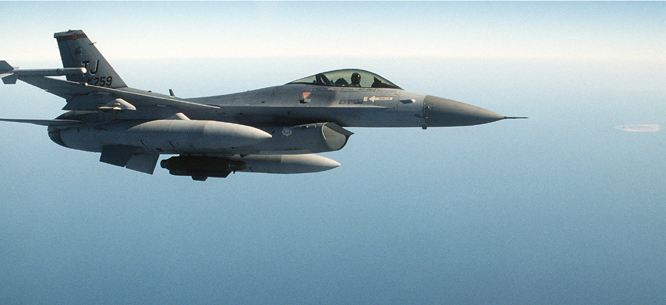
In the Gulf War (1990–91), the United States introduced new guided missiles, which made war seem cleaner and more precise (Airman Magazine)
As the Obama administration announced plans to step up its military campaign against ISIS this spring, a twenty-eight-year-old army officer, Captain Nathan Michael Smith, took President Barack Obama to court. He argued that the war against ISIS is illegal because Congress has not authorized it. Smith’s action highlights persistent problems with the legal basis for the military campaign, and has generated interest and support from leading legal scholars. And so President Obama, a law professor turned president who pledged to bring in the rule of law to restrain presidents’ use of force, finds himself the target of a lawsuit arguing that his own military initiative is unlawful.
Captain Smith is stationed in Kuwait, as part of the American military effort to defeat ISIS in Iraq and Syria. His claimed injury is that fighting an illegal war requires him to violate his oath to “preserve, protect, and defend the Constitution of the United States.” His lawsuit challenges the fractured logic of the legal basis for the military campaign, including the idea that the Authorization for the Use of Military Force against those who perpetrated the September 11, 2001, terrorist attacks and their supporters somehow extends to an organization that did not exist at the time.
But something more fundamental underlies this dispute. The reason the president has been unable to get Congress to pass a new war authorization isn’t because Congress opposes military action against ISIS, and it isn’t a simple matter of partisan stalemate. It is because there is no real political constituency for military matters. Faraway conflicts upend lives on the battlefield. As long as someone else’s family does the fighting, U.S. military operations have little impact on Americans at home. Most Americans are protected from the costs of armed conflict. There is no required military service since Congress eliminated the draft in 1973. Other changes in the way the country wages war—relying on contractors to reduce the number of troops, and on technologies that make war appear more precise and less destructive—contribute to a buffer between American civilians and the wars their country is fighting. Without voters paying attention, neither the president nor Congress is held accountable.
Election years used to be occasions for pitched battles over whether to go to war. One hundred years ago, for example, as war raged in Europe, and American troops were engaged in skirmishes in Mexico, the question of when and where the United States should use military force was an important election issue.
No one had a larger role in making war an issue in the 1916 election than a former president: Theodore Roosevelt. Not himself a candidate that year, Roosevelt was a forceful surrogate for Republican nominee Charles Evans Hughes. Ever since the British ocean liner Lusitania had been sunk by a German submarine on May 7, 1915, killing over a thousand, including 128 Americans, Roosevelt had excoriated President Woodrow Wilson for failing to respond militarily to defend American rights and honor.
Four days before the election, Roosevelt did his best to bring the Lusitania dead back to life in a harshly partisan address at Cooper Union in New York. Wilson had promised to hold Germany to “strict accountability,” he told his audience, yet Americans continued to die from submarine warfare. “Hundreds of American men, women and children have been murdered on the high seas” and in conflict with Mexico, Roosevelt noted. Yet Wilson had abandoned the dead, had “let them suffer without relief, and without inflicting punishment upon the wrongdoers.” Wilson should be haunted by “the shadows of men, women and children who have risen from the ooze of the ocean bottom and from the graves in foreign lands; the shadows of the helpless whom Mr. Wilson did not dare protect lest he might have to face danger; the shadows of babies gasping pitifully as they sank under the waves.”
Roosevelt’s bitter attack did not place war on the agenda of the campaign, however. The Democratic Party embraced the slogan “He kept us out of war” in support of Wilson. Roosevelt’s flamboyant belligerency enabled Wilson to run against Hughes by running against Roosevelt. The weekend before the election, a full-page ad appeared in leading newspapers that asked: “Wilson and Peace with Honor? Or Hughes with Roosevelt and War?”
The harsh campaign rhetoric was effective in one respect: it signaled to voters that the election would shape American war policy. Hughes, the losing candidate, blamed the outcome on the impact of antiwar campaigning on voters in the West and Midwest. Wilson’s election ultimately would not keep the United States out of the First World War, of course, but it gave the decision to go to war a higher threshold—a threshold that was ultimately met both for Wilson and many Americans after German submarines started sinking American ships without warning in early 1917.
In the aftermath of American engagement in a large-scale war on another continent, pacifists sought to make it more difficult for the country to become embroiled in distant conflicts. They proposed a constitutional amendment to require a public referendum before the country entered another foreign war. In 1935, 75 percent of respondents to a Gallup Poll favored its enactment. It failed in the House of Representatives by only a handful of votes. That was as far as the War Referendum amendment would go, but deep public sentiment against another faraway war led Congress to strengthen neutrality laws.
Building upon the sentiment against military engagement, Franklin Delano Roosevelt, campaigning for reelection in 1936, said: “We are not isolationists except in so far as we seek to isolate ourselves completely from war.” Pressing issues at home mattered most in that election year, but Roosevelt also reassured the public that he would avoid foreign entanglements. FDR would not be a reluctant warrior, like Wilson, however. Instead, as the Second World War broke out, he calibrated American engagement with an eye toward what the political climate would bear.
Americans don’t tend to think of politics as being relevant to U.S. entry into the Second World War, since the United States declared war after the Japanese attack on Pearl Harbor. But the U.S. government chose sides and supported the Allies long before that attack. In September 1940, for example, Roosevelt signed a “destroyers for bases” deal with Great Britain, which transferred destroyers to England in exchange for lengthy leases of British bases. He did not seek congressional approval, but based his actions on an expansive reading of the president’s powers as commander in chief. By late spring of 1940, with Germany occupying Belgium, France, Luxembourg, and the Netherlands, war was firmly on the agenda of that year’s presidential campaign. Republican candidate Wendell Willkie gained traction by claiming that Roosevelt would take the country to war and had a secret plan for this with foreign powers. Roosevelt responded with a pledge he would later regret, telling voters: “Your boys are not going to be sent into any foreign wars.”
During both world wars, supporters of military engagement believed that their president could not send American troops to war without public support. Woodrow Wilson’s Secretary of State, Robert Lansing, who favored U.S. entry into the First World War, wrote in late January 1917:
Mary L. Dudziak Summer 2016
In the Gulf War (1990–91), the United States introduced new guided missiles, which made war seem cleaner and more precise (Airman Magazine)
As the Obama administration announced plans to step up its military campaign against ISIS this spring, a twenty-eight-year-old army officer, Captain Nathan Michael Smith, took President Barack Obama to court. He argued that the war against ISIS is illegal because Congress has not authorized it. Smith’s action highlights persistent problems with the legal basis for the military campaign, and has generated interest and support from leading legal scholars. And so President Obama, a law professor turned president who pledged to bring in the rule of law to restrain presidents’ use of force, finds himself the target of a lawsuit arguing that his own military initiative is unlawful.
Captain Smith is stationed in Kuwait, as part of the American military effort to defeat ISIS in Iraq and Syria. His claimed injury is that fighting an illegal war requires him to violate his oath to “preserve, protect, and defend the Constitution of the United States.” His lawsuit challenges the fractured logic of the legal basis for the military campaign, including the idea that the Authorization for the Use of Military Force against those who perpetrated the September 11, 2001, terrorist attacks and their supporters somehow extends to an organization that did not exist at the time.
But something more fundamental underlies this dispute. The reason the president has been unable to get Congress to pass a new war authorization isn’t because Congress opposes military action against ISIS, and it isn’t a simple matter of partisan stalemate. It is because there is no real political constituency for military matters. Faraway conflicts upend lives on the battlefield. As long as someone else’s family does the fighting, U.S. military operations have little impact on Americans at home. Most Americans are protected from the costs of armed conflict. There is no required military service since Congress eliminated the draft in 1973. Other changes in the way the country wages war—relying on contractors to reduce the number of troops, and on technologies that make war appear more precise and less destructive—contribute to a buffer between American civilians and the wars their country is fighting. Without voters paying attention, neither the president nor Congress is held accountable.
Election years used to be occasions for pitched battles over whether to go to war. One hundred years ago, for example, as war raged in Europe, and American troops were engaged in skirmishes in Mexico, the question of when and where the United States should use military force was an important election issue.
No one had a larger role in making war an issue in the 1916 election than a former president: Theodore Roosevelt. Not himself a candidate that year, Roosevelt was a forceful surrogate for Republican nominee Charles Evans Hughes. Ever since the British ocean liner Lusitania had been sunk by a German submarine on May 7, 1915, killing over a thousand, including 128 Americans, Roosevelt had excoriated President Woodrow Wilson for failing to respond militarily to defend American rights and honor.
Four days before the election, Roosevelt did his best to bring the Lusitania dead back to life in a harshly partisan address at Cooper Union in New York. Wilson had promised to hold Germany to “strict accountability,” he told his audience, yet Americans continued to die from submarine warfare. “Hundreds of American men, women and children have been murdered on the high seas” and in conflict with Mexico, Roosevelt noted. Yet Wilson had abandoned the dead, had “let them suffer without relief, and without inflicting punishment upon the wrongdoers.” Wilson should be haunted by “the shadows of men, women and children who have risen from the ooze of the ocean bottom and from the graves in foreign lands; the shadows of the helpless whom Mr. Wilson did not dare protect lest he might have to face danger; the shadows of babies gasping pitifully as they sank under the waves.”
Roosevelt’s bitter attack did not place war on the agenda of the campaign, however. The Democratic Party embraced the slogan “He kept us out of war” in support of Wilson. Roosevelt’s flamboyant belligerency enabled Wilson to run against Hughes by running against Roosevelt. The weekend before the election, a full-page ad appeared in leading newspapers that asked: “Wilson and Peace with Honor? Or Hughes with Roosevelt and War?”
The harsh campaign rhetoric was effective in one respect: it signaled to voters that the election would shape American war policy. Hughes, the losing candidate, blamed the outcome on the impact of antiwar campaigning on voters in the West and Midwest. Wilson’s election ultimately would not keep the United States out of the First World War, of course, but it gave the decision to go to war a higher threshold—a threshold that was ultimately met both for Wilson and many Americans after German submarines started sinking American ships without warning in early 1917.
In the aftermath of American engagement in a large-scale war on another continent, pacifists sought to make it more difficult for the country to become embroiled in distant conflicts. They proposed a constitutional amendment to require a public referendum before the country entered another foreign war. In 1935, 75 percent of respondents to a Gallup Poll favored its enactment. It failed in the House of Representatives by only a handful of votes. That was as far as the War Referendum amendment would go, but deep public sentiment against another faraway war led Congress to strengthen neutrality laws.
Building upon the sentiment against military engagement, Franklin Delano Roosevelt, campaigning for reelection in 1936, said: “We are not isolationists except in so far as we seek to isolate ourselves completely from war.” Pressing issues at home mattered most in that election year, but Roosevelt also reassured the public that he would avoid foreign entanglements. FDR would not be a reluctant warrior, like Wilson, however. Instead, as the Second World War broke out, he calibrated American engagement with an eye toward what the political climate would bear.
Americans don’t tend to think of politics as being relevant to U.S. entry into the Second World War, since the United States declared war after the Japanese attack on Pearl Harbor. But the U.S. government chose sides and supported the Allies long before that attack. In September 1940, for example, Roosevelt signed a “destroyers for bases” deal with Great Britain, which transferred destroyers to England in exchange for lengthy leases of British bases. He did not seek congressional approval, but based his actions on an expansive reading of the president’s powers as commander in chief. By late spring of 1940, with Germany occupying Belgium, France, Luxembourg, and the Netherlands, war was firmly on the agenda of that year’s presidential campaign. Republican candidate Wendell Willkie gained traction by claiming that Roosevelt would take the country to war and had a secret plan for this with foreign powers. Roosevelt responded with a pledge he would later regret, telling voters: “Your boys are not going to be sent into any foreign wars.”
During both world wars, supporters of military engagement believed that their president could not send American troops to war without public support. Woodrow Wilson’s Secretary of State, Robert Lansing, who favored U.S. entry into the First World War, wrote in late January 1917: