Amo Husserl
Superstar
Ye is a GOAT grift candidate.
Giving passport bros legitimacy.
Ghana about to be flooded with hype beast tourists.
Africa was logical after the recent antics.
Can't wait to see his kids and Kim by osmosis in Kente couture.
Globalization ain't nothin' without soft power assets.
Ye's fashion venture made him global and connected him with global entities.
Keep tellin' y'all that man a cult. Peak fukkery era ain't disappointing.

@Voice of Reason
A page from the playbook.

@Voice of Reason @The Velvet Soul @the kid @HarlemHottie
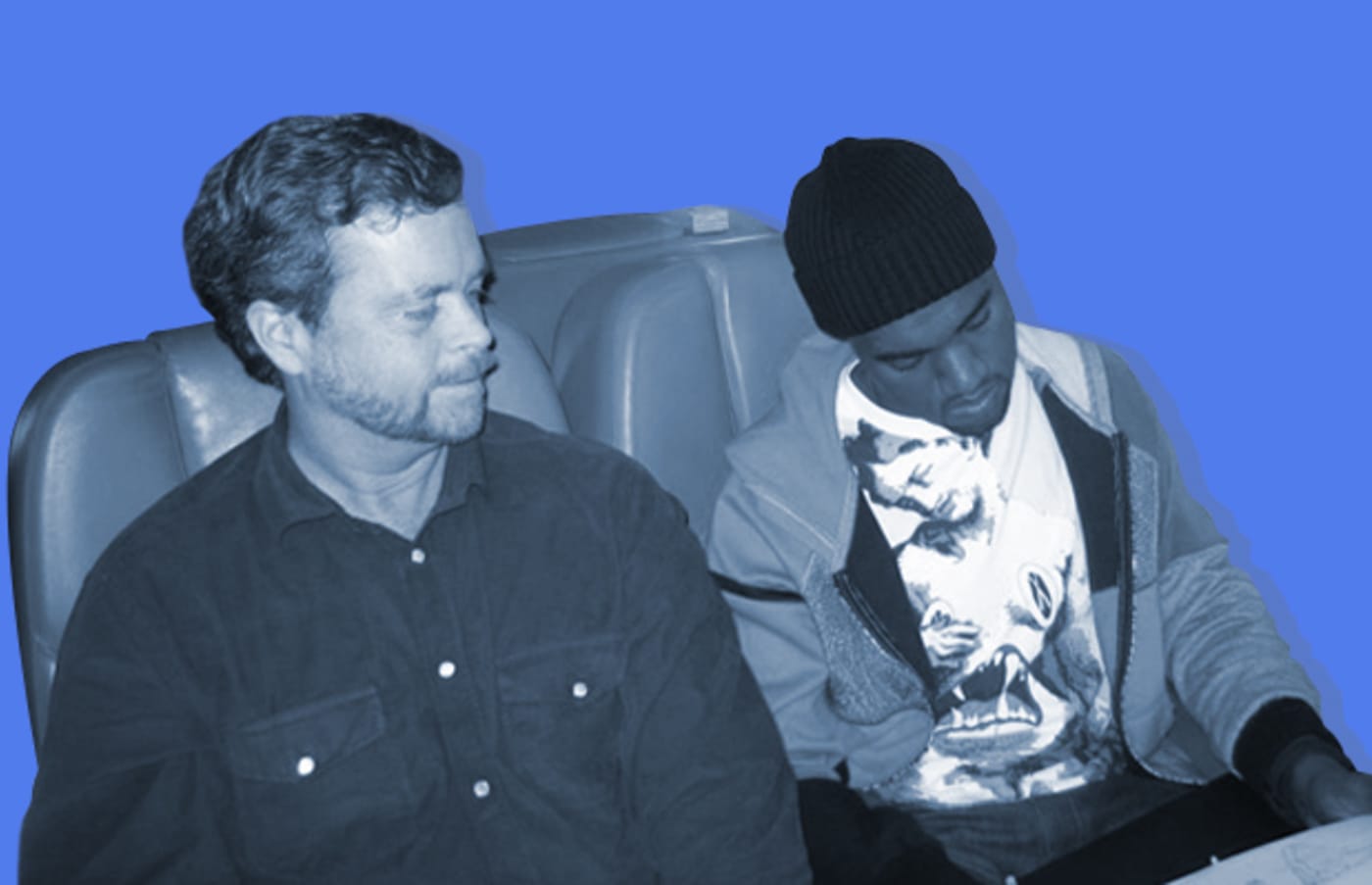
Mark Parker, executive chairman of Nike? Africa?

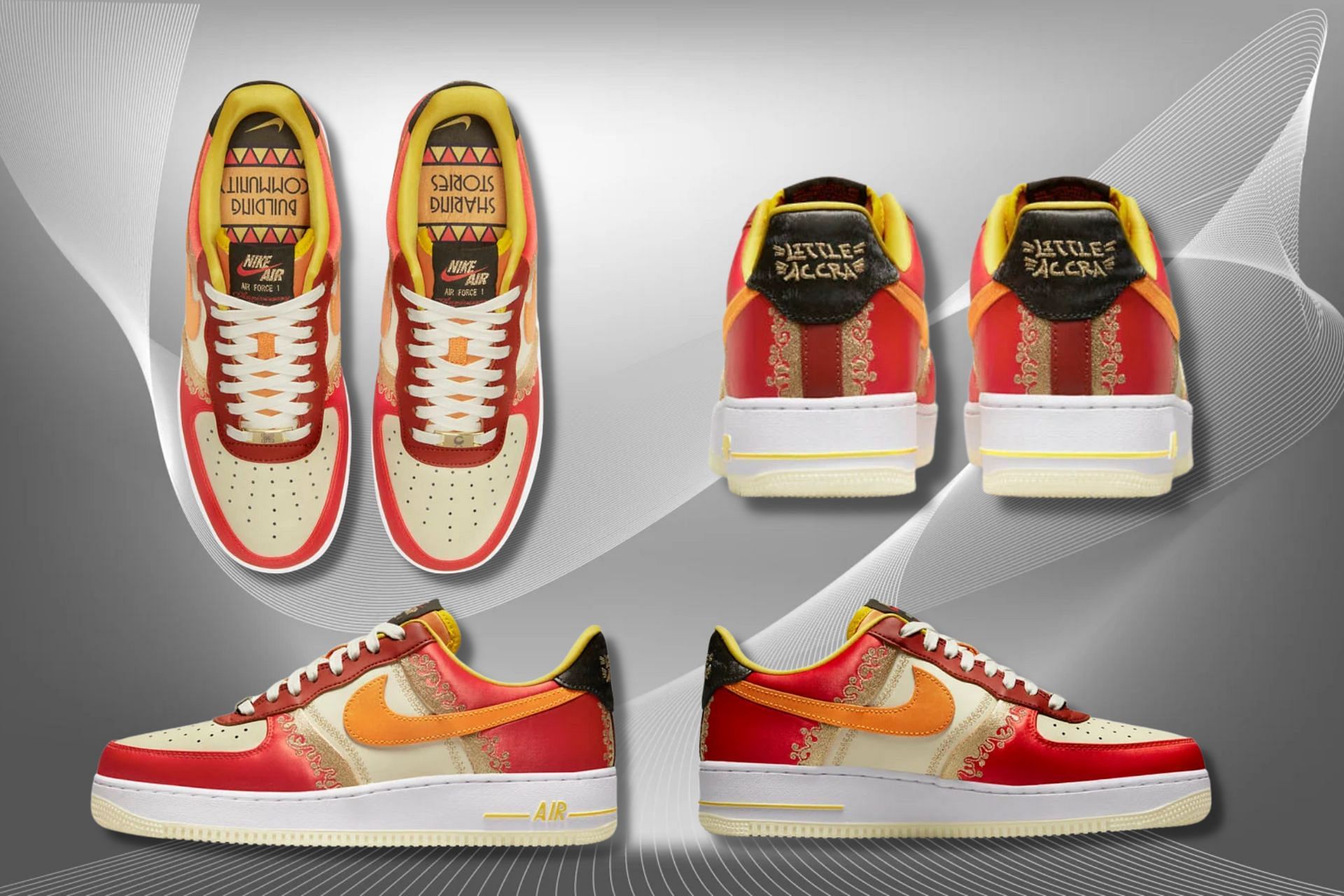
Nike Is Celebrating Ghana With Its Latest Air Force 1 Collaboration
If you travel in the Bronx near 167th Street, you know that it’s an area locals call Little Accra. With more than 20,000 Ghanaian-Americans, The Bronx’s Little Accra is reportedly the largest enclave of the Ghanaian diaspora.
Nike is paying homage to the thousands of Ghanaian immigrants residing in the Bronx and teamed up with co-founder Abdul Karim Abdullah, to bring the warmth and community of Little Accra into fashion with its AF1.
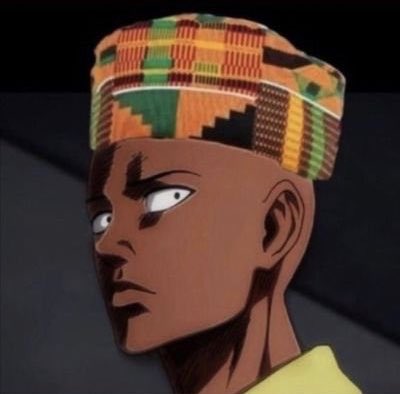
The History and Significance of Kente Cloth in the Black Diaspora
Kente appeared on the radar of most African-Americans in 1958 when Kwame Nkrumah, the first prime minister of independent Ghana, wore the cloth to meet with President Eisenhower at the White House. Coinciding with the Civil Rights and African Decolonization Movements, Black Americans associated Kente cloth with Black politics and the dignity of the African heritage. By the early 1970s, the predominant garment featuring Kente in the United States was the dashiki, a long tunic-type shirt that grew increasingly popular and commodified by the fashion industry. Kente’s appeal within Black Power waned, with Fred Hampton and other Panthers leaders deriding those who wore them. Nevertheless, Kente cloth and dashikis remained staples of urban Black life and received a new layer of significance when adopted by the Hip Hop community in the 1980s.


Last edited: