New York State Is Set to Raise Taxes on Those Earning Over $1 Million
Under the new rates, New York City’s millionaires would pay the highest combined local tax rate in the nation. Gov. Andrew Cuomo had opposed the increase in past years.
Image
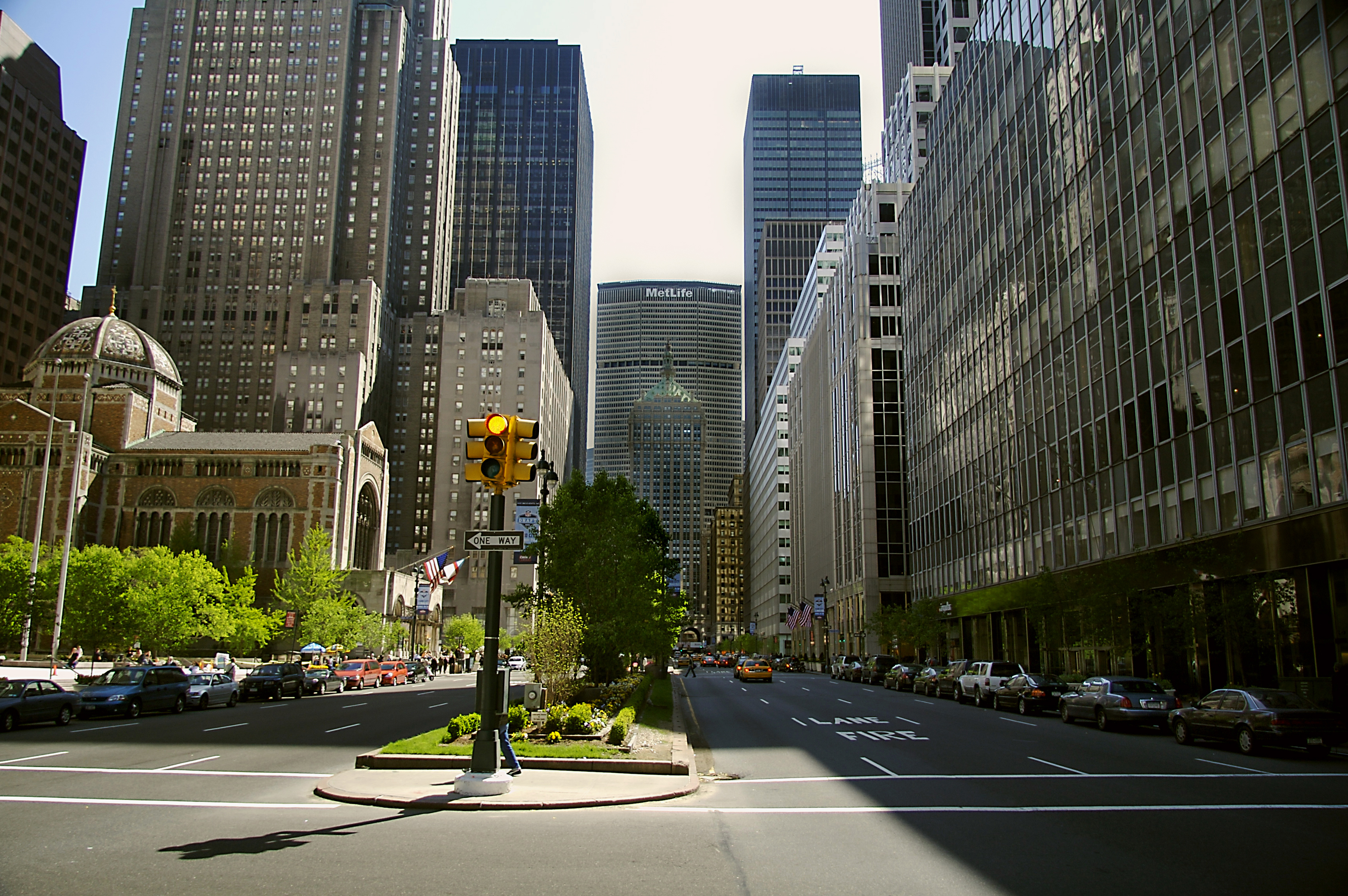
New York’s economic downturn has led state leaders to agree to new taxes on the wealthy.Credit...Jonah Markowitz for The New York Times


By Luis Ferré-Sadurní and Jesse McKinley
April 5, 2021, 1:49 p.m. ET
Gov. Andrew M. Cuomo and New York State legislative leaders were nearing a budget agreement on Monday that would make New York City’s millionaires pay the highest combined local tax rate in the nation, a stark result of the pandemic’s economic fallout.
For years, Mr. Cuomo resisted such a move, arguing that raising taxes, especially on the wealthy, would drive business out of state. But the coronavirus-related revenue shortfalls — combined with the growing strength of the Legislature’s progressive wing and the governor’s waning influence — created sudden momentum.
If enacted, the deal would raise income and corporate taxes to generate an extra $4.3 billion a year and would potentially legalize mobile sports betting to raise an additional $500 million in new tax revenue.
Two new personal income tax brackets would be temporarily created: 10.3 percent for income between $5 million and $25 million, and 10.9 percent for income over $25 million, according to preliminary details obtained by The New York Times. The new rates would expire by the end of 2027.
The personal income tax rate would increase to 9.65 percent from 8.82 percent for individuals making over $1 million and joint filers making more than $2 million.
States and cities across the country have seen their budgets battered by an economic downturn associated with the pandemic, and Congress recently passed $350 billion in state and local aid to help ease the shortfalls.
In Washington, Democrats are contending with how to pay for an ambitious $2 trillion package of spending on infrastructure projects, with President Biden considering a substantial increase in corporate taxes.
If the higher tax rate is approved in New York, the city’s highest earners could pay between 13.5 percent to 14.8 percent in state and city taxes, when combined with New York City’s top income tax rate of 3.88 percent — more than the top marginal income tax rate of 13.3 percent in California, currently the highest in the nation.
Raising taxes on the rich in New York has been a top policy priority of the Democratic Party’s left flank, but Mr. Cuomo, a third-term Democrat who is a fiscal centrist, had long opposed the move. Now, the governor’s influence over the budget — as well as other matters in Albany — may be weakening amid various investigations into sexual harassment allegations and his handling of virus-related deaths involving the state’s nursing homes.
Mr. Cuomo was in the awkward position of negotiating with Democratic leaders whose full support he has lost: Andrew Stewart-Cousins, the majority leader in the State Senate, has called on him to resign, while Carle E. Heastie, the speaker of the Assembly, has opened an impeachment investigation into the governor.
Democrats, who control the Legislature, entered this year’s negotiations emboldened by the governor’s loss of power, eager to leverage the worst political crisis of Mr. Cuomo’s decade-long tenure to pass a bevy of progressive priorities. Democrats also have veto-proof supermajorities in both houses, increasing their clout.
Nothing in Albany is ever final until the bills are printed, passed and signed, with last-minute lobbying efforts and political jockeying always threatening to create snags that could unravel, or stall, a deal. Still, Democratic lawmakers appeared on track to achieve many of their objectives.
The budget deal could pave the way for a casino in New York City, an idea long floated as a possible boon for the state’s tax revenues. Developers have salivated at the potential market in a city of nine million which once drew more than 50 million visitors a year. Language being circulated among lawmakers would allow the state to issue three full-scale casino licenses, almost certainly to be granted in the city and the suburbs, accelerating an expansion that had been scheduled to begin in 2023.
Other aspects of the budget, which was due on April 1, are still being negotiated, and could provide significant relief for New Yorkers still struggling from the fallout of the coronavirus pandemic, from assistance for small businesses to money for tenants late on rent and cash payments for undocumented immigrants who did not qualify for federal stimulus checks.
Indeed, this year’s budget negotiations — like last year’s — were overshadowed by the pandemic, with many lawmakers working from home and most of the deals being formulated via video meetings even as the state reckoned with financial challenges related to the pandemic.
Even so, there appeared to be an agreement to vastly increase education spending and implement a recovery grant program for small businesses that suffered losses during the pandemic. Much of the increase in spending would be paid for by increasing taxes on the rich.
The corporate franchise tax rate would also increase to 7.25 percent from 6.5 percent, but it is supposed to remain unchanged for small businesses. The proposed tax rate increases were reported in The Wall Street Journal.
For months, a statewide coalition of activists pushed for a slew of new taxes on the superrich, a top priority for the ascendant progressive wing in Albany. The activists pushed back against migration fears and framed higher taxes as essential to help support needy New Yorkers, especially after the pandemic.
“Thanks to thousands of New Yorkers who took to the streets and the ballot box, tireless advocates and grass roots organizers, and the new Democratic legislative power in Albany, we are beginning to transform New York from a state that protects the wealthy to a state that delivers for the many,” said Rebecca Bailin, campaign manager for the Invest In Our New York Coalition, which includes unions, the Working Families Party and the Democratic Socialists of America.
Democrats in the Legislature had initially looked to raise more than $7 billion in new revenue, mostly through even higher tax increases on the rich, but the urgency to raise taxes diminished after Congress approved a stimulus package that gave the state $12.6 billion in direct aid. It was a huge one-time windfall supposed to help cover most of the $15 billion budget gap over the next two years, bailing out the state after the pandemic decimated tax revenues.
The business community has warned that raising income taxes could prompt millionaires who have left the state during the pandemic and are working remotely to make their move permanent, damaging the state’s tax base. Currently, the top 2 percent of the state’s highest earners pay about half of the state’s income taxes.
Andrew Rein, the president of the Citizens Budget Commission, a fiscal watchdog, said the state had $22 billion more available over the next two years than officials anticipated in January and called the proposed tax increases “unnecessary and economically risky” at a time when the economic recovery is fragile.
“Unfortunately, the state’s leaders chose not to leverage the opportunity provided by strengthening tax revenues and massive federal aid to stabilize New York’s fiscal picture and maintain its economic competitiveness,” Mr. Rein said.
Still being discussed is a $2.1 billion “excluded workers fund” for New Yorkers who did not qualify to receive federal stimulus checks and unemployment benefits during the pandemic for certain reasons, such as their immigration status. The fund would provide retroactive cash payments to those people, primarily undocumented workers who lost their jobs and people recently released from prisons.
Image
State lawmakers are still discussing the creation of an excluded workers fund for New Yorkers who do not qualify for federal stimulus checks and other benefits. Credit...Spencer Platt/Getty Images
Lawmakers have agreed on an extensive rent relief program to help vulnerable tenants who owe rent, an effort meant to aid not only renters who experienced financial hardship because of the pandemic and are at risk of eviction, but struggling landlords, too.
The program would help certain renters cover up to 12 months of money owed on rent and utilities, as well as three months of future rent. Tenants would be eligible, regardless of immigration status, if they meet certain benchmarks of financial hardship, such as being eligible for unemployment, or if they are considered low-income. Priority would also be given to veterans, domestic violence victims, small landlords and people facing eviction proceedings.
Much of the program will be funded by $2.3 billion in aid from the federal government, but the distribution of that relief largely depends on how the state sets up the program. Democratic lawmakers and tenant groups were particularly concerned that many tenants could be shut out if the application process was too complex or proving eligibility was too onerous.
Indeed, the state’s last rent relief program rejected many tenants and only distributed half of its $100 million allotment, largely because of confusing and strict requirements. Between 800,000 and 1.2 million households across the state are thought to be late on rent.
Luis Ferré-Sadurní covers New York State politics in Albany. He joined The Times in 2017 and previously wrote about housing for the Metro desk. He is originally from San Juan, Puerto Rico. @luisferre
Jesse McKinley is the Albany bureau chief. He was previously the San Francisco bureau chief, and a theater columnist and Broadway reporter for the Culture desk. @jessemckinley
Under the new rates, New York City’s millionaires would pay the highest combined local tax rate in the nation. Gov. Andrew Cuomo had opposed the increase in past years.
Image
New York’s economic downturn has led state leaders to agree to new taxes on the wealthy.Credit...Jonah Markowitz for The New York Times
By Luis Ferré-Sadurní and Jesse McKinley
April 5, 2021, 1:49 p.m. ET
Gov. Andrew M. Cuomo and New York State legislative leaders were nearing a budget agreement on Monday that would make New York City’s millionaires pay the highest combined local tax rate in the nation, a stark result of the pandemic’s economic fallout.
For years, Mr. Cuomo resisted such a move, arguing that raising taxes, especially on the wealthy, would drive business out of state. But the coronavirus-related revenue shortfalls — combined with the growing strength of the Legislature’s progressive wing and the governor’s waning influence — created sudden momentum.
If enacted, the deal would raise income and corporate taxes to generate an extra $4.3 billion a year and would potentially legalize mobile sports betting to raise an additional $500 million in new tax revenue.
Two new personal income tax brackets would be temporarily created: 10.3 percent for income between $5 million and $25 million, and 10.9 percent for income over $25 million, according to preliminary details obtained by The New York Times. The new rates would expire by the end of 2027.
The personal income tax rate would increase to 9.65 percent from 8.82 percent for individuals making over $1 million and joint filers making more than $2 million.
States and cities across the country have seen their budgets battered by an economic downturn associated with the pandemic, and Congress recently passed $350 billion in state and local aid to help ease the shortfalls.
In Washington, Democrats are contending with how to pay for an ambitious $2 trillion package of spending on infrastructure projects, with President Biden considering a substantial increase in corporate taxes.
If the higher tax rate is approved in New York, the city’s highest earners could pay between 13.5 percent to 14.8 percent in state and city taxes, when combined with New York City’s top income tax rate of 3.88 percent — more than the top marginal income tax rate of 13.3 percent in California, currently the highest in the nation.
Raising taxes on the rich in New York has been a top policy priority of the Democratic Party’s left flank, but Mr. Cuomo, a third-term Democrat who is a fiscal centrist, had long opposed the move. Now, the governor’s influence over the budget — as well as other matters in Albany — may be weakening amid various investigations into sexual harassment allegations and his handling of virus-related deaths involving the state’s nursing homes.
Mr. Cuomo was in the awkward position of negotiating with Democratic leaders whose full support he has lost: Andrew Stewart-Cousins, the majority leader in the State Senate, has called on him to resign, while Carle E. Heastie, the speaker of the Assembly, has opened an impeachment investigation into the governor.
Democrats, who control the Legislature, entered this year’s negotiations emboldened by the governor’s loss of power, eager to leverage the worst political crisis of Mr. Cuomo’s decade-long tenure to pass a bevy of progressive priorities. Democrats also have veto-proof supermajorities in both houses, increasing their clout.
Nothing in Albany is ever final until the bills are printed, passed and signed, with last-minute lobbying efforts and political jockeying always threatening to create snags that could unravel, or stall, a deal. Still, Democratic lawmakers appeared on track to achieve many of their objectives.
The budget deal could pave the way for a casino in New York City, an idea long floated as a possible boon for the state’s tax revenues. Developers have salivated at the potential market in a city of nine million which once drew more than 50 million visitors a year. Language being circulated among lawmakers would allow the state to issue three full-scale casino licenses, almost certainly to be granted in the city and the suburbs, accelerating an expansion that had been scheduled to begin in 2023.
Other aspects of the budget, which was due on April 1, are still being negotiated, and could provide significant relief for New Yorkers still struggling from the fallout of the coronavirus pandemic, from assistance for small businesses to money for tenants late on rent and cash payments for undocumented immigrants who did not qualify for federal stimulus checks.
Indeed, this year’s budget negotiations — like last year’s — were overshadowed by the pandemic, with many lawmakers working from home and most of the deals being formulated via video meetings even as the state reckoned with financial challenges related to the pandemic.
Even so, there appeared to be an agreement to vastly increase education spending and implement a recovery grant program for small businesses that suffered losses during the pandemic. Much of the increase in spending would be paid for by increasing taxes on the rich.
The corporate franchise tax rate would also increase to 7.25 percent from 6.5 percent, but it is supposed to remain unchanged for small businesses. The proposed tax rate increases were reported in The Wall Street Journal.
For months, a statewide coalition of activists pushed for a slew of new taxes on the superrich, a top priority for the ascendant progressive wing in Albany. The activists pushed back against migration fears and framed higher taxes as essential to help support needy New Yorkers, especially after the pandemic.
“Thanks to thousands of New Yorkers who took to the streets and the ballot box, tireless advocates and grass roots organizers, and the new Democratic legislative power in Albany, we are beginning to transform New York from a state that protects the wealthy to a state that delivers for the many,” said Rebecca Bailin, campaign manager for the Invest In Our New York Coalition, which includes unions, the Working Families Party and the Democratic Socialists of America.
Democrats in the Legislature had initially looked to raise more than $7 billion in new revenue, mostly through even higher tax increases on the rich, but the urgency to raise taxes diminished after Congress approved a stimulus package that gave the state $12.6 billion in direct aid. It was a huge one-time windfall supposed to help cover most of the $15 billion budget gap over the next two years, bailing out the state after the pandemic decimated tax revenues.
The business community has warned that raising income taxes could prompt millionaires who have left the state during the pandemic and are working remotely to make their move permanent, damaging the state’s tax base. Currently, the top 2 percent of the state’s highest earners pay about half of the state’s income taxes.
Andrew Rein, the president of the Citizens Budget Commission, a fiscal watchdog, said the state had $22 billion more available over the next two years than officials anticipated in January and called the proposed tax increases “unnecessary and economically risky” at a time when the economic recovery is fragile.
“Unfortunately, the state’s leaders chose not to leverage the opportunity provided by strengthening tax revenues and massive federal aid to stabilize New York’s fiscal picture and maintain its economic competitiveness,” Mr. Rein said.
Still being discussed is a $2.1 billion “excluded workers fund” for New Yorkers who did not qualify to receive federal stimulus checks and unemployment benefits during the pandemic for certain reasons, such as their immigration status. The fund would provide retroactive cash payments to those people, primarily undocumented workers who lost their jobs and people recently released from prisons.
Image
State lawmakers are still discussing the creation of an excluded workers fund for New Yorkers who do not qualify for federal stimulus checks and other benefits. Credit...Spencer Platt/Getty Images
Lawmakers have agreed on an extensive rent relief program to help vulnerable tenants who owe rent, an effort meant to aid not only renters who experienced financial hardship because of the pandemic and are at risk of eviction, but struggling landlords, too.
The program would help certain renters cover up to 12 months of money owed on rent and utilities, as well as three months of future rent. Tenants would be eligible, regardless of immigration status, if they meet certain benchmarks of financial hardship, such as being eligible for unemployment, or if they are considered low-income. Priority would also be given to veterans, domestic violence victims, small landlords and people facing eviction proceedings.
Much of the program will be funded by $2.3 billion in aid from the federal government, but the distribution of that relief largely depends on how the state sets up the program. Democratic lawmakers and tenant groups were particularly concerned that many tenants could be shut out if the application process was too complex or proving eligibility was too onerous.
Indeed, the state’s last rent relief program rejected many tenants and only distributed half of its $100 million allotment, largely because of confusing and strict requirements. Between 800,000 and 1.2 million households across the state are thought to be late on rent.
Luis Ferré-Sadurní covers New York State politics in Albany. He joined The Times in 2017 and previously wrote about housing for the Metro desk. He is originally from San Juan, Puerto Rico. @luisferre
Jesse McKinley is the Albany bureau chief. He was previously the San Francisco bureau chief, and a theater columnist and Broadway reporter for the Culture desk. @jessemckinley




 who would be against this??? the rich be skirting all these taxes in the first place meanwhile me and you get hit up every year on some bullshyt and the IRS too p*ssy to go after them...