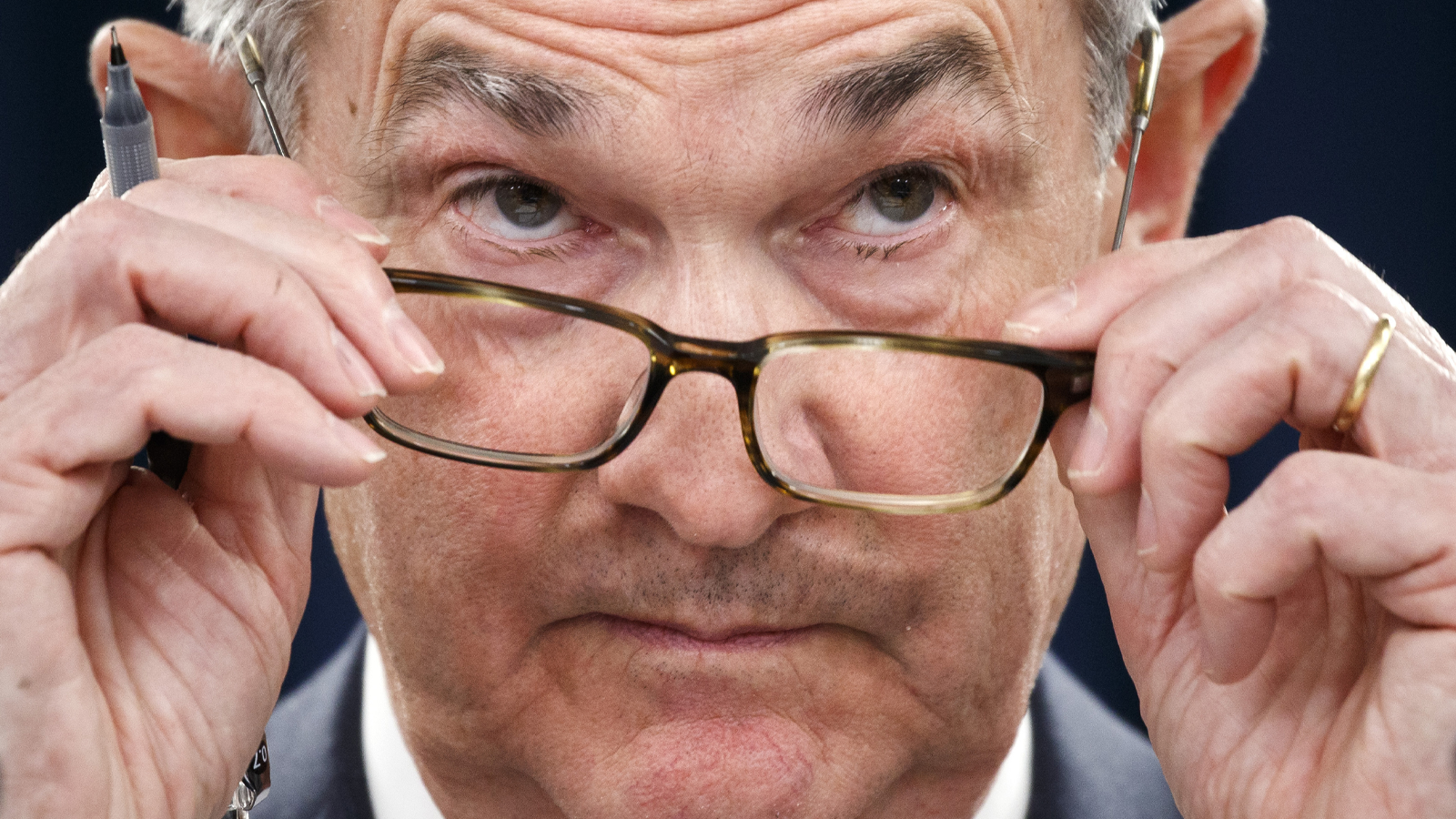
To Fight Inflation, The Fed Declares War On Workers
By leaving the problem of inflation to the central bank, Democrats are accepting an attack on labor power.
 www.levernews.com
By leaving the problem of inflation to the central bank, Democrats are accepting an attack on labor power.
New inflation data released Friday offered dismal news: Historic price increases aren’t showing any signs of abating, and in fact may be accelerating.
What can be done? Federal Reserve Chairman Jerome Powell has an idea: throw cold water on the hot labor market — perhaps the one bright spot in the current economy.
In fact, Powell recently screamed the quiet part out loud, making clear the largest central bank in the world is in fact an adversary to workers, when he declared that his goal is to “get wages down.”
At a May 4 press conference in which he announced a .5 percent interest rate hike, the largest since the year 2000, Powell said he thought higher interest rates would limit business’ hiring demand and lead to suppressed wages. As he put it, by reducing hiring demand, “that would give us a chance to get inflation down, get wages down, and then get inflation down without having to slow the economy and have a recession and have unemployment rise materially.”
In other words, Powell is saying that the primary, blunt financial instrument at his disposal to address sky-high inflation — hiking interest rates — will limit job opportunities and suppress pay.
Increasing borrowing costs and discouraging investment would not do much to address the root causes of today’s inflation — brittle supply chains, a surge in energy prices further heightened by Russia’s invasion of Ukraine, a housing crisis (which could actually be exacerbated by interest rate hikes), all of which are undergirded by corporate concentration enabling exorbitant corporate profits.
Hiking rates would likely suppress wages and worker power, as Powell indicated, a roundabout way to tackle inflation. That’s because there is overwhelming evidence that worker wages are not driving inflation, especially since wage increases are failing to keep up with rising prices. Friday’s data showed that while wages have continued to increase, the rate of increase is slowing.
The Sequel:

LEVER WEEKLY: Banks Say Let Them Eat Interest Rate Hikes
The Federal Reserve is shielding banks from the interest rate hikes it’s inflicting on workers — and the banks couldn’t be happier.
www.levernews.com
“Raise your hand if you’re having a hard time hiring staff right now,” asked an executive of the banking industry’s top lobbying group, pantomiming a count of the audience.
“A good number of hands in the crowd — almost a majority if I’m not blind,” he concluded.
That not-so-scientific poll, meant to illustrate workers’ pesky lack of desperation amid still-low unemployment, took place at the American Bankers Association’s annual Washington summit last week.
Attendees at the bank lobbying group’s event were awaiting news of whether the Federal Reserve would go forward with its ninth-straight interest rate hike, while listening to friendly keynote addresses by congressional leadership from both parties — even as public anger mounts at yet another government bank bailout.
The central bank’s aggressive rate hikes are a key factor behind the latest round of shocks to banks, whose investment securities collectively lost $600 billion worth of market value due to rising rates. Yet the assembled bankers and economists appeared unbothered about whether the Fed’s actions might make the crisis worse, and focused instead on the imperative of suppressing wages and worker bargaining power.