
Amerikan Melanin
Veteran
When he screamed into his elbow. I want this on a loop. 


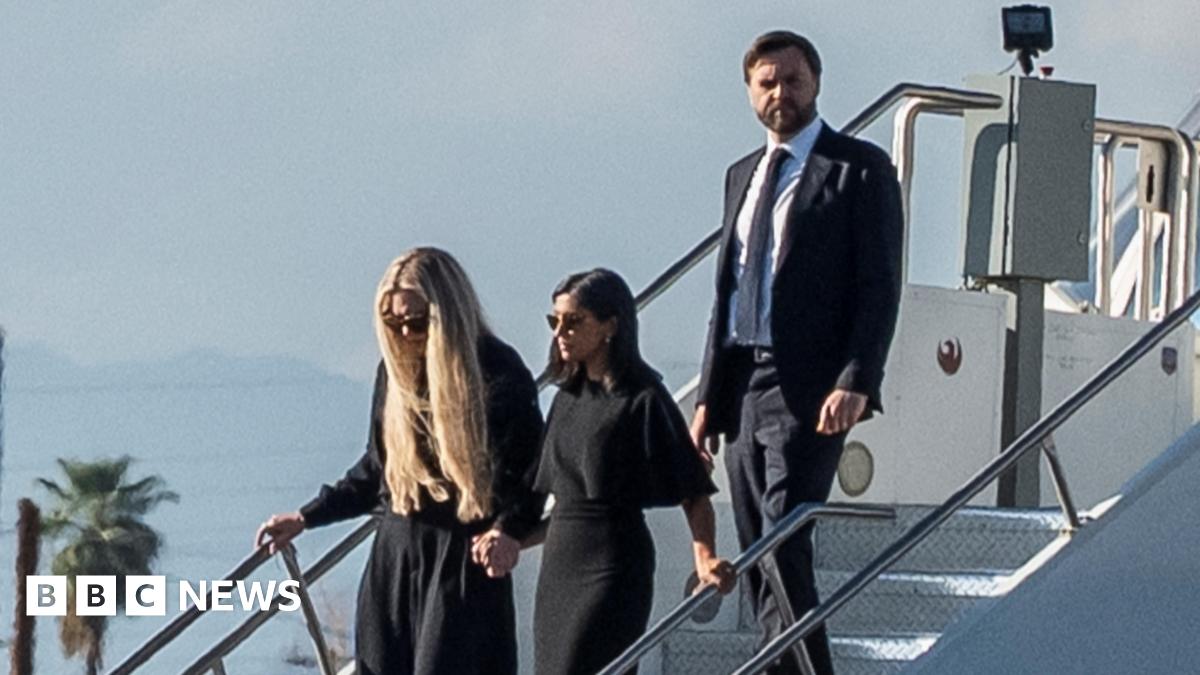
 www.bbc.com
“declares war”


| Conflict | What It’s About | Key Players | Why It Matters |
| Rand Paul vs. Vice President J.D. Vance | Clash over use of military force / due process. Vance praised a strike that sank a Venezuelan boat (alleged drug smugglers), saying it was “the highest and best use of the military.” Paul criticized it as reckless, arguing that killing people without trial is dangerous. | Rand Paul; JD Vance; broader divide between libertarian‐leaning GOP vs hawkish, militaristic streaks. | Raises questions about how far the “pro‐military” or “tough on crime/drugs” rhetoric goes in practice. Also pits civil libertarian values vs populist “law & order” impulses. Could affect future GOP foreign/military policy posture. |
| Foreign Policy / “America First” vs Traditional Hawks | Disagreements over aid to Ukraine, involvement in Middle East, Iran, U.S. obligations abroad. Some in GOP want a more isolationist or transactional foreign policy; others want continued global engagement (alliances, commitments). For instance, a hearing of nominee Elbridge Colby exposed tensions on resource allocation between Europe/Middle East vs China. Also debate over supporting Israel vs when/if to strike Iran. | Trump‐aligned MAGA figures; VP Vance; “traditional” GOP foreign policy hawks (e.g. some Senators, defense establishment); non-interventionist conservatives. | Indicates the party is re‐defining foreign policy norms. This has implications for alliances, military aid, elections, and what “conservatism” means in U.S. foreign policy. |
| Redistricting Pressure & Primary Threats | Trump allies pushing for redrawing legislative districts mid-decade in states like Indiana and Texas to maximize GOP seats. Those Republicans who resist face threats of primary challenges. Some GOP lawmakers are uncomfortable with shifting maps, pointing to partisan overreach or risk to incumbents. | Donald Trump and his political operation; state GOP leadership (legislators, governors); “Forward America” and other supportive political groups; incumbents who might be harmed. | Shows the intra‐party power dynamics: alignment with Trump’s agenda is being enforced not just by rhetoric, but via electoral threats. Could lead to more loyalty tests, or fracturing, especially among “establishment” or moderate Republicans. |
| Freedom Caucus / Procedural vs Leadership Tensions | Disagreements over rules, proxy voting, procedural mechanisms, and what counts as acceptable compromise. E.g., conflict around allowing absent members (new parents) to vote by proxy; some members viewed certain procedural votes as betrayals. One recent example: Anna Paulina Luna resigned from Freedom Caucus after disputes. | Freedom Caucus hardliners; House GOP leadership; moderate or less ideological GOP members. | Highlights that even within conservative factions there are limits; disagreements over how rigid or flexible the operational rules should be. Also matters because procedural rules impact legislative output and who gets rewarded or punished. |
| Culture/Rhetoric After Charlie Kirk’s Death / Political Violence | The killing of Charlie Kirk has triggered strong rhetoric from GOP leaders. Some calls for calm and de-escalation; others pushing combative language and attributing blame to “the radical left.” This has exacerbated disagreements about tone, strategy, electoral risk. | Republican governors; national GOP figures; conservative media; grassroots activists vs more moderate or cautious members. | Reflects the tension between mobilizing base emotions (which often elevates division) vs keeping broader appeal and avoiding backlash. Also could impact internal cohesion if leaders differ strongly in how to respond to violence or extreme events. |
| State | Issue | Who’s Clashing | Stakes / Why It Matters |
| Texas | Mid-decade redistricting pushed by Republican legislature (with pressure from Trump) to redraw congressional districts in a way that favors the GOP in 2026. | GOP state legislature, GOP leadership vs Democratic lawmakers; also some concern among Republicans about incumbents being hurt by map changes. | If successful, the GOP could pick up multiple U.S. House seats. But it also risks blowback (legal challenges, public backlash), internal dissent from Republicans uneasy with overly aggressive maps. Incumbent safety, intra-GOP pressure, impact on minority representation are at issue. |
| Missouri | Special legislative session to redraw congressional maps; a GOP map is moving forward that would reconfigure Democratic districts (notably in Kansas City) to favor Republicans. | GOP leadership in the state legislature including the Governor, with some Republicans opposing on procedural or precedent grounds, vs Democrats and civil rights groups opposing on fairness and representation grounds. | If enacted, it shifts the balance toward the GOP in U.S. House seats. Also raises intra-GOP questions about mid-decade redistricting (viability, legal risk) and how far state GOPs can go. Potential precedent for other states. |
| Virginia | Dispute in the 5th District between local GOP leaders and the state party over “loyalty tests” for candidates — i.e. whether GOP candidates must meet certain criteria of alignment or orthodoxy. | Conservative wing (or more ideologically pure GOP members) pushing loyalty expectations vs more moderate or local GOP figures who may resist. The state party leadership is trying to enforce stricter alignment. | These “tests” of loyalty can produce primary challenges, reduce unity, alienate local GOP actors, but they may also help the faction enforcing the tests in consolidating control. This is especially relevant in swing districts. |
| Oregon | Representative Cyrus Javadi switched from Republican to Democrat, citing that the GOP is now more focused on obstruction than doing governance, especially around cultural issues (drag, LGBTQ+ issues, free speech/book bans). | Javadi vs GOP leadership / base; also reflects tensions between cultural conservatives and more moderate Republicans (or Republicans whose personal values conflict with some of the culture-war policy pushes). | While one defection may not shift large numbers, it signals potential for losses in marginal seats where cultural issues dominate. Also hurts GOP’s narrative of unity; may encourage more defections or push moderates to be more vocal or independent. |
| Florida | A proxy war between Trump and Governor Ron DeSantis over who controls influential state party posts / appointments. E.g. the CFO role: DeSantis appointed one of his loyalists, but Trump had backed a different Republican, leading to tensions. | DeSantis vs Trump-aligned GOP figures; competing influence over state level party machinery. | Control of state party apparatus matters for candidate recruitment, messaging, endorsements. These appointments can signal which faction (MAGA, establishment, etc.) has ascendancy in future primaries. Could also diminish cooperation between wings of the party. |
 So: a groyper can mean simply a smug Pepe-style meme character, or it can mean someone aligned with Fuentes’ far-right movement, depending on context.
 Meme History
 Political Role (“Groyper Army”)
 Summary of Meanings
 Among Among Key Difference
| Group | TRN meaning | Tone of use |
| Incels | Archetypal alpha male (like Chad), sexually dominant, feared competitor | Bitter / envious |
| Groypers | Borrowed slang, used ironically or racially, to mark someone as “real” (vs. fake/cucked) | Mocking / edgy |
So in short: Incels = TRN as sexual hierarchy concept. Groypers = TRN as ironic meme / sometimes racial code. So:
So:


