Whitty Hutton
these posters are TRASH
http://en.wikipedia.org/wiki/New_Horizons
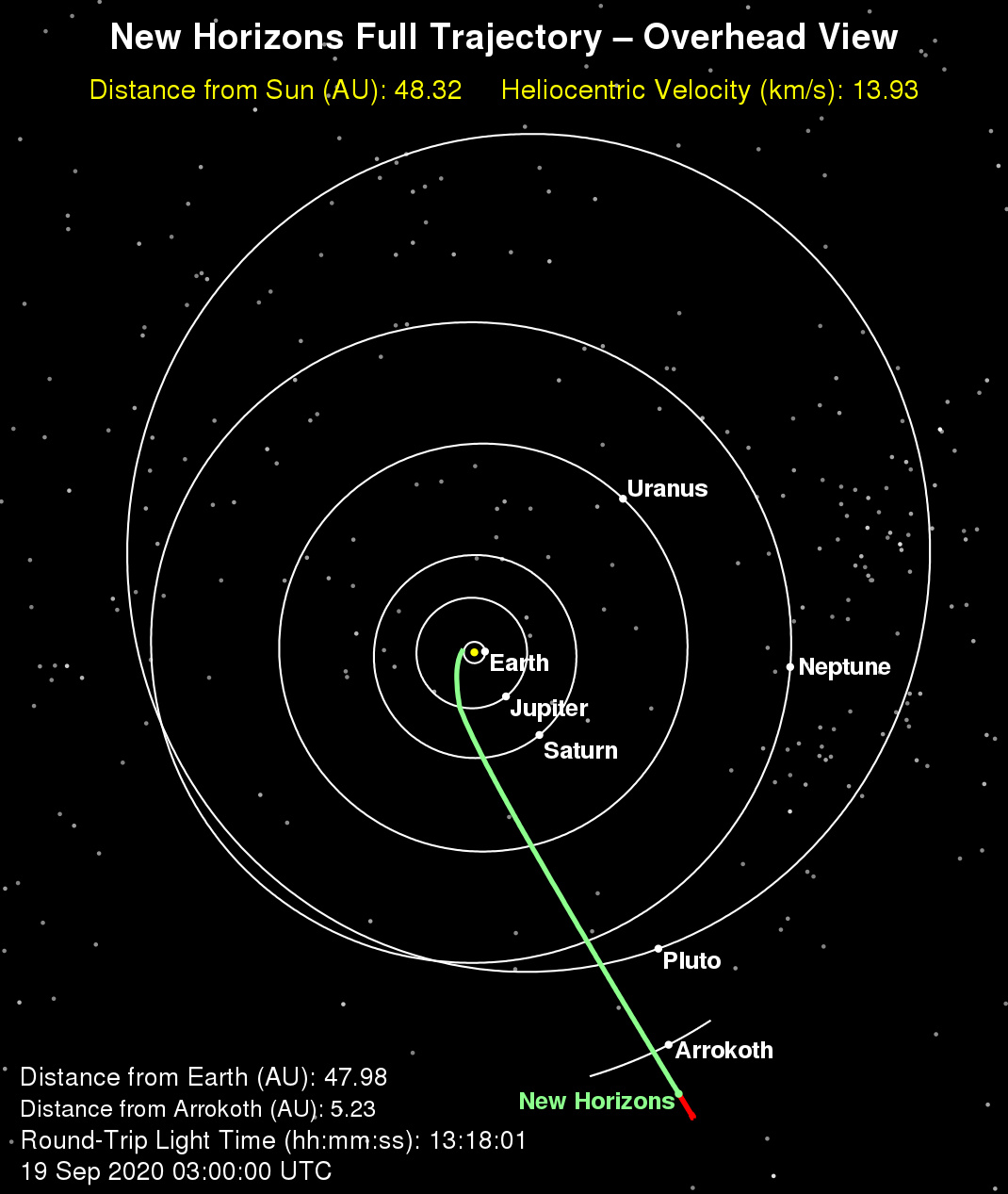
The first ever up close study of Pluto
The probe was launched in 2006, and has just now entered into Pluto's orbit
The observations of Pluto are set to start next month
Jan 15, 2015 New Horizons begins observing the Pluto system
Feb 2015 Observations of Pluto begin New Horizons is now close enough to Pluto for the main science mission to begin.
May 5, 2015 Better than Hubble Images exceed best Hubble Space Telescope resolution.
July 14, 2015 Flyby of Pluto, Charon, Hydra, Nix, Kerberos andStyx Flyby of Pluto around 11:47 UTC at 13,695 km, 13.78 km/s. Pluto is 32.9 AU from Sun. Flyby of Charon around 12:01 UTC at 29,473 km, 13.87 km/s.
2016–20 Possible flyby of one or more Kuiper belt objects (KBOs) The probe will perform flybys of other KBOs, if any are in the spacecraft's trajectory.
2026 Expected end of the mission
2038 New Horizons will be 100 AU from the Sun. If still functioning, the probe will explore the outer heliosphere.
Ready to get those images never seen before by humans
The first ever up close study of Pluto
The probe was launched in 2006, and has just now entered into Pluto's orbit
The observations of Pluto are set to start next month
Jan 15, 2015 New Horizons begins observing the Pluto system
Feb 2015 Observations of Pluto begin New Horizons is now close enough to Pluto for the main science mission to begin.
May 5, 2015 Better than Hubble Images exceed best Hubble Space Telescope resolution.
July 14, 2015 Flyby of Pluto, Charon, Hydra, Nix, Kerberos andStyx Flyby of Pluto around 11:47 UTC at 13,695 km, 13.78 km/s. Pluto is 32.9 AU from Sun. Flyby of Charon around 12:01 UTC at 29,473 km, 13.87 km/s.
2016–20 Possible flyby of one or more Kuiper belt objects (KBOs) The probe will perform flybys of other KBOs, if any are in the spacecraft's trajectory.
2026 Expected end of the mission
2038 New Horizons will be 100 AU from the Sun. If still functioning, the probe will explore the outer heliosphere.
Ready to get those images never seen before by humans
Last edited: