

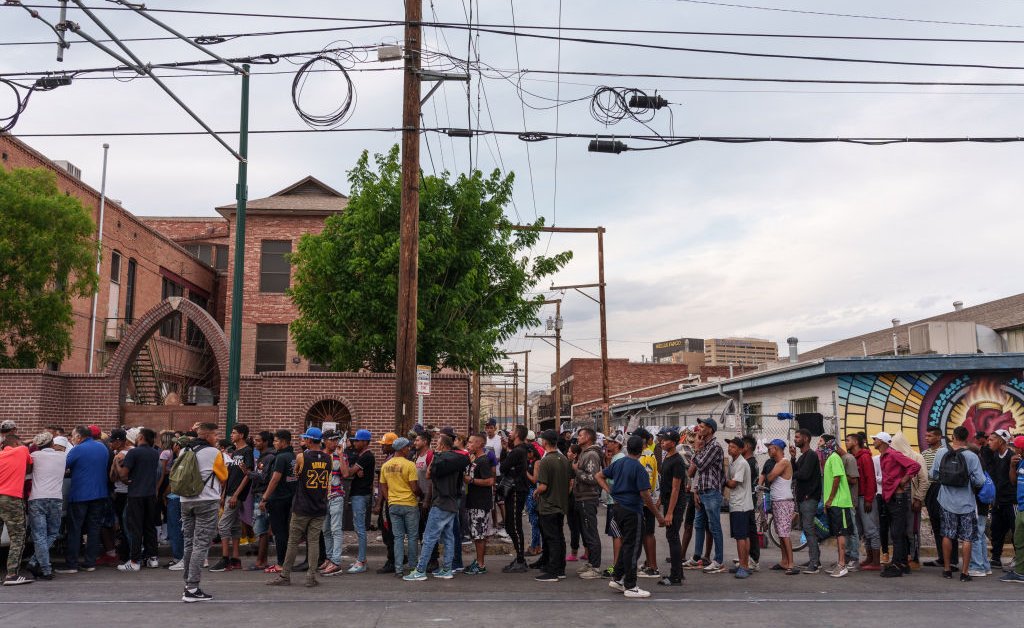
Why the U.S. May Be Days Away From a Border Crisis
At 11:59 pm on May 11, one emergency will officially end and another may begin. Federal officials are bracing for the end of Title 42 to spark a massive surge of people crossing the Southern Border
 time.com
At 11:59 pm on Thursday, May 11, one emergency will officially end and another may begin. That’s when the Biden administration has scheduled the end of the COVID-19 health emergency, which also means the expiration of a pandemic-era practice that began under the Trump administration of immediately expelling people trying to cross the border without allowing them to request asylum.
White House officials are bracing for a surge of people to cross the Southern Border in the wake of the change. President Biden has ordered 1,500 troops to deploy along the border for three months to support operations by U.S. Customs and Border Protection officials.
Both Title 42’s expiration, and the way it has warped immigration patterns for the last three years, are widely misunderstood, administration officials and immigration experts say. That’s complicated the debate over its expiration, which has been delayed multiple times as Republican state officials have sued to keep it in place. This time, though, a court reprieve appears less likely.
Criminal smugglers, hoping to increase profits, have been incorrectly telling would-be migrants that the end of the COVID-19 emergency and the associated expiration of Title 42 authorities will allow people to more easily come into the U.S. That is not the case, according to Biden Administration officials.
But there has also been a counter-intuitive impact of the use of Title 42 authorities during the pandemic, say Administration officials and immigration experts. Those quick, summary expulsions meant officials stopped recording the entry of each migrant or inquired about what dangers drove them to leave home. That was expedient, but had an unintended outcome. Many migrants that were summarily expelled, and then tried to enter again and again, multiplying the number of people Border Patrol agents encountered in a year.
Along with sending troops to the border, the Biden administration is trying to convince migrants to not try and enter that way in the first place. The State Department is preparing to open “processing centers” in Guatemala and Colombia where migrants wanting to come to the U.S. can meet with case workers and see if they qualify for one of multiple legal pathways into the country, and has plans to open more such centers in other countries in the hemisphere. The Biden Administration is also continuing to allow 30,000 migrants each month from Cuba, Haiti, Nicaragua and Venezuela to apply for humanitarian parole from outside the U.S. and get permission to enter the U.S. via a commercial airline, instead of paying criminal smugglers to bring them over land.
“We are seeing a level of migration not just at our southern border, but throughout the hemisphere, that is unprecedented,” Homeland Security Secretary Alejandro Mayorkas said April 30 on NBC’s Meet the Press. The administration’s approach, he said, is to “cut out the ruthless smugglers” and “deliver lawful pathways so people can access humanitarian relief without having to take the dangerous journey from their home countries.”
After May 11, Mayorkas said, people who try to cross into the U.S. between ports of entry will likely be blocked from claiming asylum or finding other legal pathways to enter. “If they arrive at our southern border in between ports of entry, we will deliver consequences,” Mayorkas said.
The Biden Administration is working to get a new immigration rule in place by Thursday that would set stricter conditions for who can claim asylum, adding that if a person was encountered by Border Patrol and trying to come into the U.S. between ports of entry, asylum officials should start with the assumption they would be denied asylum.
The expected surge in migrants at the border comes weeks after Biden announced his bid for another term in office. A protracted border crisis could become a political liability for Biden going into the 2024 election. A poll in April of swing state voters by Global Strategy Group found that 52% of voters think Biden is ignoring the problem of immigration. But Biden’s new efforts to open up more legal ways to enter the United States, while increasing the consequences for those who cross into the US illegally, may resonate with voters in the key states he needs to win reelection. The April poll found that 76% of swing state voters had positive views of increasing border security, and a similar majority of voters, 75%, viewed providing pathways to citizenship in a positive light.


