welp so much for my morning energy drink 
Common Sweetener May Harm Critical Brain Barrier, Risking Stroke
12 May 2026
By Havovi Chichger, The Conversation
Found in everything from protein bars to energy drinks, erythritol has long been considered a safe alternative to sugar.
But research suggests this widely used sweetener may be quietly undermining one of the body's most crucial protective barriers – with potentially serious consequences for heart health and stroke risk.
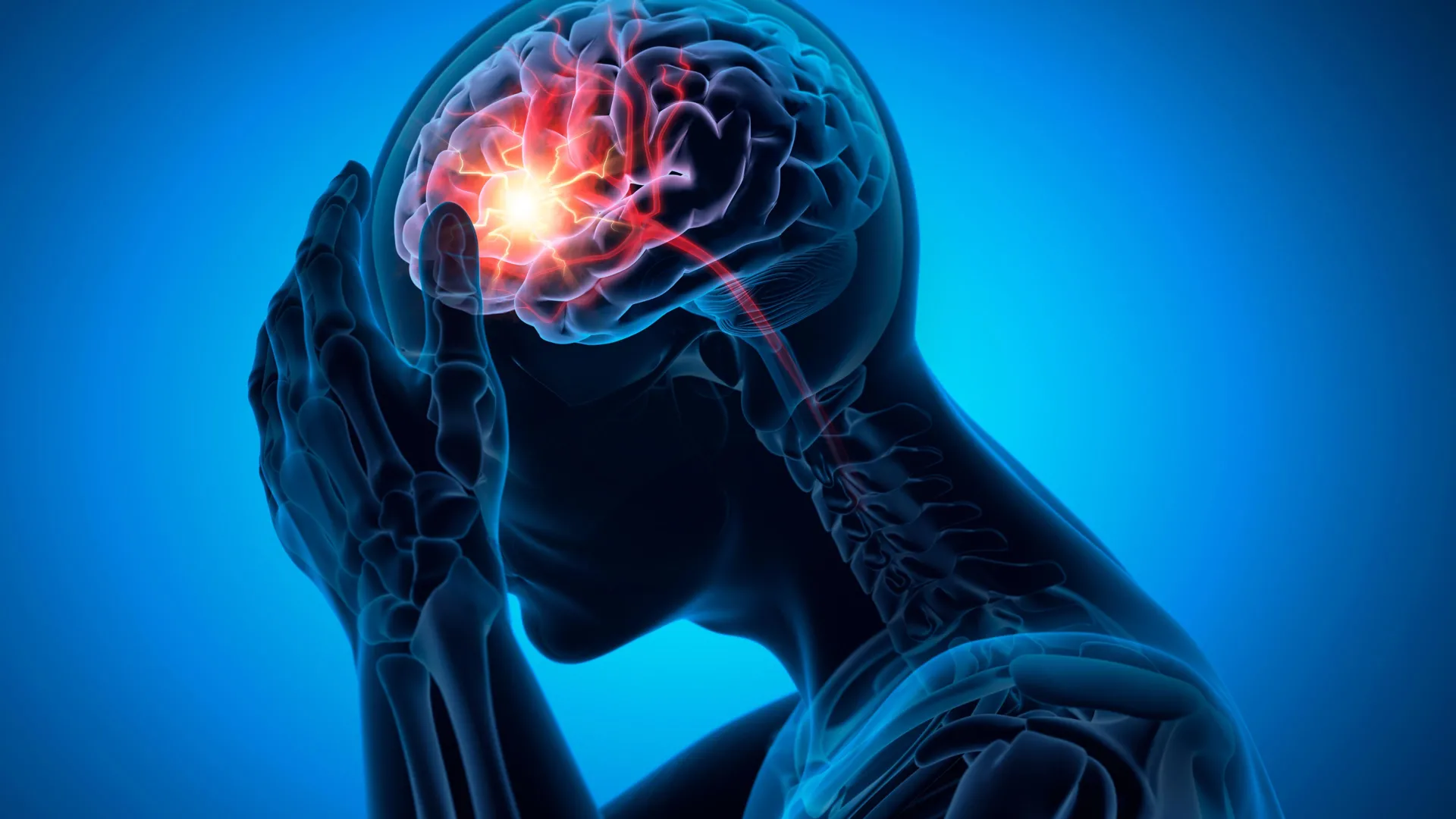
A study from the University of Colorado suggests erythritol may damage cells in the blood-brain barrier, the brain's security system that keeps out harmful substances while letting in nutrients.
The findings add troubling new detail to previous observational studies that have linked erythritol consumption to increased rates of heart attack and stroke.
In the recent study, researchers exposed blood-brain barrier cells to levels of erythritol typically found after drinking a soft drink sweetened with the compound.
They saw a chain reaction of cell damage that could make the brain more vulnerable to blood clots – a leading cause of stroke.
Erythritol triggered what scientists call oxidative stress, flooding cells with harmful, highly reactive molecules known as free radicals, while simultaneously reducing the body's natural antioxidant defenses.
This double assault damaged the cells' ability to function properly, and in some cases killed them outright.
But perhaps more concerning was erythritol's effect on the blood vessels' ability to regulate blood flow.
Healthy blood vessels act like traffic controllers, widening when organs need more blood – during exercise, for instance – and tightening when less is required.
They achieve this delicate balance through two key molecules: nitric oxide, which relaxes blood vessels, and endothelin-1, which constricts them.
The study found that erythritol disrupted this critical system, reducing nitric oxide production while ramping up endothelin-1. The result would be blood vessels that remain dangerously constricted, potentially starving the brain of oxygen and nutrients.
This imbalance is a known warning sign of ischaemic stroke – the type caused by blood clots blocking vessels in the brain.
Even more alarming, erythritol appeared to sabotage the body's natural defense against blood clots. Normally, when clots form in blood vessels, cells release a "clot buster" called tissue plasminogen activator that dissolves the blockage before it can cause a stroke.
But the sweetener blocked this protective mechanism, potentially leaving clots free to wreak havoc.
The laboratory findings align with troubling evidence from human studies.
Several large-scale observational studies have found that people who regularly consume erythritol face significantly higher risks of cardiovascular disease, including heart attacks and strokes.
One major study tracking thousands of participants found that those with the highest blood levels of erythritol were roughly twice as likely to experience a major cardiac event.
However, the research does have limitations. The experiments were conducted on isolated cells in laboratory dishes rather than complete blood vessels, which means the cells may not behave exactly as they would in the human body.
Common Sweetener May Harm Critical Brain Barrier, Risking Stroke
12 May 2026
By Havovi Chichger, The Conversation
Found in everything from protein bars to energy drinks, erythritol has long been considered a safe alternative to sugar.
But research suggests this widely used sweetener may be quietly undermining one of the body's most crucial protective barriers – with potentially serious consequences for heart health and stroke risk.
A study from the University of Colorado suggests erythritol may damage cells in the blood-brain barrier, the brain's security system that keeps out harmful substances while letting in nutrients.
The findings add troubling new detail to previous observational studies that have linked erythritol consumption to increased rates of heart attack and stroke.
In the recent study, researchers exposed blood-brain barrier cells to levels of erythritol typically found after drinking a soft drink sweetened with the compound.
They saw a chain reaction of cell damage that could make the brain more vulnerable to blood clots – a leading cause of stroke.
Erythritol triggered what scientists call oxidative stress, flooding cells with harmful, highly reactive molecules known as free radicals, while simultaneously reducing the body's natural antioxidant defenses.
This double assault damaged the cells' ability to function properly, and in some cases killed them outright.
But perhaps more concerning was erythritol's effect on the blood vessels' ability to regulate blood flow.
Healthy blood vessels act like traffic controllers, widening when organs need more blood – during exercise, for instance – and tightening when less is required.
They achieve this delicate balance through two key molecules: nitric oxide, which relaxes blood vessels, and endothelin-1, which constricts them.
The study found that erythritol disrupted this critical system, reducing nitric oxide production while ramping up endothelin-1. The result would be blood vessels that remain dangerously constricted, potentially starving the brain of oxygen and nutrients.
This imbalance is a known warning sign of ischaemic stroke – the type caused by blood clots blocking vessels in the brain.
Even more alarming, erythritol appeared to sabotage the body's natural defense against blood clots. Normally, when clots form in blood vessels, cells release a "clot buster" called tissue plasminogen activator that dissolves the blockage before it can cause a stroke.
But the sweetener blocked this protective mechanism, potentially leaving clots free to wreak havoc.
The laboratory findings align with troubling evidence from human studies.
Several large-scale observational studies have found that people who regularly consume erythritol face significantly higher risks of cardiovascular disease, including heart attacks and strokes.
One major study tracking thousands of participants found that those with the highest blood levels of erythritol were roughly twice as likely to experience a major cardiac event.
However, the research does have limitations. The experiments were conducted on isolated cells in laboratory dishes rather than complete blood vessels, which means the cells may not behave exactly as they would in the human body.


 and dudes are cheering him on






 to hold the cheese. triscuit wafers are decent, the fiber will help you shyt out the cheese later