WTF @ the Grape hype. I don't ever remember shyt being like this from back in the 90's even when they dropped back in the mid 00's. What's wrong w/ people?
herd/mob mentality Wikipedia
Herd mentality, or mob mentality, describes how people are influenced by their peers to adopt certain behaviors, follow trends, and/or purchase items. Examples of the herd mentality include stock market trends, fashions in apparel, cars, taste in music, superstition, religion, home décor, etc. Social psychologists study the related topics of group intelligence, crowd wisdom, and decentralized decision making.
Definition
The term herd mentality is the word herd, meaning "group of animals," and mentality, implying a certain frame of mind. However the most succinct definition would be: "how large numbers of people act in the same ways at the same times."
Herd behavior is distinguished from herd mentality because it applies to all animals, whereas the term mentality implies a uniquely human phenomenon. Herd mentality implies a fear-based reaction to peer pressure which makes individuals act in order to avoid feeling "left behind" from the group. Herd mentality is also known as "mob mentality"
Herd mentality and herd behavior have been prevalent descriptors for human behavior since people began to form tribes, migrate in groups, and perform cooperative marketing and agricultural functions. The idea of a "group mind" or "mob behavior" was first put forward by 19th-century French social psychologists Gabriel Tarde and Gustave Le Bon. Herd behavior in human societies has also been studied by Sigmund Freud and Wilfred Trotter, whose book Herd Instincts in Peace and War is a classic in the field of social psychology. Sociologist and Economist Thorstein Veblen's Theory of the Leisure Class illustrates how individuals imitate other group members of higher social status in their consumer behavior. More recently, Malcolm Gladwell in The Tipping Point, examines how cultural, social, and economic factors converge to create trends in consumer behavior. In 2004, the New Yorker's financial columnist James Suroweicki published The Wisdom of Crowds.
21st-century academic fields such as marketing and behavioral finance attempt to identify and predict the rational and irrational behavior of investors. (See the work of Daniel Kahneman, Robert Shiller, Vernon L. Smith, and Amos Tversky.) Driven by emotional reactions such as greed and fear, investors can be seen to join in frantic purchasing and sales of stocks, creating bubbles and crashes.


but I'm trying to get them black toe 1s. I'm hoping the restock is right around that time so hopefully the beasts aren't checking for them as much as they would be on a normal release date

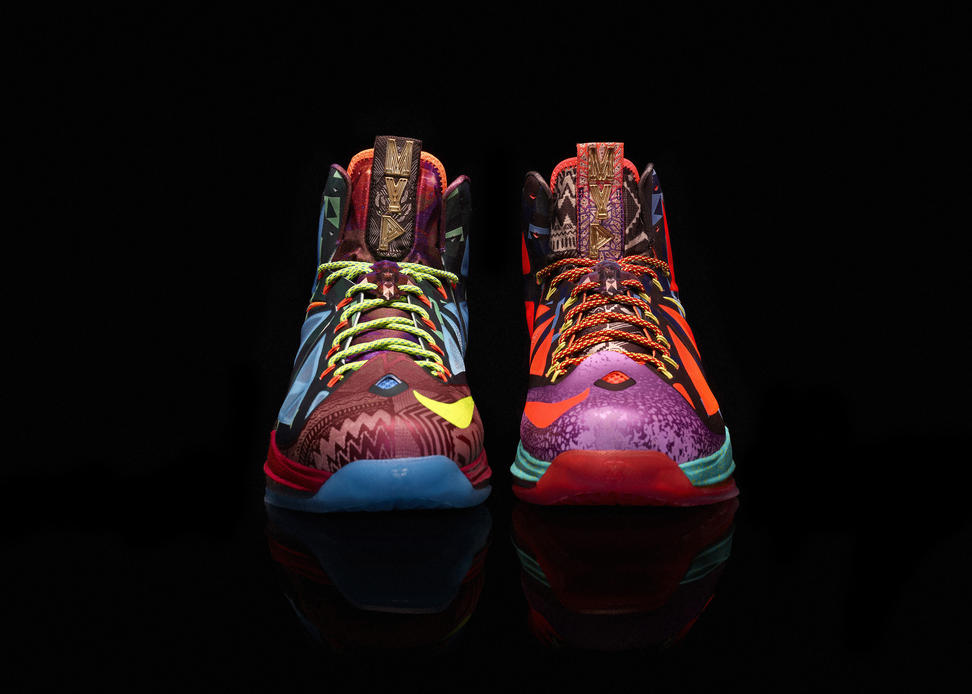
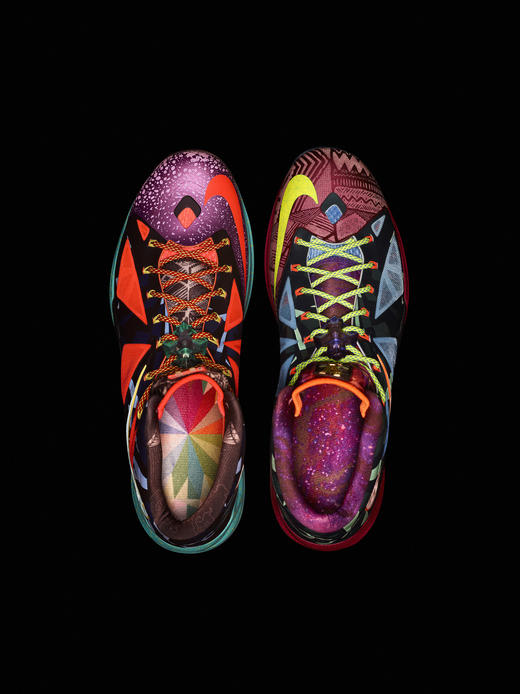

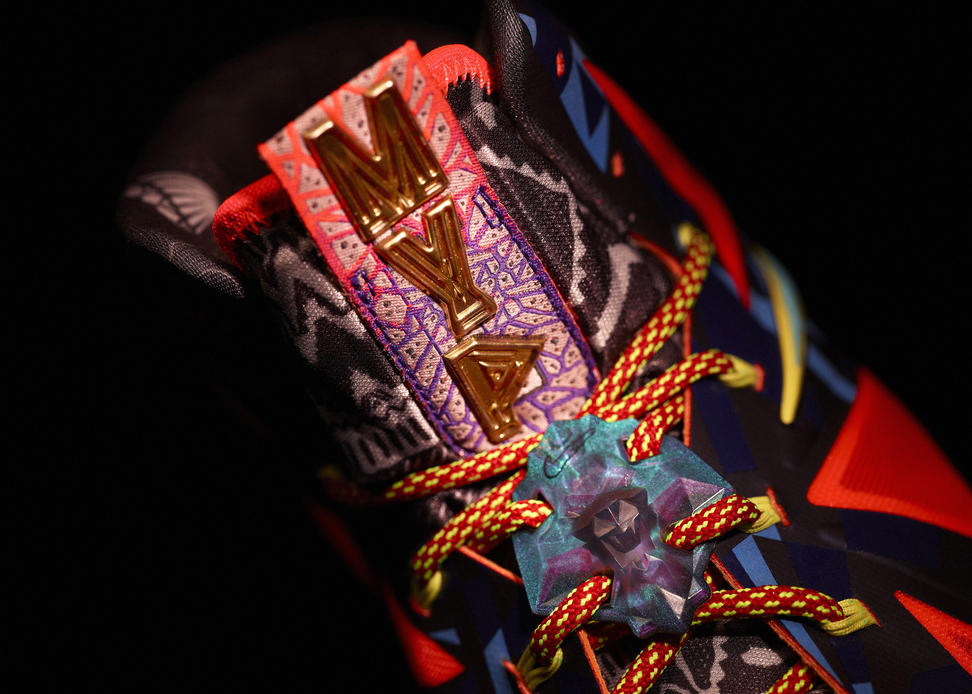






 Somebody please get their son.


