get these nets
Veteran
Episode of the Ilha Cast Podcast
They begin speaking in English @17:49
@31 They begin discussing the book
Ilhacast Podcast is an authentic internet radio program about the Capeverdean experience both in the motherland & the diaspora. AlphaKiko is your humble host who is looking to bring you information for your enjoyment & empowerment
Guest are
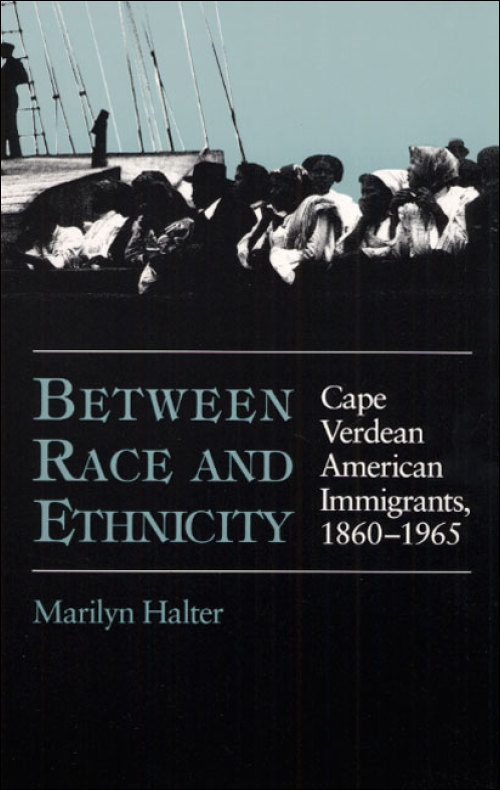
Between Race and Ethnicity
Cape Verdean American Immigrants, 1860-1965
Author: Marilyn Halter
Cape Verdean Americans were one of the first major groups of Americans to have made the voyage from Africa to the United States voluntarily. Their homeland, an archiaelago off the west coast of Africa, had long been colonized by the Portuguese. Arriving in New England first as crew members of whaling vessels, these Afro-Portuguese immigrants later came as permanent settlers in their own packet ships. They were employed in the cranberry industry, on the docks, and as domestic workers.
Marilyn Halter combines oral history with analyses of ships' records to create a detailed picture of the history and adaptation patterns of the Cape Verdean Americans, who identified themselves in terms of ethnicity but whose mixed African-European ancestry led their new society to view them as a racial group. Halter emphasizes racial and ethnic identity formation among Cape Verdeans, who adjusted to their new life . Ethnographic analysis of rural life on the bogs of Cape Cod is contrasted with the New Bedford, Massachusetts, urban community to show how the immigrants established their own social and religious groups and maintained their Crioulo customs
They begin speaking in English @17:49
@31 They begin discussing the book
Ilhacast Podcast is an authentic internet radio program about the Capeverdean experience both in the motherland & the diaspora. AlphaKiko is your humble host who is looking to bring you information for your enjoyment & empowerment
Guest are
- Marilyn Halter, Professor Emerita of History at Boston University
- Marcy dePina, Ethnomusicologist and radio/tv producer
Between Race and Ethnicity
Cape Verdean American Immigrants, 1860-1965
Author: Marilyn Halter
Cape Verdean Americans were one of the first major groups of Americans to have made the voyage from Africa to the United States voluntarily. Their homeland, an archiaelago off the west coast of Africa, had long been colonized by the Portuguese. Arriving in New England first as crew members of whaling vessels, these Afro-Portuguese immigrants later came as permanent settlers in their own packet ships. They were employed in the cranberry industry, on the docks, and as domestic workers.
Marilyn Halter combines oral history with analyses of ships' records to create a detailed picture of the history and adaptation patterns of the Cape Verdean Americans, who identified themselves in terms of ethnicity but whose mixed African-European ancestry led their new society to view them as a racial group. Halter emphasizes racial and ethnic identity formation among Cape Verdeans, who adjusted to their new life . Ethnographic analysis of rural life on the bogs of Cape Cod is contrasted with the New Bedford, Massachusetts, urban community to show how the immigrants established their own social and religious groups and maintained their Crioulo customs
Last edited:


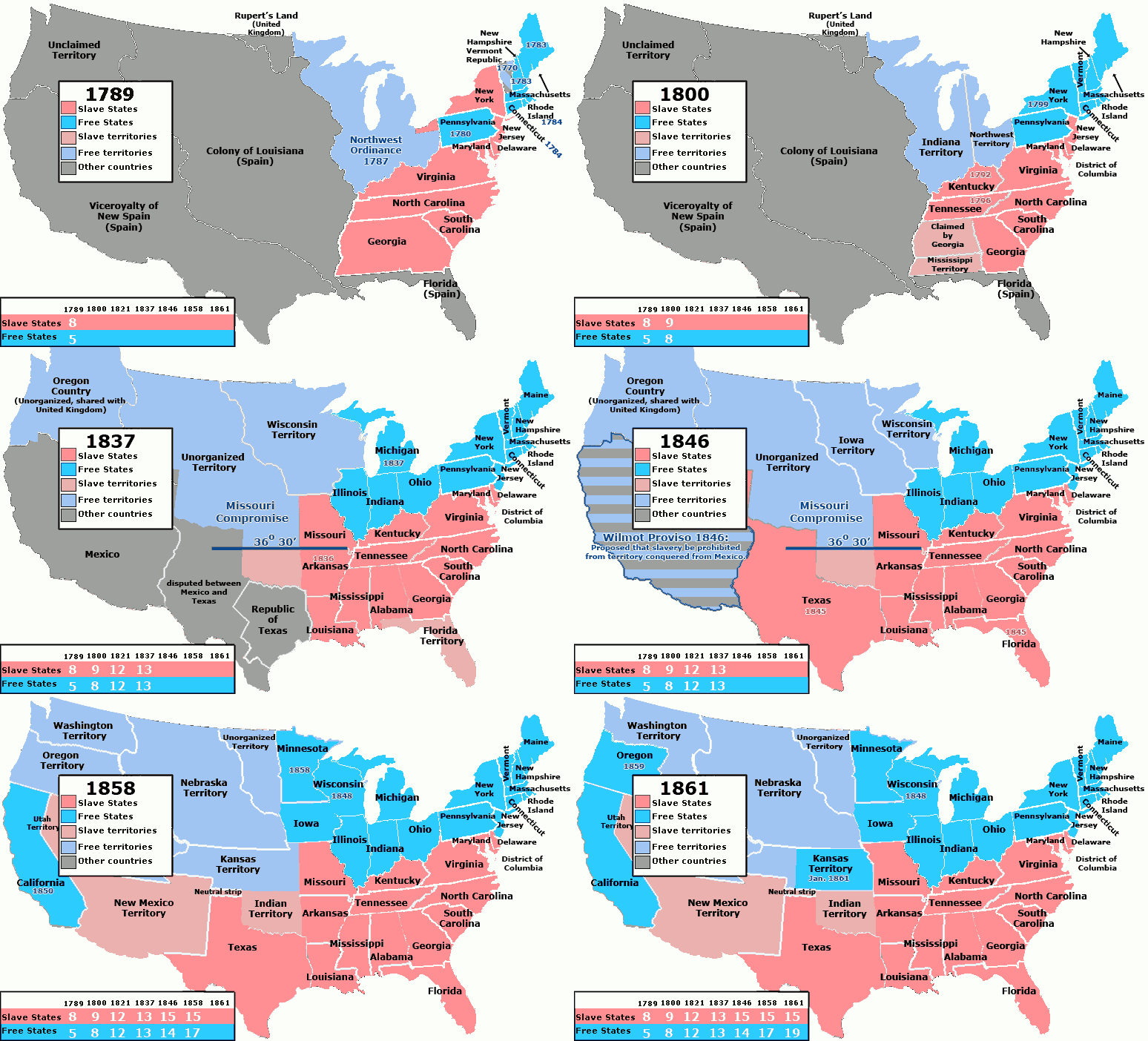
 They weren't slaves in the USA, they DON'T descend from mainland USA slaves, and they arrived in the North when slavery had already ended in the region