

You are using an out of date browser. It may not display this or other websites correctly.
You should upgrade or use an alternative browser.
You should upgrade or use an alternative browser.
Coronavirus Thread: Worldwide Pandemic
- Thread starter 88m3
- Start date
More options
Who Replied?
@FAH1223 can make this the official infectious disease thread:
I’ll keep it populated.
Right now there’s a few things to be on the look out for, between measles, tb, covid, etc
Infectious diseases are back

 www.usatoday.com
N95’s need to be an industry standard
I’ll keep it populated.
Right now there’s a few things to be on the look out for, between measles, tb, covid, etc
Infectious diseases are back
Students hit by measles outbreak at Florida university
At least seven more students at a Florida's Ave Maria University have contracted measles, health officials said.
www.usatoday.com
N95’s need to be an industry standard
A lot of information has been flooding covid for the past year.
The best advice, I'd give anyone is to continue masking, with N95's, not surgical mask. Get an air filter for your house.
This alone will insure that lung cancer rate will soar.
Also within science, more connections are being made that infections from the "common cold" or "flu" are what is triggering heart attacks, which makes sense, because the "common cold" or flu, "temporarily" weakens your immune response, allowing for other pathogens to more easily attack your cells.
Strap up because things are about to accelerate into 2030.
Stay up to date on all your vaccines as well. Don't listen to RFK.
The best advice, I'd give anyone is to continue masking, with N95's, not surgical mask. Get an air filter for your house.
This alone will insure that lung cancer rate will soar.
Also within science, more connections are being made that infections from the "common cold" or "flu" are what is triggering heart attacks, which makes sense, because the "common cold" or flu, "temporarily" weakens your immune response, allowing for other pathogens to more easily attack your cells.
Strap up because things are about to accelerate into 2030.
Stay up to date on all your vaccines as well. Don't listen to RFK.

choc_cardigan
Squad
A lot of information has been flooding covid for the past year.
The best advice, I'd give anyone is to continue masking, with N95's, not surgical mask. Get an air filter for your house.
This alone will insure that lung cancer rate will soar.
Also within science, more connections are being made that infections from the "common cold" or "flu" are what is triggering heart attacks, which makes sense, because the "common cold" or flu, "temporarily" weakens your immune response, allowing for other pathogens to more easily attack your cells.
Strap up because things are about to accelerate into 2030.
Stay up to date on all your vaccines as well. Don't listen to RFK.
What are your peers saying about other dormant diseases that are more deadly possibly having outbreaks? And the fact that measles didn't exist just a few years ago to now full blown outbreaks sums up Americans as a whole.
What are your peers saying about other dormant diseases that are more deadly possibly having outbreaks? And the fact that measles didn't exist just a few years ago to now full blown outbreaks sums up Americans as a whole.
There’s growing concern about bird flu potentially evolving into sustained human to human transmission, especially given how aggressively it has been spreading across farms and wildlife populations worldwide.
A simple search of recent headlines shows the scale of the impact:
Utah officials estimate 50,000 birds have died at the Great Salt Lake from avian flu:

Utah officials estimate 50K+ birds have died at Great Salt Lake from avian flu
Biologists with the Division of Wildlife Resources are now estimating that more than 50,000 birds have died along the south arm of the Great Salt Lake during the latest influx of avian influenza.
 www.fox13now.com
More than 2.4 million domestic birds have been affected by bird flu in Lancaster County:
At this point, many experts believe its not if but when. Effective public health policy depends on being proactive rather than reactive. When highly contagious diseases spread, they can move extremely quickly through populations, making early research, surveillance, and prevention efforts critical.
Avian influenza strains that infect humans have historically had high case-fatality rates in reported cases, with some outbreaks, around 50%. That is significantly higher than the overall fatality rate of COVID-19.
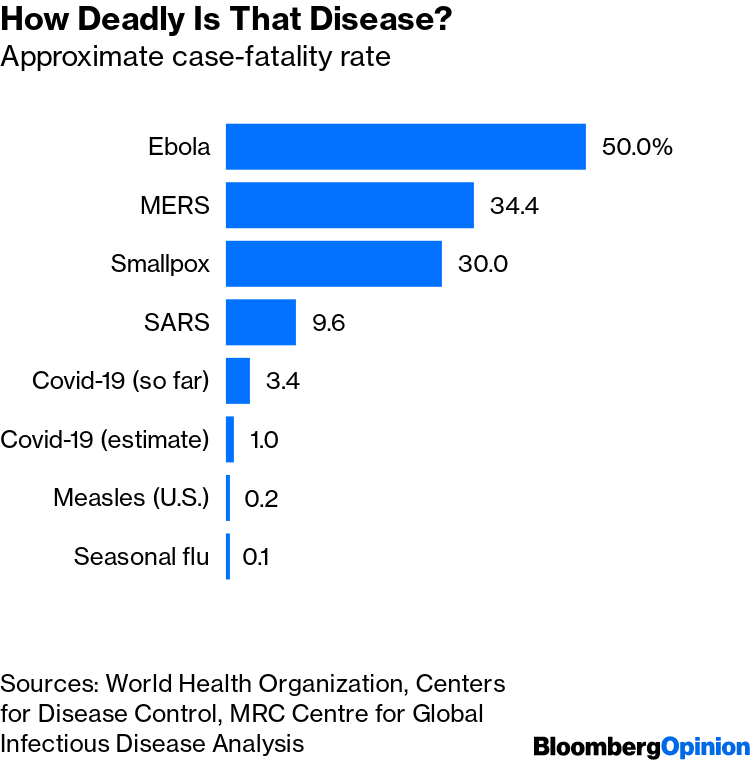
For comparison, if bird flu were to achieve sustained human to human transmission while maintaining its historically high case-fatality rate, it would rank alongside viruses like Ebola among the most lethal infectious diseases. That’s why the possibility of it emerging as a widespread human threat is so concerning.
The situation is further complicated by the ongoing antivaccine movement, which is undermining public trust in science and healthcare.
Now, I’d like to address address that dormant comment.

Heart attacks may actually be infectious
Scientists from Finland and the UK have uncovered groundbreaking evidence that heart attacks may be triggered by infectious processes rather than just cholesterol and lifestyle factors. Hidden bacterial biofilms inside arterial plaques can remain dormant for decades, shielded from the immune...
www.sciencedaily.com
Hidden bacterial biofilms inside arterial plaques can remain dormant for decades, shielded from the immune system, until activated by a viral infection or another external trigger. Once awakened, the bacteria spark inflammation, rupture arterial plaques, and cause blockages that lead to heart attacks.
The common cold, flu, covid, weakening your immune system isn't something to take casually because this is believed to be why we're seeing a rise of heart attacks.
@Sugarbush @wire28
So stay up to date on your vaccines, floss, brush your teeth, mouthwash, invest in a hepa certified air filter and mask(N95) in public settings.
This is someone with money, fame, and access.
3 school district closed down:

 www.waff.com

 www.wsmv.com
The kids are not ok “post covid“.
For more information:
Madison County Schools moving to e-learning on Friday due to widespread illness
The Madison County Schools System is moving to e-learning on Friday, February 13, and students will not report to campus due to widespread illness.
www.waff.com
Another Middle Tennessee school district announces closure for illness as outbreak sees ‘exponential growth’
Warren County Schools said schools would be closed Tuesday and Wednesday due to illness.
www.wsmv.com
The kids are not ok “post covid“.
For more information:


Last edited:

Clear recommendation for air filters.
Been watching this appear on my feed the past week, now I feel comfortable posting it here:
Not sure on the timeline for human trials.
Not sure on the timeline for human trials.