No one fears trans people.This piece of shyt is back and still fearmongering about trans people in the midst of Trump's authoritarian takeover? Shut the fukk up.

You are using an out of date browser. It may not display this or other websites correctly.
You should upgrade or use an alternative browser.
You should upgrade or use an alternative browser.
Democrats and Trans Rights
- Thread starter the next guy
- Start date
More options
Who Replied?This piece of shyt is back and still fearmongering about trans people in the midst of Trump's authoritarian takeover? Shut the fukk up.
I mean if you thought anything differently was gonna happen. That is on you bruh.



Its OVER.
This piece of shyt is back and still fearmongering about trans people in the midst of Trump's authoritarian takeover? Shut the fukk up.
Theres now court cases of people winning settlements for being forced to transition.I mean if you thought anything differently was gonna happen. That is on you bruh.

A Legal First That Could Change Gender Medicine
At 16, Fox Varian got a mastectomy while undergoing a gender transition. She sued her psychologist and plastic surgeon for leaving her ‘disfigured for life.’ Benjamin Ryan reports from the courtroom.
 www.thefp.com
@Pull Up the Roots
I thought these surgeries weren’t happening?
 benryan.substack.com
I thought these surgeries weren’t happening?
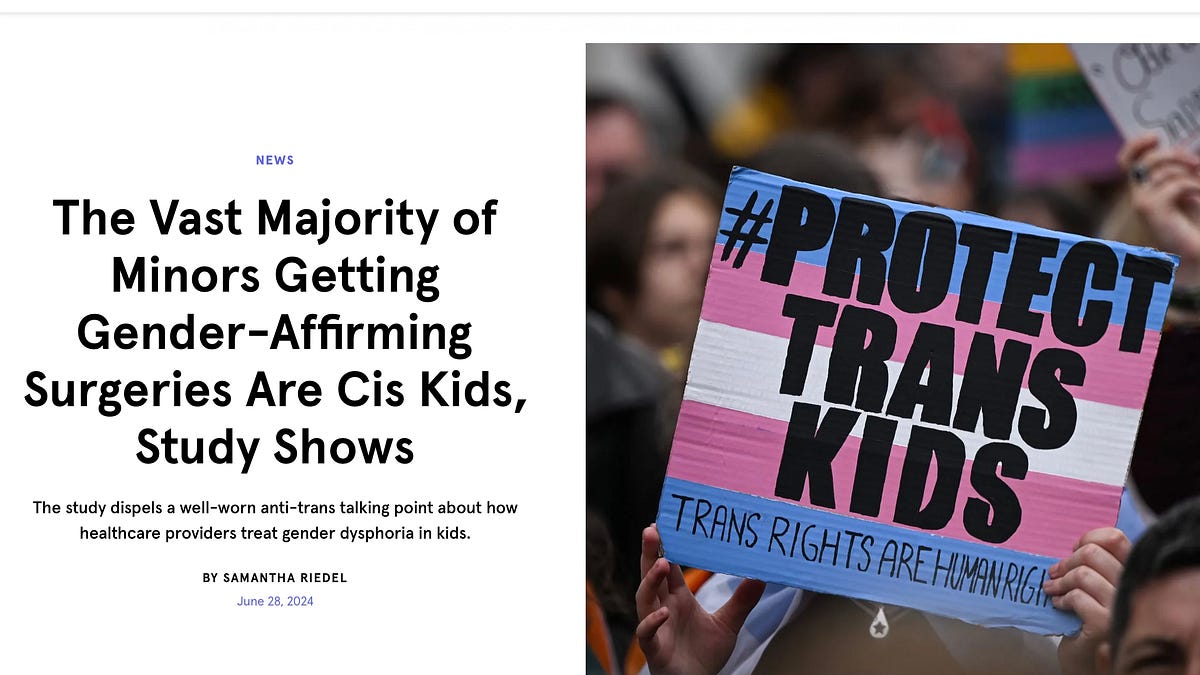
How Harvard Teed Up the False Claim That the 'Vast Majority of Minors Getting Gender-Affirming Surgeries Are Cis Kids'
An opaquely written Harvard study and linked press release prompted false reporting that gynecomastia surgeries for boys are vastly more common than gender-affirming surgeries for trans kids.
benryan.substack.com
This piece of shyt is back and still fearmongering about trans people in the midst of Trump's authoritarian takeover? Shut the fukk up.
I mean if you thought anything differently was gonna happen. That is on you bruh.
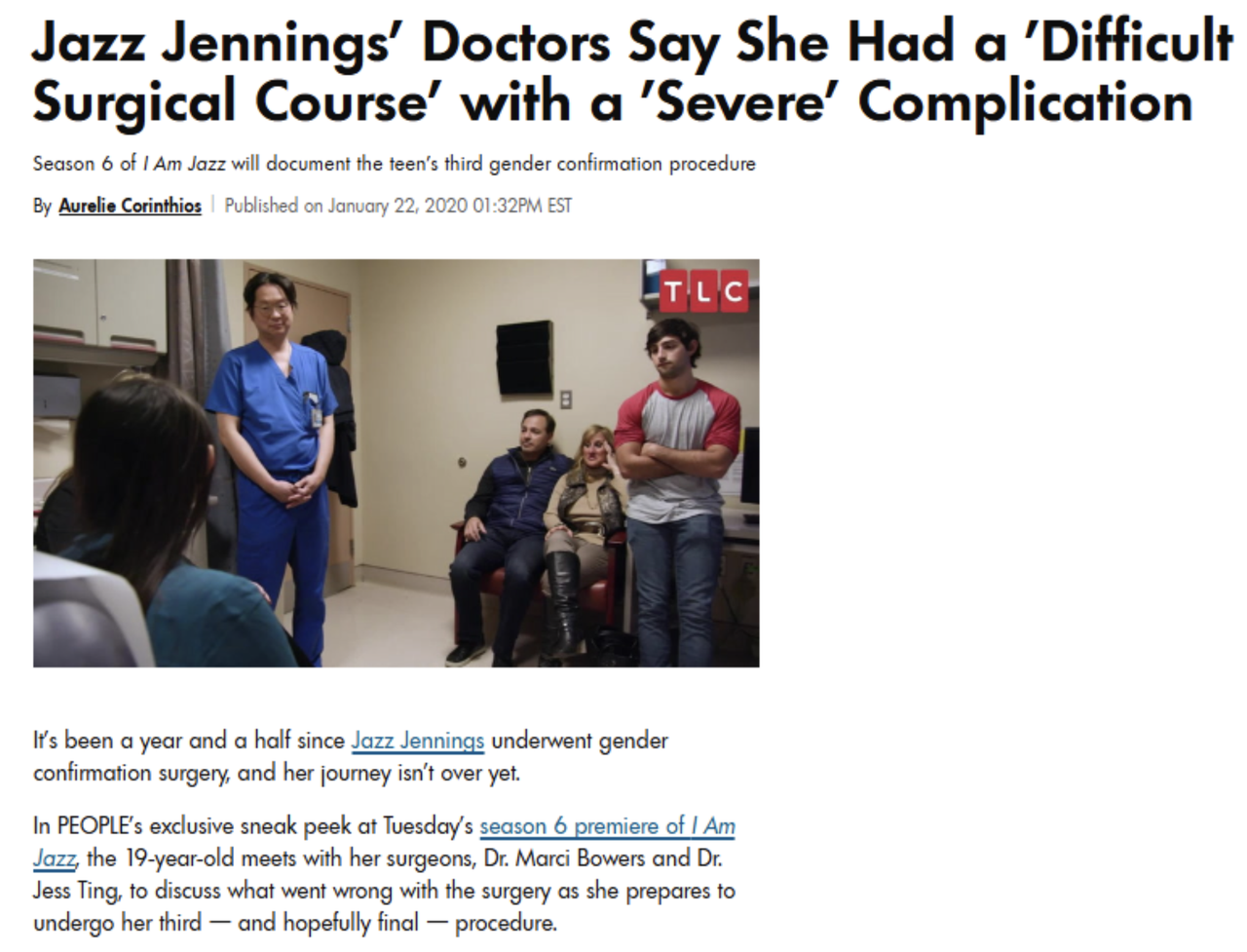

I don't know how many times I have to tell you.
I
DON'T
GIVE
A
fukk
Stop quoting me with your breaking news on the trans beat
Paige Winfield Cunningham
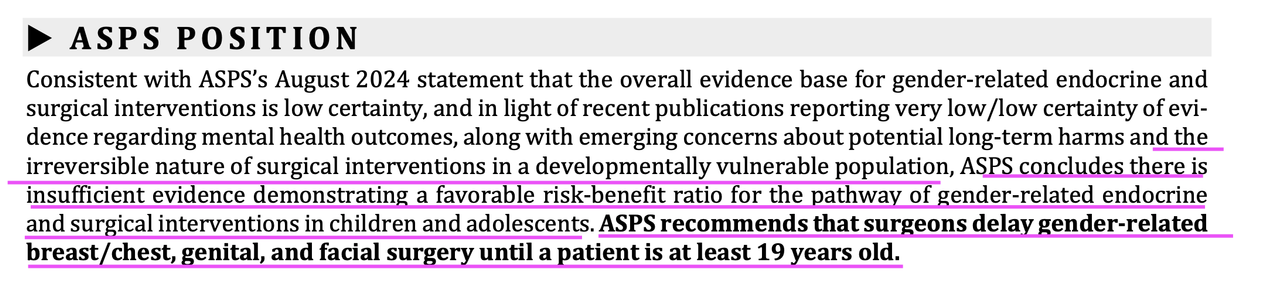
The American Society of Plastic Surgeons has issued a broad recommendation against gender transition surgeries for youths, becoming the first major medical association in the United States to narrow its guidance on pediatric gender care amid a crackdown by the Trump administration.
A statement sent Tuesday to the group’s 11,000 members and obtained by The Washington Post recommends surgeons delay gender-related chest, genital and facial surgery until a patient is at least 19 years old. Fewer than 1,000 minors in the United States receive such surgeries every year, according to research published in JAMA, the American Medical Association’s journal, and the vast majority of the procedures are mastectomies, not genital surgeries.
But there’s an intense debate over when young people should be able to get medical interventions as more have sought gender transition and some systematic reviews have suggested the evidence for the benefits and risks of pediatric transition is insufficient. Supporters of transition care for youths have pointed to the widespread endorsement by U.S. medical organizations.
“This is a vulnerable, adolescent population,” said Scot Bradley Glasberg, past president of ASPS who did not vote on the new guidance but has been involved in discussions about the group’s stance. “We are mindful that some of these surgeries are irreversible.”
Follow Health & wellness
The group, which represents plastic surgeons primarily in the U.S., has evolved its stance on the issue. In 2019, the group opposed attempts by states to restrict transition care and said “plastic surgery services can help gender dysphoria patients align their bodies with whom they know themselves to be and improve their overall mental health and well-being.” In August 2024, the group said it was crafting guidance for plastic surgeons, citing “considerable uncertainty” about the long-term benefits for chest and genital interventions.
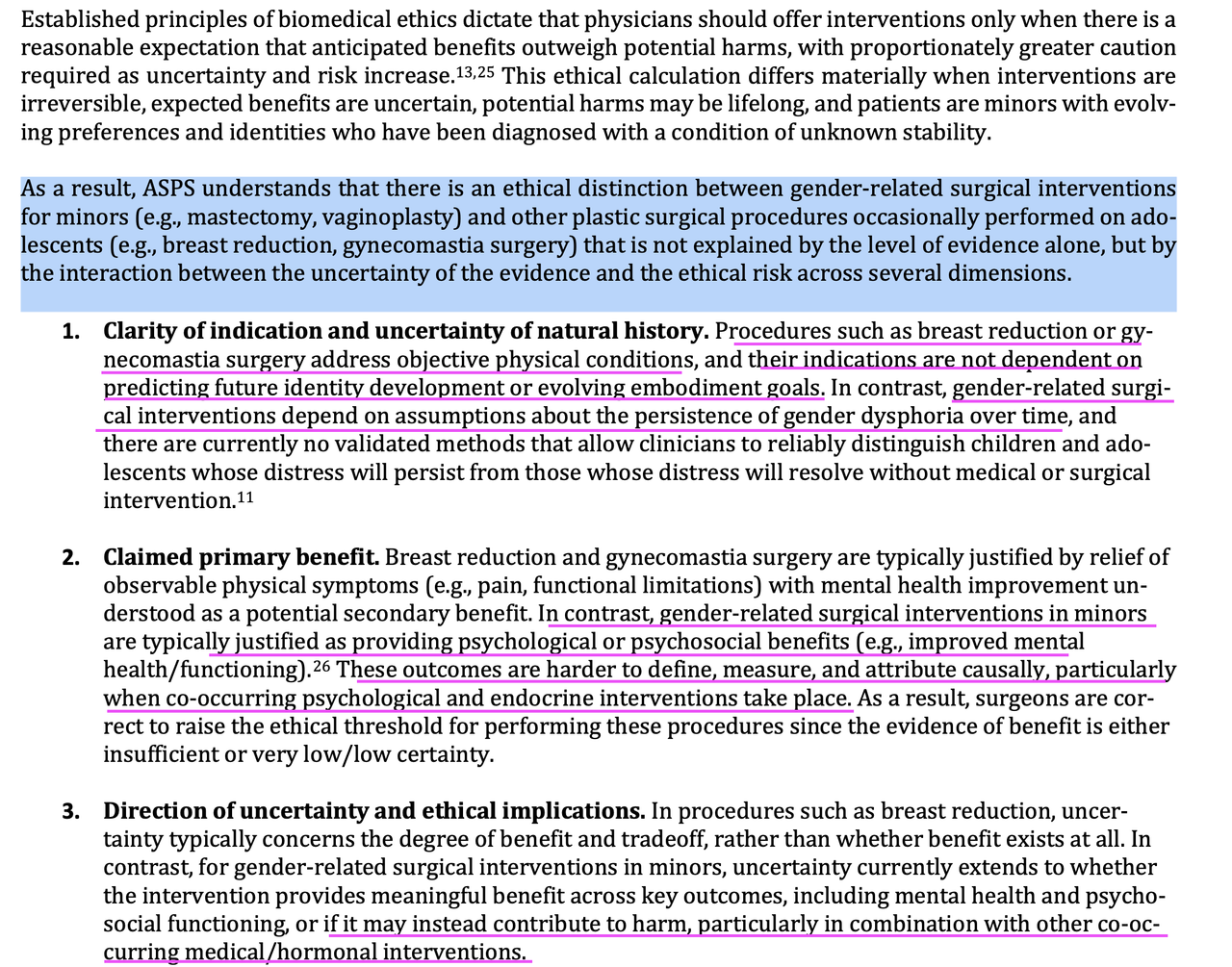
The new guidance says “there is insufficient evidence demonstrating a favorable risk-benefit ratio for the pathway of gender-related endocrine and surgical interventions in children and adolescents.” It cites “substantial uncertainty” about the long-term benefits and harms of hormones and puberty blockers more routinely prescribed for gender transition but does not give any specific recommendations for those treatments.
Health Secretary Robert F. Kennedy Jr., who is leading efforts to restrict medical interventions for youth gender transition, said in a statement that he commends the group for “standing up to the overmedicalization lobby and defending sound science.”
The Human Rights Campaign, an LGBTQ+ advocacy group, says in some rare cases, teenagers under 18 have received transition surgeries “in order to reduce the impacts of significant gender dysphoria, including anxiety, depression, and suicidality.”
The American Medical Association and the American Academy of Pediatrics recommend transition surgeries primarily for adults but say adolescents can receive them on a case-by-case basis.
Glasberg said the new recommendation is based on an evaluation of several recent reviews of evidence for pediatric gender medicine. He cited three systematic reviews by researchers at McMaster University in Ontario, who found evidence for the impact of puberty blockers and hormone therapy is limited and researchers need to conduct larger, longer-term randomized trials to assess the benefits or drawbacks of transition care for young people.
Glasberg also cited the Cass Review, a 2024 report in Britain that didn’t directly address surgeries but concluded evidence supporting the use of puberty blockers and hormone treatment is “remarkably weak.” The report led to England’s National Health Service banning the treatments for minors except in trials. The U.S. Department of Health and Human Services released a report reaching similar conclusions.
None of those reviews looked extensively at the effects of surgeries on young people. But Glasberg said the overall lack of evidence on pediatric gender care prompted ASPS to revise its position.
“There has been a continuing evolution of the data,” Glasberg said. “As each of these systematic reviews came out, we felt compelled to enhance the position we had previously taken.”
Glasberg said the group chose age 19 as the cutoff because it’s a “developmental landmark” when puberty has generally concluded. He pointed to FDA restrictions on getting silicone breast implants before age 22 because they can hinder breast development.
Debate over pediatric gender transition care has been deeply fraught as the ranks of young people seeking to transition have swelled in the U.S. and abroad. A number of countries, including Finland, Sweden and New Zealand, have shifted toward a more cautious approach on puberty blockers and hormones and for the most part don’t provide surgeries until someone is at least 18.
Nearly half the states in the U.S., all led by Republicans, have passed measures restricting pediatric transition services. In December, President Donald Trump’s administration proposed regulations to eject medical providers from major federal health insurance programs if they offer transition care to youths.
Leading medical associations in the U.S. have largely stuck by their broad endorsement of a range of transition care services for youths, including surgeries. Transition procedures can feminize or masculinize the face and include “top” surgeries where breasts can be removed or constructed, and, rarely, “bottom” surgeries including vaginoplasty or phalloplasty.
The World Professional Association for Transgender Health, which sets transgender care guidance, has supported surgeries in some circumstances and came under fire for excluding age minimums in its latest guidance.
WPATH proposed draft guidelines in 2021 that recommended age minimums of 14 for hormonal treatments, 15 for mastectomies, 16 for breast augmentation or facial surgeries and 17 for genital surgeries or hysterectomies.
But Biden administration officials asked WPATH to remove the age criteria, saying they feared it would threaten access to treatment and fuel state bans, according to unsealed court documents. The guidelines recommend patients reach “the age of adulthood” before getting surgery but say the specific age may vary based on where the patient lives and stress individualized treatment.
“We realize that we are potentially going in a different direction from other organizations,” Glasberg said. “We’re focused on the science, the data and the evidence going forward.”
Gender transition procedures nearly tripled from 2016 to 2020, largely among people in their teens and 20s, according to the JAMA research published in 2023. The vast majority got puberty blockers or hormones, and surgery was rare. Over the five years studied, 3,215 people under age 19 had chest surgery and 405 had genital surgery, according to the study, although the authors warned the numbers could be an undercount.
Glasberg said he has started performing more operations for people seeking a reversal of transition surgeries.
Last week, a jury in New York awarded $2 million in damages to a woman who, after detransitioning, sued her plastic surgeon for providing her with a mastectomy at age 16.

Pull Up the Roots
Talking? During horse head bookends?
Fox News Poll: Americans Prefer Democrats On Transgender Issues +22 Points
Virtually every subgroup surveyed—from mothers to Black voters to even rural white voters—expressed greater confidence in the Democratic Party’s handling of transgender issues in the latest poll.
 www.erininthemorning.com


Anti-transgender politics appears to be losing steam with American voters. That trend was already visible in November, when multiple candidates who centered their campaigns on anti-trans messaging were soundly defeated despite spending enormous sums on attack ads. Now, there is fresh evidence from an unlikely source. According to a new poll released Thursday by Fox News, voters say Democrats have a better approach to transgender issues by a wide margin—an outcome that suggests the years-long anti-trans panic may finally be wearing thin, at least among voters.
According to the latest Fox News poll, when respondents were asked which political party they believe would do a better job on transgender issues, 60 percent said Democrats, compared with just 38 percent who chose Republicans—a 22-point advantage. The result suggests a growing disconnect between how political leaders frame transgender issues and how voters actually respond to them. While the public holds a wide range of views on specific questions involving bathrooms, sports, and medical care, voters appear to find the Democratic approach on transgender issues significantly more palatable than the Republican one.
The breakdown among key demographic groups was even more striking. Black voters were among the strongest supporters of the Democratic Party’s approach to transgender issues, with 71 percent siding with Democrats compared with 28 percent favoring Republicans—a staggering 43-point margin. Every age group favored Democrats over Republicans, but support was strongest among voters under 45, where 65 percent backed Democratic policies versus 35 percent for Republicans, a 30-point gap. Even self-identified moderates broke heavily toward Democrats, with 63 percent supporting the Democratic platform compared with 32 percent backing the Republican one—a 31-point margin that underscores how broadly anti-trans messaging appears to be backfiring beyond the party base.
Perhaps most striking, voters typically assumed to lean Republican still favored Democrats on transgender issues. As expected, urban and suburban voters backed Democrats by wide margins—roughly 30 points—but rural voters also broke in Democrats’ favor. Even there, Democrats held a 10-point advantage. That shift suggests Republicans may be losing an advantage they long believed they held, based largely on assumptions about prejudice in rural areas. Notably, Democrats even led among white rural voters, 51 to 45 percent, indicating that the edge persists among groups often considered central to the Republican base.
Democrats also performed surprisingly well across most religious groups. They held an edge among Catholics—including white Catholics—as well as among Protestants. While those margins were narrower than in other demographics—about a 16-point advantage among Catholic voters—they are notable given that Trump carried many of these groups comfortably. Even among evangelical Christians, one of the few constituencies that still leaned Republican on transgender issues, support for the Democratic approach was substantial, with 41 percent siding with Democrats.
These numbers do not appear to be aberrations. Instead, they point to a growing problem for a Republican Party that has increasingly elevated anti-transgender policy into a central political strategy, pouring tens of millions of dollars into anti-trans advertising. That investment has not paid off. In places like Virginia and New Jersey, and in school board races across the country, Republicans were decisively defeated when targeting transgender people became a defining priority. Far from being a political liability, supporting transgender people may increasingly be an electoral asset. Democrats, if they choose to recognize it, can run openly on their supportive stances—and on exposing the cruelty of Republican policy—and be rewarded by voters for doing so.
Do yall realize how yall sound to the AVERAGE american voter?
@Pull Up the Roots 
Yo they dropped the hammer and called this bullshyt out



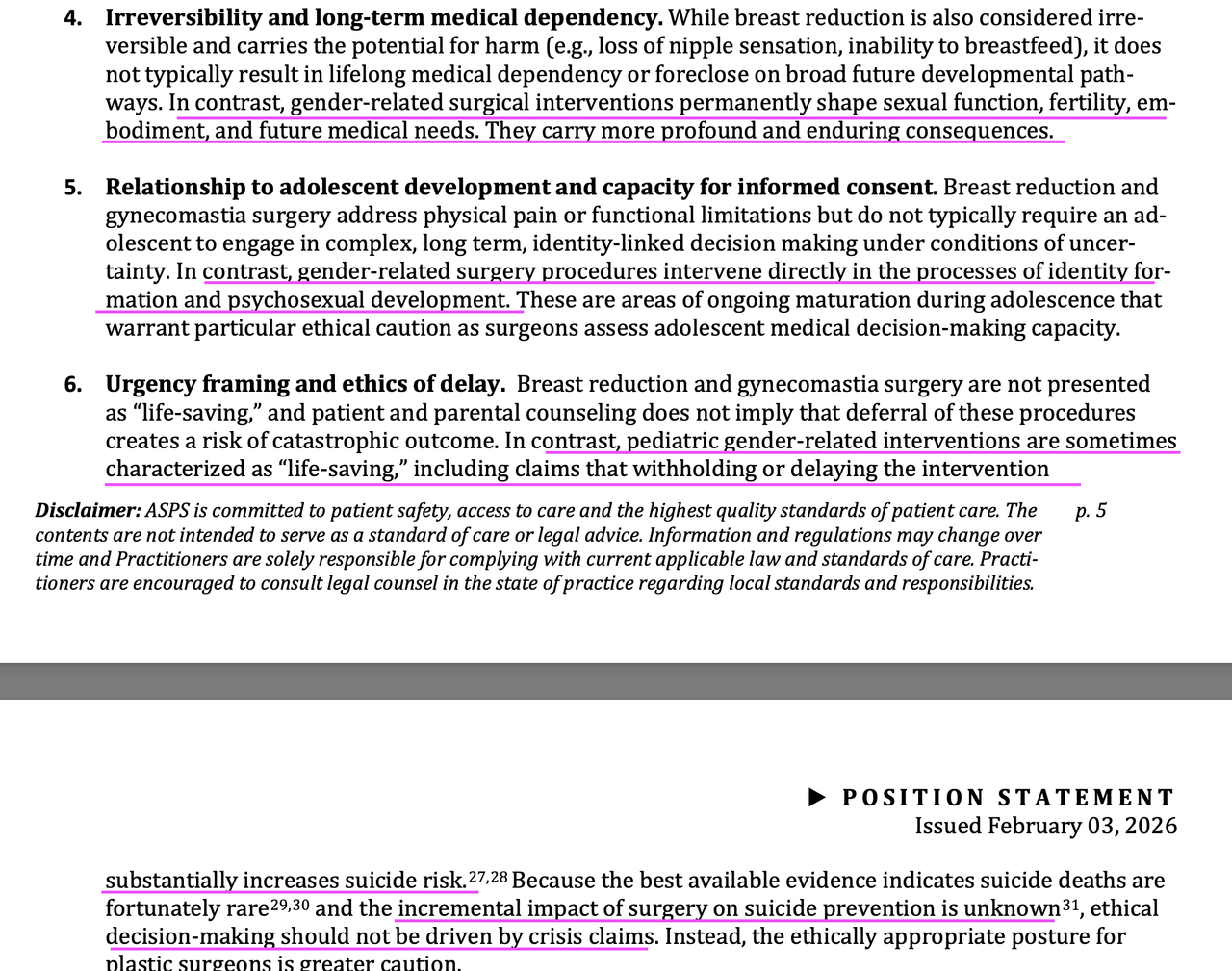
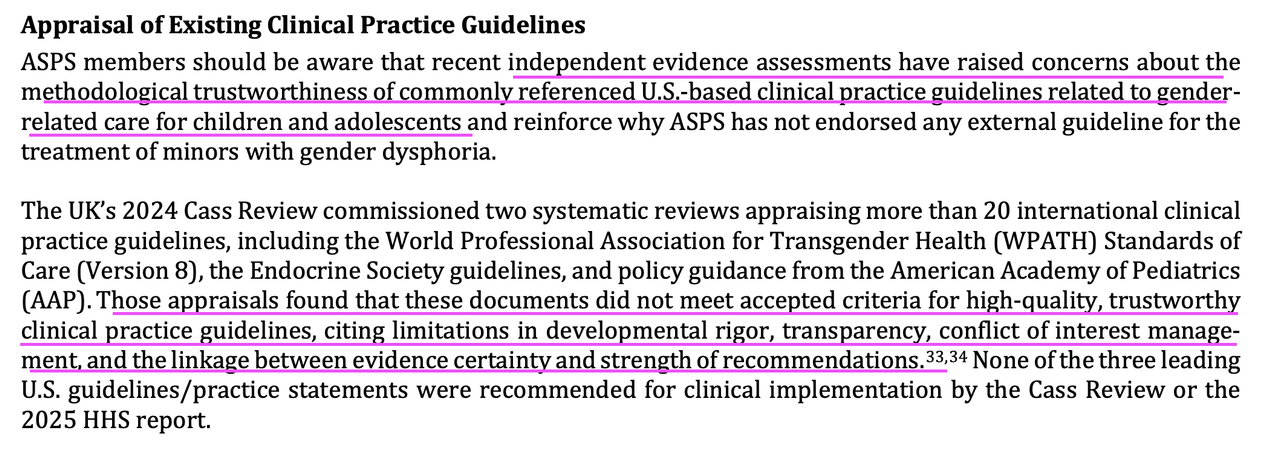
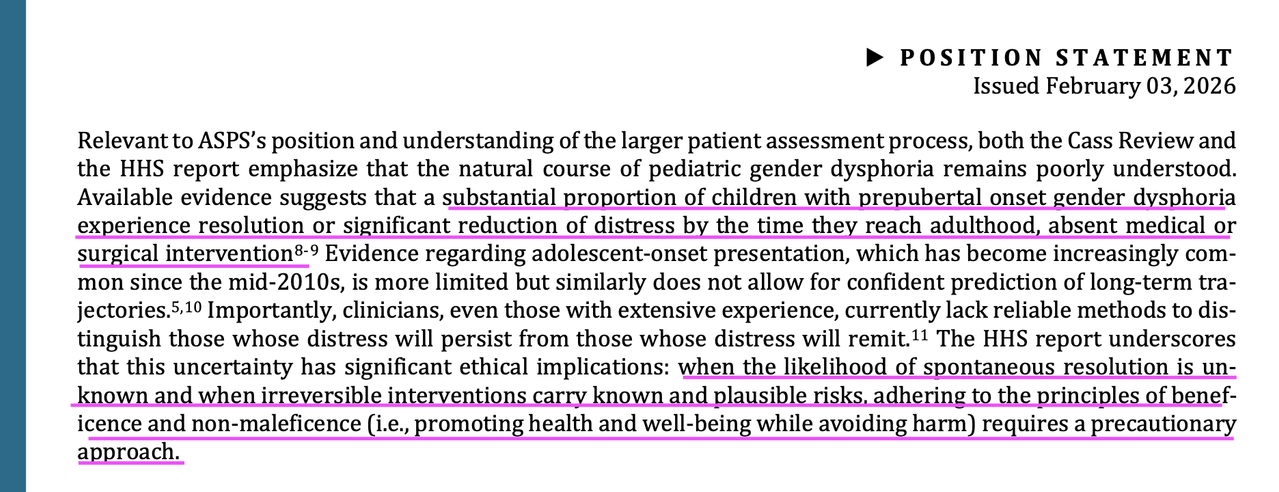

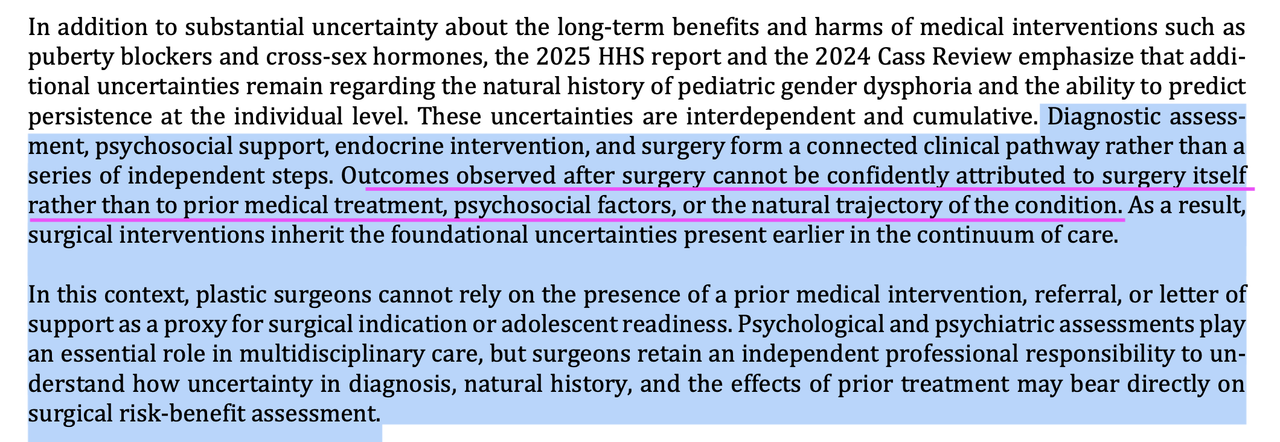

@A-dotty @Adeptus Astartes @dora_da_destroyer @Rekkapryde @Neo. The Only. The One. @the cac mamba @Uachet @Absolut @Sterling Archer @TheDarkCloud @Max Power @Pressure @Gloxina
Yo they dropped the hammer and called this bullshyt out
@A-dotty @Adeptus Astartes @dora_da_destroyer @Rekkapryde @Neo. The Only. The One. @the cac mamba @Uachet @Absolut @Sterling Archer @TheDarkCloud @Max Power @Pressure @Gloxina
Fox News Poll: Americans Prefer Democrats On Transgender Issues +22 Points
Virtually every subgroup surveyed—from mothers to Black voters to even rural white voters—expressed greater confidence in the Democratic Party’s handling of transgender issues in the latest poll.
Stop posting information from this sunk cost trans activist. It’s a conflict of interest and a statistical confounding error.

