While
Brown v. Board of Education is a widely known landmark Supreme Court case, few can trace its origins to the case of nine-year-old Sylvia Mendez in
Mendez v. Westminster.
Sylvia’s case, which was decided in the federal courts in California, preceded
Brown by about eight years. Thurgood Marshall represented Sylvia Mendez and Linda Brown. Marshall used some of the same arguments from
Mendez to win
Brown v. Board of Education.
Image credit:
U.S. Army Corps of Engineers
Los Angeles District
About Mendez v. Westminster
Sylvia Mendez, who received the
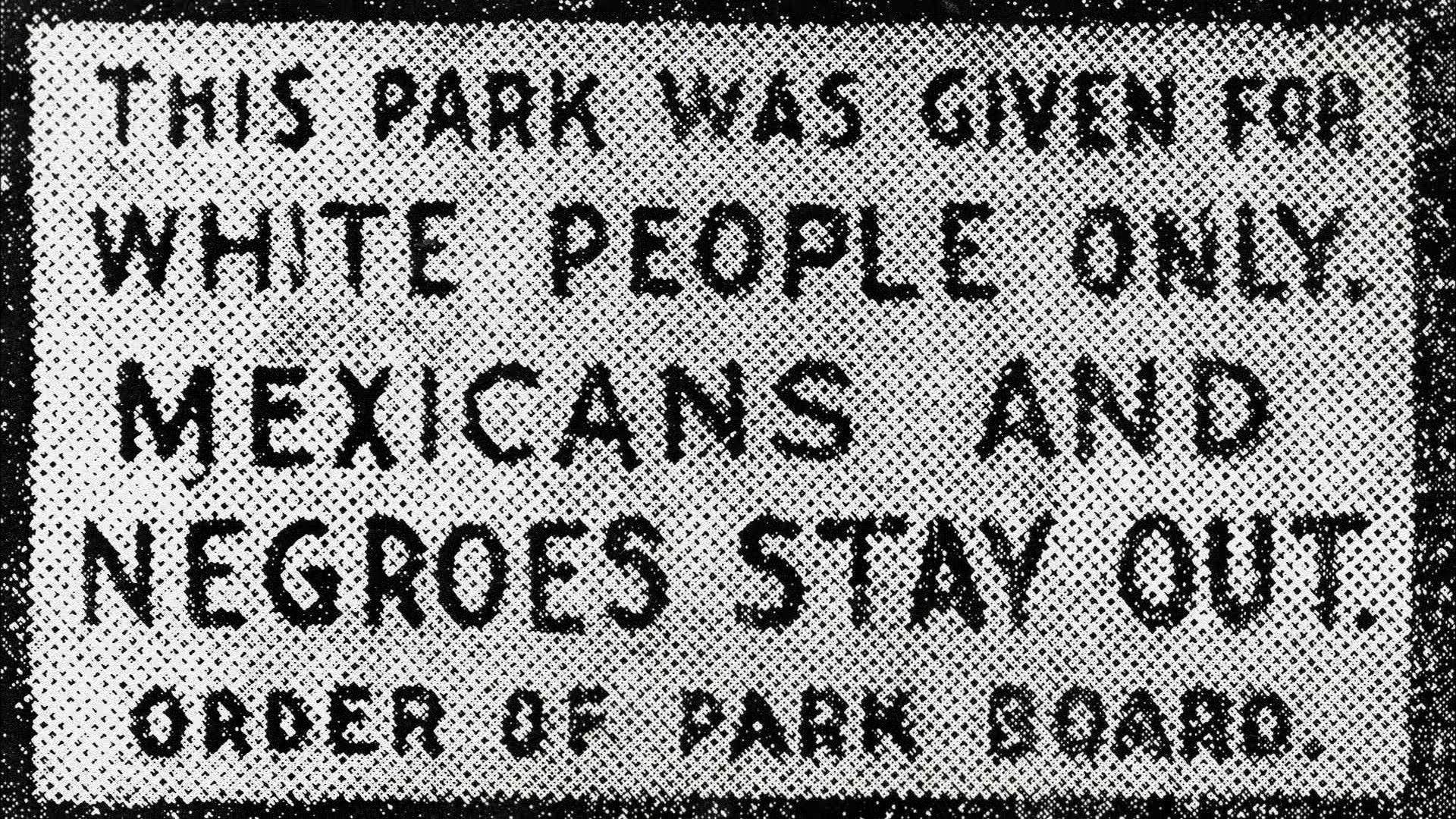
Presidential Medal of Freedom at a 2011 White House ceremony, was a child when she was turned away from a California public school for "whites only." That rejection fueled her father's determined journey through school, civic, and legal channels. Gonzalo Mendez, represented by a civil rights attorney, took four Los Angeles-area school districts to court and won a class action lawsuit at the trial and appellate levels of the federal court system.
Unusual Trial Evidence
During a two-week trial, the Mendez family's attorney David Marcus took the then-unusual approach of presenting social science evidence to support his argument that segregation resulted in feelings of inferiority among Mexican-American children that could undermine their ability to be productive Americans. U.S. District Court Judge Paul J. McCormick agreed with the plaintiffs and ordered that the school districts cease their "discriminatory practices against the pupils of Mexican descent in the public schools."
http://www.uscourts.gov/educational...-enactment/mendez-westminster-background.aspx