
New memory technology is 1,000 times faster
Intel and Micron have unveiled "3D XPoint" – a new memory technology that is 1,000 times faster than NAND and 10 times denser than conventional DRAM.
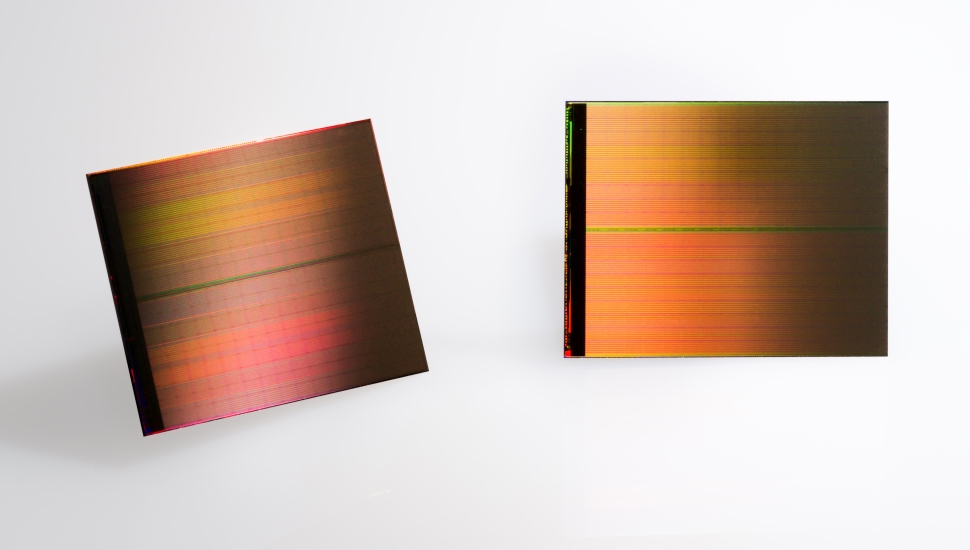
Intel Corporation and Micron Technology, Inc. have unveiled 3D XPoint technology, a non-volatile memory that has the potential to revolutionise any device, application or service that benefits from fast access to large sets of data. Now in production, 3D XPoint technology is a major breakthrough in memory process technology and the first new memory category since the introduction of NAND flash in 1989.
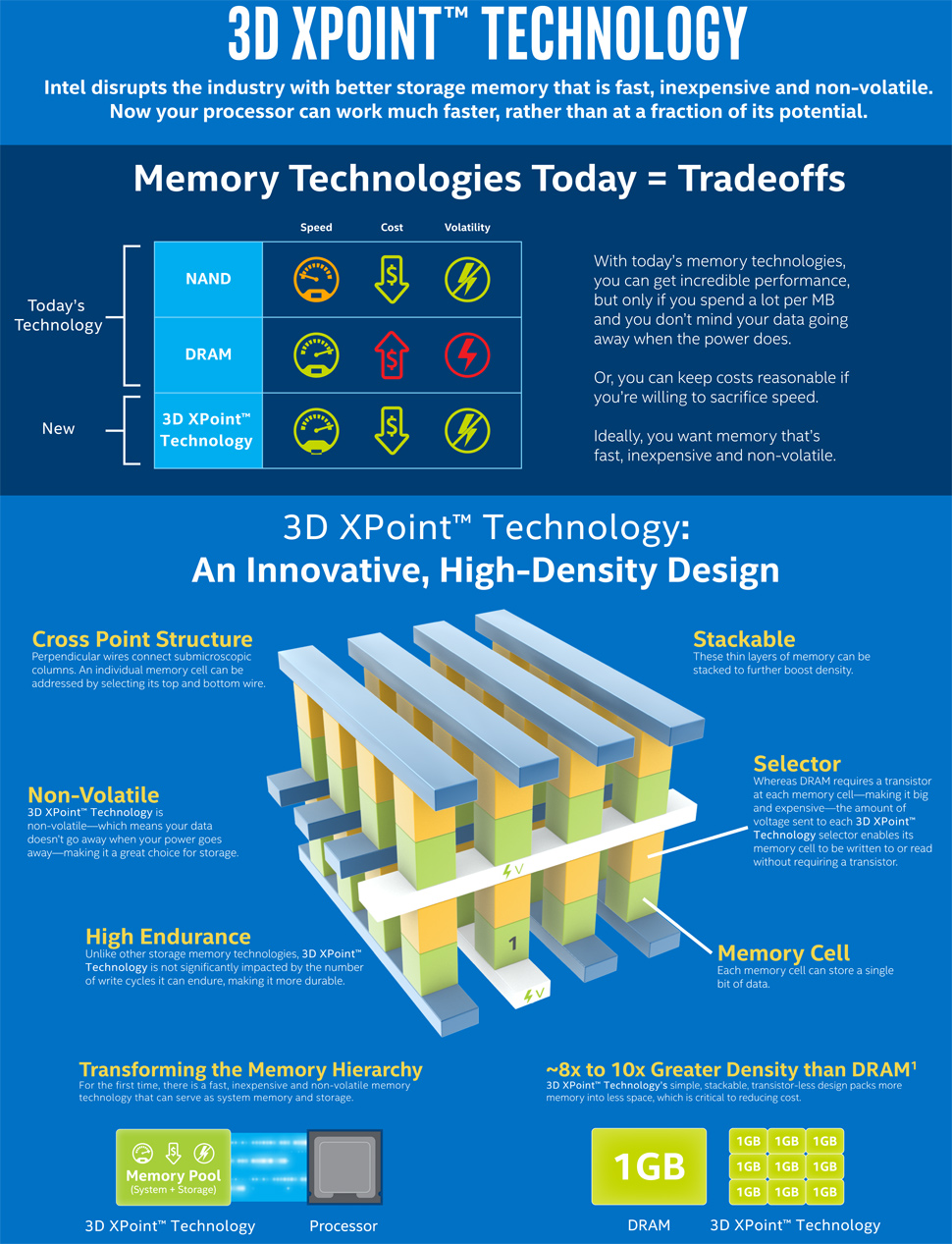
The explosion of connected devices and digital services is generating massive amounts of new data. To make this data useful, it must be stored and analysed very quickly, creating challenges for service providers and system builders who must balance cost, power and performance trade-offs when they design memory and storage solutions. 3D XPoint technology combines the performance, density, power, non-volatility and cost advantages of all available memory technologies on the market today. This technology is up to 1,000 times faster, with up to 1,000 times greater endurance than NAND, and is 10 times denser than conventional memory.
"For decades, the industry has searched for ways to reduce the lag time between the processor and data to allow much faster analysis," says Rob Crooke, senior vice president and general manager of Intel's Non-Volatile Memory Solutions Group. "This new class of non-volatile memory achieves this goal and brings game-changing performance to memory and storage solutions."
"One of the most significant hurdles in modern computing is the time it takes the processor to reach data on long-term storage," says Mark Adams, president of Micron. "This new class of non-volatile memory is a revolutionary technology that allows for quick access to enormous data sets and enables entirely new applications."
As the digital world balloons exponentially – from 4.4 zettabytes of data created in 2013, to an expected 44 zettabytes by 2020 – 3D XPoint technology can turn this immense amount of data into valuable information in nanoseconds. For example, retailers may use 3D XPoint technology to more quickly identify fraud detection patterns in financial transactions; healthcare researchers could process and analyse much larger data sets in real time, accelerating complex tasks such as genetic analysis and disease tracking.
The performance benefits of 3D XPoint technology could also enhance the PC experience, allowing consumers to enjoy faster interactive social media and collaboration as well as more immersive gaming experiences. The non-volatile nature of this technology also makes it a great choice for a variety of low-latency storage applications, since data is not erased when the device is powered off.
Following more than a decade of research and development, 3D XPoint technology was built from the ground up to address the need for non-volatile, high-performance, high-endurance and high-capacity storage and memory at an affordable cost. It ushers in a new class of non-volatile memory that significantly reduces latencies, allowing much more data to be stored close to the processor and accessed at speeds previously impossible for non-volatile storage.
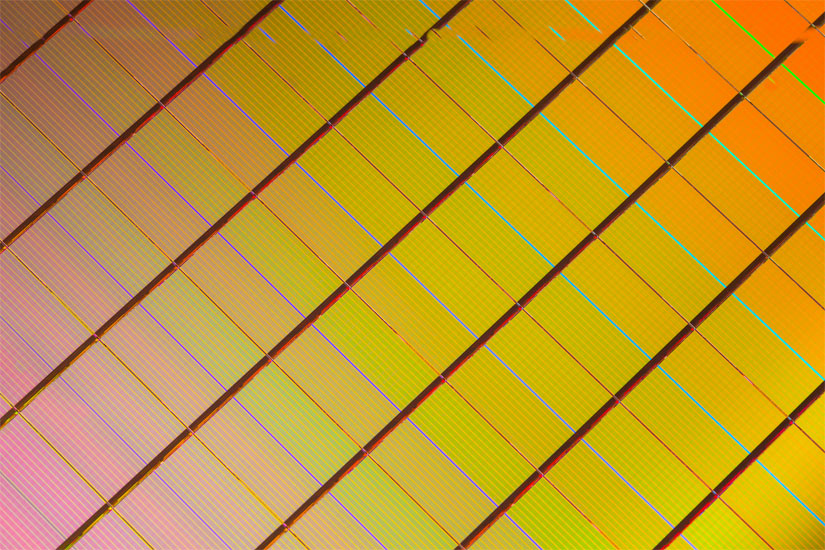
The innovative, transistor-less cross point architecture creates a three-dimensional checkerboard where memory cells sit at the intersection of word lines and bit lines, allowing the cells to be addressed individually. As a result, data can be written and read in small sizes, leading to faster and more efficient read/write processes.
3D XPoint technology will sample later this year with select customers, and Intel and Micron are developing individual products based on the technology.


 also obviously this will advance VR as well


