
Yea those 8 years are absolutely hell for them tho
Right. This is definitely short dude babble.

Yea those 8 years are absolutely hell for them tho

whales, sharks, elephants wtc. dont get cancer because of their specific genetics...
the reason why having lqrger organs increases chance of cancer in humans is simply because more cells = more chances for cells to become cancerous
i
This is true.
But I also wonder if just like having more cells raises chances of cancer by exponents, could it possibly be the same thing with cancer causing agents in our daily lives?
Like the food dye increases cancer, air pollution, processed meats, etc etc. All of these things along probably wouldn't result in an individual getting cancer, but everyday exposure to so many carcinogens can maybe increase negligible risks to statistically observable rises in cancer (exponentially).
Would humans growing up feral in the woods away from civilizations as a group "don't get cancer"?
This is the true convo of the thread. Thanks for the insight. Reppedyes, the exposure to all these carcinogens over a lifetime increases chance of cancer day by day year by year,.
as far as growing in up the woods or in greener less polluted environments:
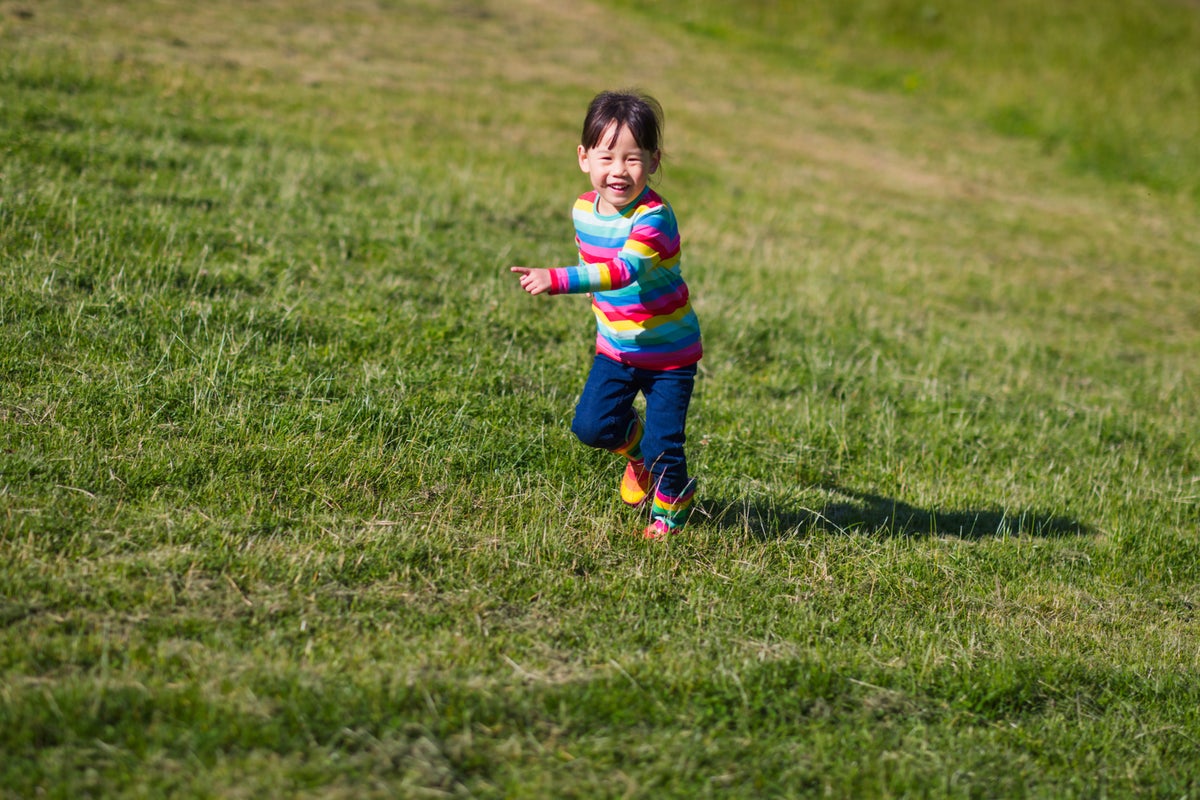
Children who grow up in greener areas develop better, study finds
Access to nature can help ensure social, emotional and mental wellbeing, researchers saywww.independent.co.uk

Children raised in greener areas have higher IQ, study finds
Research also found lower levels of difficult behaviour in rich and poor neighbourhoodswww.theguardian.com
Relationship between Urban Green Spaces and Cancer: A Scoping Review - PMC
This scoping study aims to explore the relationships between urban green spaces (UGSs) and the onset, remission and recovery of cancer. We followed the Preferred Reporting Items for Systematic Reviews and Meta-Analyses (PRISMA) extension for scoping ...www.ncbi.nlm.nih.gov

Living Near Urban Green Spaces Can Reduce Breast Cancer Risk
A study, published in the International Journal of Hygiene and Environmental Health, has found that living near urban green areas is linked to a lowered risk of breast cancer.womenshealth.com.au