What laundry detergent do u use?

seymour cake

All Star
Joined
May 7, 2012
Messages
3,530
Reputation
286
Daps
9,071
183374.jpg

unnamed-211.png


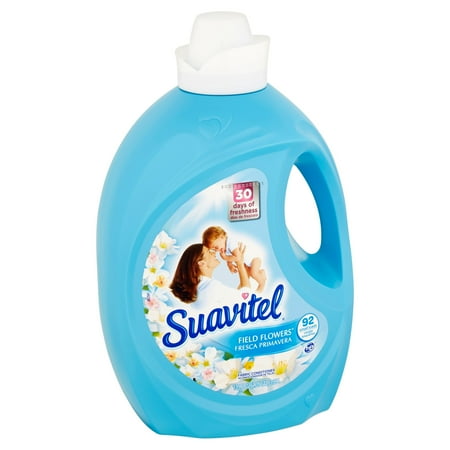
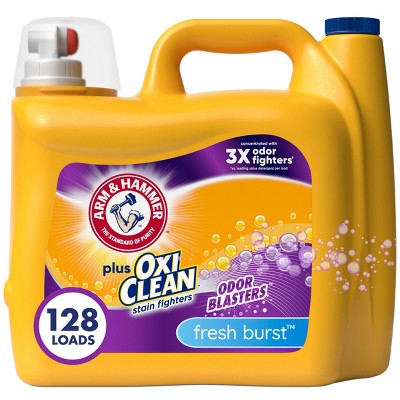
Them dollar store shyts:manny:
:scust:

Ya clothes aint getting clean with that shyt my boy.

 

Moich

Banned
Joined
Oct 31, 2017
Messages
866
Reputation
-1,045
Daps
1,001
ive been using tide and I think there’s nothing better, leaves a pleasant smell.

That pleasant smell is toxic and poisonous to our bodies, the environment and all living things.


" You can smell it when you walk down the laundry aisle. Sometimes it’s so bad you have to cover your nose.

All those perfumes!

It’s not just your imagination. In 2008, scientists reported on the toxic chemicals in laundry detergents and other laundry products.

Annmarie Skin Care readers were probably way ahead of them. Most of us know that with synthetic fragrance come chemicals that our body doesn’t care for (to put it lightly).

Since 2008, more chemicals found in common grocery store detergents have surfaced. In fact, we found seven more, and have listed them for you here, along with some healthier alternatives. You shouldn’t have to suffer asthma or dermatitis just to have clean clothes.

scientists find proof of what we’ve suspected

First, let’s look at that study. Researchers from the University of Washington studied top-selling laundry and air-freshening products and found that they emitted dozens of different chemicals. All of them gave off at least one identified as toxic or hazardous under federal laws!

Worse—none of these chemicals was listed on the label.

Among the products tested were a dryer sheet, a fabric softener, and a laundry detergent, as well as spray and plug-in air fresheners. Results showed nearly 100 volatile organic compounds (VOCs) emitted from the six products, and none were on the label. “Five of the six products emitted one or more carcinogenic ‘hazardous air pollutants,’ which are considered by the Environmental Protection Agency to have no safe exposure level,” said study author Anne Steinemann.

That’s not all. A later 2011 study by the same researchers found that air vented from machines using top-selling scented liquid laundry detergent and scented dryer sheets contained hazardous chemicals, including two classified as carcinogens.

For the study, researchers ran a load of laundry once with no products, once with a leading brand of scented liquid laundry detergent, and once with both the detergent and a dryer sheet. They captured the exhaust from the dryer vent with a canister.

An analysis of the captured air showed more than 25 VOCs, including seven hazardous air pollutants. The two carcinogens were acetaldehyde and benzene.

“These products can affect not only personal health,” said Steinemann, “but also public and environmental health. The chemicals can go into the air, down the drain and into water bodies.”

7 toxic chemicals in laundry detergents:

Let’s look more closely at what manufacturers are putting into laundry detergents that may not be good for our health:

  1. Fragrance: This is one of the main problems, and the focus of the two studies above. Manufacturers combine a number of chemicals to produce a fragrance—so you’ll believe your clothes are clean because they smell clean—and they don’t have to list those chemicals on the label because of trade protection. As we’ve seen, some of those chemicals can be very toxic.
  2. Cleaning agents (surfactants): These are included in the formula to help the product clean better. Examples include chemicals like quaternium-15 (known to release formaldehyde, a known carcinogen), diethanolamine (linked with skin and eye irritation and possibly liver problems), nonlphenol ethoxylate or NPE (toxic to nerves, irritating to skin, potential hormone disruptor, toxic to aquatic life), linear alkyl benzene sulfonates or LAS (irritating to skin and eyes and toxic to aquatic life; benzene on its own is a carcinogen), and petroleum distillates (linked to cancer and lung damage).
  3. Stabilizers: These chemicals help stabilize the formula, so that it lasts longer on the shelf. Examples include polyalkylene oxide or ethylene oxide, which are linked with eye and lung irritation, and even dermatitis.
  4. Bleach: Bleach may be used separately or may be included in the detergent itself. It’s known to irritate skin, eyes, and lungs, and when it mixes with wastewater, it can form toxic organic compounds that have been linked with respiratory issues, liver, and kidney damage.
  5. 1,4-dioxane: This is a chemical by-product of detergent manufacturing. In independent tests, Women’s Voices for the Earth found 89 parts per million (ppm) in Tide Free & Gentle and 63 ppm in regular Tide. They helped increase awareness, and Proctor & Gamble agreed to reformulate to reduce levels to below 25 ppm. Future tests should show whether they made good on that promise.
  6. Brighteners: You’ll find these in detergents advertising their “brightening” powers. Brighter whites! Brighter colors! What’s creating all this brightness? Chemicals that actually remain on the clothes to absorb UV light and help clothes “appear” brighter. We’re talking things like naphthotriazolystilbenes (linked with developmental and reproductive effects), benzoxazolyl, diaminostilbene disulfonate, and more. Since these remain on the clothes, they are likely to come into contact with skin.
  7. Phosphates & EDTA: Manufacturers use these to make detergents more effective in hard water, and to help prevent dirt from settling back on clothes when they’re washing. These chemicals have long been associated with environmental damage, particularly in our streams and waterways. They cause algae blooms that damage ecosystems. Many detergents have eliminated these, but they’re often using ethylene diamine tetraacetic acid (EDTA) in its place, which does not readily biodegrade, and has been found to be toxic in animal studies.
7 Toxic Chemicals in Laundry Detergent
 

Yinny

Retired
Joined
May 10, 2012
Messages
16,688
Reputation
3,911
Daps
43,147
Reppin
.
Tide free and clear

Used to use Dreft on my kids clothes. other than preserving his newborn smell it didn’t do too well actually cleaning
 
Top