Search feature disabled on my endWell then you ain't telling anybody anything they don't already know. May as well bush this thread, there's already a monkeypox thread.

You are using an out of date browser. It may not display this or other websites correctly.
You should upgrade or use an alternative browser.
You should upgrade or use an alternative browser.
Yo this monkeypox is no JOKE
- Thread starter Malcolmxxx_23
- Start date
More options
Who Replied?
Be promiscuous brehs

It's been real
God of Destruction | CatSet General



Stay safe:
How does someone become infected?
Once a human becomes infected with monkeypox, they can transfer the virus to another human through:
- respiratory droplets during prolonged face-to-face contact
- intimate physical contact, including kissing and sexual intercourse
- directly touching the infectious rash or body fluids of an infected person
- touching clothing, bedding, and other materials that have been in contact with an infected person’s rash or body fluids.
What can I do to prevent becoming infected with or spreading the monkeypox virus?
Take these steps to prevent infection with or the spread of the monkeypox virus:
Some smallpox vaccines can prevent monkeypox, including the ACAM2000 and Jynneos vaccines. These vaccines can be used to prevent monkeypox because smallpox and monkeypox are caused by related viruses.
- Avoid close contact with people who have a rash that looks like monkeypox.
- Avoid handling clothes, sheets, blankets or other materials that have been in contact with an infected animal or person.
- Isolate people who have monkeypox from healthy people.
- Wash your hands well with soap and water after any contact with an infected person or animal.
- Avoid animals that may carry the virus.
Health care providers may suggest that people who have been exposed to monkeypox get vaccinated. Some people who are at risk of being exposed to the virus in their work, such as lab workers, may get vaccinated too.
The CDC doesn't recommend that everyone get vaccinated against monkeypox at this time.
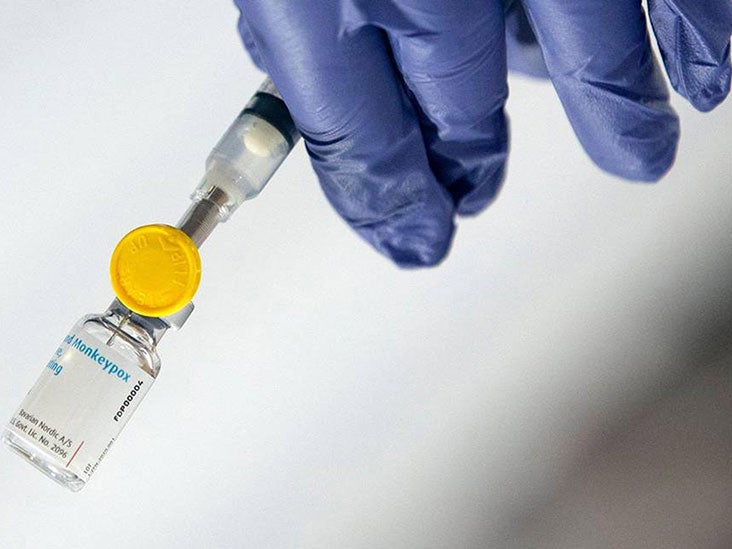
Monkeypox is a global health emergency: What to know
Here is what to know about the World Health Organization’s decision to declare monkeypox a global health emergency, and about how to stay safe.
 www.medicalnewstoday.com
Are Masks Effective Against Monkeypox?
According to Dr. Ostrovsky, masking is standard operating procedure for medical professionals, but it may not be necessary in a community setting.
"If you're taking care of a patient that had monkeypox we would require masking with N95s and gowns, gloves, eye protection, etc. Because again, we're dealing with body fluids, and we may be exposed to aerosols in close proximity," he said. "But at this point, I don't think there's enough evidence for requiring masking in the community for it."
For those that live with someone infected with monkeypox, that advice changes. Since prolonged, close-contact exposure heightens the likelihood of respiratory transmission, caregivers should consider masking—still with an N95, but surgical masks may work too—as well as limiting skin-to-skin contact with an infected person.
"I would mask, just as I would in a COVID case," said Noymer, who added that more effective preventative measures include frequently laundering bedding and clothing worn by infected people, disinfecting countertops, and cleaning toilets. The most recent cases have shown more concentrated lesions around rectal and genital areas, so anything in a restroom may need extra sanitation.
/Stocksy_txp29fac0d30hR300_Medium_2413236-42c379e7dbb844d6a45f9ebd9579d659.jpg)
Can Masks Help Prevent Monkeypox? What We Know So Far
Infectious disease experts weigh in on how much—if any—protection face masks can provide against monkeypox, and which modes of transmission are most common.www.health.com

Toe Jay Simpson
Searchin’
Alright now, y’all females keep messing with these nikkas out here weighing 110 lbs wearing tight pants and funny hair styles thinking that’s some sort of new and sexy thug style. These nikkas is telling you something and you not listening. He skinny cause he like to be handled that way. He got lots of dreads so they can be pulled and tugged on by somebody. He dressing dirty like a bum cause he dont stay in them clothes for long.
You can run the red lights but peep the street signs
You can run the red lights but peep the street signs

Scustin Bieburr
Baby baybee baybee UUUGH
Pharmaceutical companies eating off human carelessness and stupidity.
Is there a vaccine for this shyt? I'm not trying to take any MF chances.
Is there a vaccine for this shyt? I'm not trying to take any MF chances.


Peter Popoff
PROTECT YA NECK!! 🖕🏽🇺🇲

Pharmaceutical companies eating off human carelessness and stupidity.
Is there a vaccine for this shyt? I'm not trying to take any MF chances.
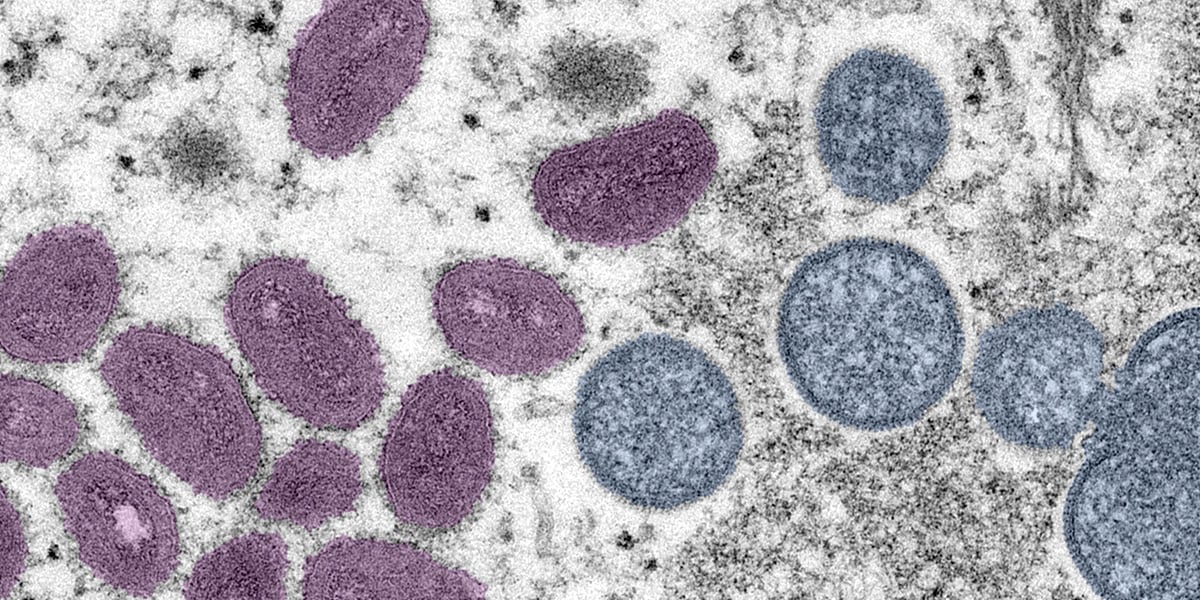

What You Need to Know
- Two vaccines may be used for the prevention of Monkeypox virus infection:
- JYNNEOS (also known as Imvamune or Imvanex), licensed (or approved) by the U.S. Food and Drug Administration (FDA) for the prevention of Monkeypox virus infection, and
- ACAM2000, licensed (or approved) by FDA for use against smallpox and made available for use against monkeypox under an Expanded Access Investigational New Drug application.
- In the United States, there is currently a limited supply of JYNNEOS, although more is expected in the coming weeks and months.
- There is a larger supply of ACAM2000, but this vaccine should not be used in people who have certain health conditions, such as a weakened immune system, skin conditions like eczema or other exfoliative skin conditions, or pregnancy.
- No data are available yet on the effectiveness of these vaccines in the current outbreak.
- The immune response takes 14 days after the second dose of JYNNEOS and 4 weeks after the ACAM2000 dose for maximal development. People who get vaccinated should continue to take steps to protect themselves from infection by avoiding close, skin-to-skin contact, including intimate contact, with someone who has monkeypox.
- To better understand the protective benefits of these vaccines in the current outbreak, CDC will collect data about adverse events and vaccine effectiveness, including whether the vaccine protects a person differently depending on how they were infected with Monkeypox virus.

Diondon
Thanks to the lawyers uh, I marbled the foyer
Them shyts were getting more brolic by the day 

Mordith
H.E.N.R.Y.
Being Married appreciation thread....

Kornball The Conqueror
Superstar
ass eaters