
You are using an out of date browser. It may not display this or other websites correctly.
You should upgrade or use an alternative browser.
You should upgrade or use an alternative browser.
Essential Official Android Thread
More options
Who Replied?

Like my mans said you are gonna flasha new modem/radio. Right now I have the hybrid 33/84 that allows me to have LTE on T-Mobile. Go here and read u on it.Maybe one of you modding/nexus 4 experts can help me.
Im trying to see if i can get my Nexus 4 to run at HSPA speeds, right now its running 3g but I remember at a point sometime ago I had an H in the notification bar.
I dont know if its because I modded my phone or if its a tower thing or what. I just wanna know if i can get back to those speeds
Maybe one of you modding/nexus 4 experts can help me.
Im trying to see if i can get my Nexus 4 to run at HSPA speeds, right now its running 3g but I remember at a point sometime ago I had an H in the notification bar.
I dont know if its because I modded my phone or if its a tower thing or what. I just wanna know if i can get back to those speeds
Yea like Mad said you are going to have to flash a different modem/radio. Right now I'm on T-mobile and running a hybrid radio 33/84, this radio is the old radio that had LTE enabled and the new radio released with Android 4.3. Go here and read more on and how to flash. http://forum.xda-developers.com/showthread.php?t=2087227

Do i have to get a modem
Thanks, just flashed it. I guess I just might not get 4g coverage at my crib, I'm gonna test it when I go out
Like my mans said you are gonna flasha new modem/radio. Right now I have the hybrid 33/84 that allows me to have LTE on T-Mobile. Go here and read u on it.
Yea like Mad said you are going to have to flash a different modem/radio. Right now I'm on T-mobile and running a hybrid radio 33/84, this radio is the old radio that had LTE enabled and the new radio released with Android 4.3. Go here and read more on and how to flash. http://forum.xda-developers.com/showthread.php?t=2087227
Thanks, just flashed it. I guess I just might not get 4g coverage at my crib, I'm gonna test it when I go out



Android Device Manager went live just now.
http://www.droid-life.com/2013/08/07/android-device-manager-is-now-live/
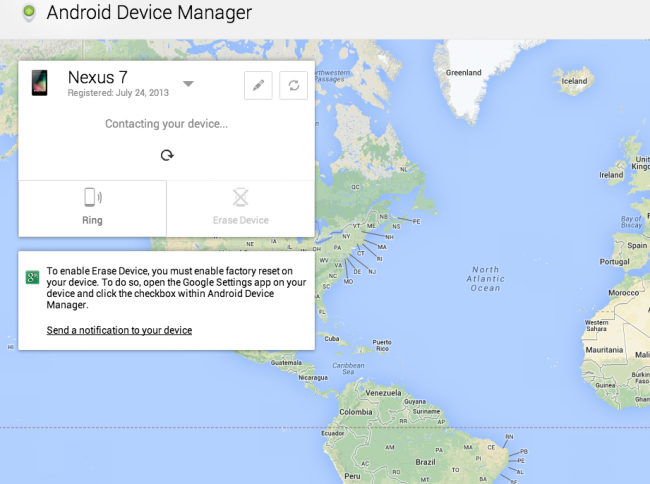
Works pretty well.
http://www.droid-life.com/2013/08/07/android-device-manager-is-now-live/
Works pretty well.

Ukbrotha
Superstar
Got the android device manager update. Nice and simple.

Top Motorola engineer defends Moto X specs (Q&A)
Q: There has been a lot of criticism out there about the Moto X, especially regarding the choice of the dual-core processor and the 720p resolution screen. Some disgruntled consumers say that dual core processor and 720p screen are last year's technology. I was wondering if you could explain why Motorola went in this direction.
Arshad: I'd agree that the two main things that I think people have misunderstood about the Moto X are the processor technology and display technologies.
I'll start with the processor technology. For one, we are not using last year's Qualcomm processor. It's this year's processor. It is a dual-core processor, but the thing people have to understand is that in mobile devices, more CPUs don't necessarily mean better or faster devices. In fact, in most instances no more than two CPUs are being used at any given time. In order to save power, the algorithms controlling the device are often trying to turn off CPUs.
In the stress tests we have conducted on competing devices, we launched 24 websites at once on the device, and none of the devices used more than two CPUs at once to do this. So more than 90 percent of the time, the additional "cores" on the CPUs are turned off, so even if you have a quad core or an octa core device, not all of that computing power is used at once.
So that's the first thing that is misunderstood. This is not last year's processor. The other thing people don't understand is that we have dedicated processors that are handling some functions, too.
This is where the X8 chipset design comes in, correct?
Arshad: Yes, we are using the fastest dual-core processor from Qualcomm for general purpose computing. And then we have other processors like a graphics processor and the dedicated natural language and contextual computing processors that handle other functions. This helps speed up performance, but also ensures a long battery life.
To really understand why we made these design choices, you have to understand our philosophy. With the Moto X, we are redefining how mobile devices operate. Our belief is that the future of mobile devices is about smart computing. It's not just about doing calculations anymore, but developing devices that make intelligent decisions. And that requires fundamental changes in the architecture of the devices.
If you think about it, the market has been relatively stagnant. Everything is built on these standard chips and displays. And we are all trained to respond to those small incremental changes in these components. But Motorola's vision is to really change how smartphones work. The small computers we carry around in our pockets aren't really "smart." I mean what can you do with the Samsung Galaxy S3 that you can't do with the Galaxy S4? The answer is nothing.
We aren't developing technology for technology's sake. But we are trying to make mobile computing more intelligent. And we want to change the way people interact with devices to make the devices fit better into people's lifestyles. And we want to do all this without sacrificing battery life.
How does the different architecture allow you to do something unique?
Arshad: We have come up with a new processing architecture that allows us to do things like touchless control without sacrificing battery power. For a Samsung or HTC device to offer the same kind of functionality would require three batteries. And that is the reason why no one else has done touchless control. Nobody has done it because it kills the device's battery life.
None of those other processors could do all the noise cancellation and offer the same level of intelligence and still be low power. What we have done with the Moto X has not been done before. It's the world's first. And we think it will change the way people make phone calls and use their phones.
So you feel like the potential benefits and break through technology of the Moto X is misunderstood?
Arshad: It's hard because people are programmed by the industry to look at things like how many cores a chip has or whether the display is 1080p. That's how chip and display manufacturers differentiate their products. But we've spent thousands of engineering hours building a new kind of processing architecture that will really change how people use their phones.
So it's hard to understand because you're comparing architectures that are fundamentally different. It's kind of like people who are looking at a Tesla electric car and expecting it to have a V-8 engine. When you talk about an electric motor it's hard for people who are used to comparing specs on traditional cars to understand how it truly compares, because it's completely different.
So people who are trained to look at processor cores, the number of pixels per inch and whether or not it has a 1080p screen resolution, have no frame of reference.
That leads me to the criticism about the screen resolution. Why Motorola decide to go with a lower resolution? I mean it seems like every other high-end smartphone, including the new LG G2 that was just introduced today, has a 1080p screen. And when it comes to pixels per square inch, the Galaxy S4 has the Moto X beat.
Arshad: First of all, what Samsung has done with the GS4 screen is not true 1080p. Instead, Samsung is using a PenTile display. Each pixel is made up of three color sub pixels. It's missing one of the pixels. We are using a true RGB pattern custom display that gives true color reproduction without wasting battery life.
Samsung is using a graphics processor, but they're using it the wrong way and their performance is actually worse than ours. They are burning more battery life. In the case of HTC, they're using an LCD screen, which is simply an inferior technology.
Also, the human eye cannot discern resolution beyond 300 pixels per inch. And we exceed that. So the eye can't even see the difference. But the human eye can see big differences in color saturation and reproduction. In fact, I'd say that is even more important than resolution. So we decided to focus on that aspect instead.
Some people have also been disappointed that the Moto X will ship with the previous version of Android 4.2.2 instead of the newer 4.3. But Motorola is owned by Google, so why won't Motorola's flagship phone just ship with the latest software?
Arshad: The Android team is separate from Motorola. Motorola is an independent business within Google. The Android team works with partners in the Nexus program. And there is a strict firewall that separates Motorola from the Android team. Google wants to make sure that everyone in the ecosystem is treated equally.
In other words, being owned by Google gives us a great opportunity to build devices like the Moto X, but it doesn't give us an advantage or access to the software before any other Nexus partners. We saw a huge opportunity to deliver Android and Google services in the way that Android was meant to be, while also changing the way mobile computing is done.
That is what separates us from the pack. Our competitors are adding software features on top of Android that doesn't really matter. And it often hurts performance of the device. So when they layer on all this extra software on top of Android it gives consumers a bad user experience. And it creates different settings for the device adding a level complexity that makes it more time consuming and difficult to upgrade the software.
Q: There has been a lot of criticism out there about the Moto X, especially regarding the choice of the dual-core processor and the 720p resolution screen. Some disgruntled consumers say that dual core processor and 720p screen are last year's technology. I was wondering if you could explain why Motorola went in this direction.
Arshad: I'd agree that the two main things that I think people have misunderstood about the Moto X are the processor technology and display technologies.
I'll start with the processor technology. For one, we are not using last year's Qualcomm processor. It's this year's processor. It is a dual-core processor, but the thing people have to understand is that in mobile devices, more CPUs don't necessarily mean better or faster devices. In fact, in most instances no more than two CPUs are being used at any given time. In order to save power, the algorithms controlling the device are often trying to turn off CPUs.
In the stress tests we have conducted on competing devices, we launched 24 websites at once on the device, and none of the devices used more than two CPUs at once to do this. So more than 90 percent of the time, the additional "cores" on the CPUs are turned off, so even if you have a quad core or an octa core device, not all of that computing power is used at once.
So that's the first thing that is misunderstood. This is not last year's processor. The other thing people don't understand is that we have dedicated processors that are handling some functions, too.
This is where the X8 chipset design comes in, correct?
Arshad: Yes, we are using the fastest dual-core processor from Qualcomm for general purpose computing. And then we have other processors like a graphics processor and the dedicated natural language and contextual computing processors that handle other functions. This helps speed up performance, but also ensures a long battery life.
To really understand why we made these design choices, you have to understand our philosophy. With the Moto X, we are redefining how mobile devices operate. Our belief is that the future of mobile devices is about smart computing. It's not just about doing calculations anymore, but developing devices that make intelligent decisions. And that requires fundamental changes in the architecture of the devices.
If you think about it, the market has been relatively stagnant. Everything is built on these standard chips and displays. And we are all trained to respond to those small incremental changes in these components. But Motorola's vision is to really change how smartphones work. The small computers we carry around in our pockets aren't really "smart." I mean what can you do with the Samsung Galaxy S3 that you can't do with the Galaxy S4? The answer is nothing.
We aren't developing technology for technology's sake. But we are trying to make mobile computing more intelligent. And we want to change the way people interact with devices to make the devices fit better into people's lifestyles. And we want to do all this without sacrificing battery life.
How does the different architecture allow you to do something unique?
Arshad: We have come up with a new processing architecture that allows us to do things like touchless control without sacrificing battery power. For a Samsung or HTC device to offer the same kind of functionality would require three batteries. And that is the reason why no one else has done touchless control. Nobody has done it because it kills the device's battery life.
None of those other processors could do all the noise cancellation and offer the same level of intelligence and still be low power. What we have done with the Moto X has not been done before. It's the world's first. And we think it will change the way people make phone calls and use their phones.
So you feel like the potential benefits and break through technology of the Moto X is misunderstood?
Arshad: It's hard because people are programmed by the industry to look at things like how many cores a chip has or whether the display is 1080p. That's how chip and display manufacturers differentiate their products. But we've spent thousands of engineering hours building a new kind of processing architecture that will really change how people use their phones.
So it's hard to understand because you're comparing architectures that are fundamentally different. It's kind of like people who are looking at a Tesla electric car and expecting it to have a V-8 engine. When you talk about an electric motor it's hard for people who are used to comparing specs on traditional cars to understand how it truly compares, because it's completely different.
So people who are trained to look at processor cores, the number of pixels per inch and whether or not it has a 1080p screen resolution, have no frame of reference.
That leads me to the criticism about the screen resolution. Why Motorola decide to go with a lower resolution? I mean it seems like every other high-end smartphone, including the new LG G2 that was just introduced today, has a 1080p screen. And when it comes to pixels per square inch, the Galaxy S4 has the Moto X beat.
Arshad: First of all, what Samsung has done with the GS4 screen is not true 1080p. Instead, Samsung is using a PenTile display. Each pixel is made up of three color sub pixels. It's missing one of the pixels. We are using a true RGB pattern custom display that gives true color reproduction without wasting battery life.
Samsung is using a graphics processor, but they're using it the wrong way and their performance is actually worse than ours. They are burning more battery life. In the case of HTC, they're using an LCD screen, which is simply an inferior technology.
Also, the human eye cannot discern resolution beyond 300 pixels per inch. And we exceed that. So the eye can't even see the difference. But the human eye can see big differences in color saturation and reproduction. In fact, I'd say that is even more important than resolution. So we decided to focus on that aspect instead.
Some people have also been disappointed that the Moto X will ship with the previous version of Android 4.2.2 instead of the newer 4.3. But Motorola is owned by Google, so why won't Motorola's flagship phone just ship with the latest software?
Arshad: The Android team is separate from Motorola. Motorola is an independent business within Google. The Android team works with partners in the Nexus program. And there is a strict firewall that separates Motorola from the Android team. Google wants to make sure that everyone in the ecosystem is treated equally.
In other words, being owned by Google gives us a great opportunity to build devices like the Moto X, but it doesn't give us an advantage or access to the software before any other Nexus partners. We saw a huge opportunity to deliver Android and Google services in the way that Android was meant to be, while also changing the way mobile computing is done.
That is what separates us from the pack. Our competitors are adding software features on top of Android that doesn't really matter. And it often hurts performance of the device. So when they layer on all this extra software on top of Android it gives consumers a bad user experience. And it creates different settings for the device adding a level complexity that makes it more time consuming and difficult to upgrade the software.
Another criticism of the product is the fact that it doesn't have a changeable battery. Why didn't Motorola design the device so that you could switch out the battery?
Arshad: There are many reasons for this. But the biggest is that in order to deliver the design and in order to give the phone its curved back we couldn't have a removable back on the device. There are a lot physical design issues to consider when you make the back removable. This includes the type of material that is used and the radio frequency technology. I guess if we had wanted to design a cheaper feeling plastic phone that maybe would have had some gaps in the hardware design, we could have done that. But we didn't want that type of design. And the truth is that only a small percentage of people are actually willing to carry around a second battery. There are other devices that have made this design choice as well. The HTC one and Apple iPhone for example don't have the removable battery either.
There are also some people who have been critical of the fact that this device doesn't have any expandable memory card slot. And since the version sold initially through U.S. carriers will only support 16GB of on device storage, people have complained it would have been nice to have the option to add more storage to the device for pictures, music and other media.
Arshad: There are a lot of issues that come into play when you start offloading storage on external memory. You have to decide what to store where. We thought for the mass market it would be cleaner and more straightforward to not have people moving content back and forth on the device. We wanted to make the device as simple and easy to use as possible.
One of the more interesting aspects of the Moto X is the fact that customers will be able to customize the device to some extent through the Moto Maker website and in-store tools. Right now, it seems like all that's really customizable is the color on the back cover and the trim. And you can also choose between a 16GB version of the phone and a 32GB version. But I was wondering if, in the future, Motorola might also allow people to build their own device by customizing things, such as RAM, screen size, screen resolution, or processor speed?
Arshad: I can't say anything specific about that now. But I can say that because mobile phones must use antenna and there can be radio frequency issues, the way a phone is designed and laid out means it can be very sensitive. We do have a road map for extending the capabilities of the device and customization in the future, but I'll talk about that in the future.
Arshad: There are many reasons for this. But the biggest is that in order to deliver the design and in order to give the phone its curved back we couldn't have a removable back on the device. There are a lot physical design issues to consider when you make the back removable. This includes the type of material that is used and the radio frequency technology. I guess if we had wanted to design a cheaper feeling plastic phone that maybe would have had some gaps in the hardware design, we could have done that. But we didn't want that type of design. And the truth is that only a small percentage of people are actually willing to carry around a second battery. There are other devices that have made this design choice as well. The HTC one and Apple iPhone for example don't have the removable battery either.
There are also some people who have been critical of the fact that this device doesn't have any expandable memory card slot. And since the version sold initially through U.S. carriers will only support 16GB of on device storage, people have complained it would have been nice to have the option to add more storage to the device for pictures, music and other media.
Arshad: There are a lot of issues that come into play when you start offloading storage on external memory. You have to decide what to store where. We thought for the mass market it would be cleaner and more straightforward to not have people moving content back and forth on the device. We wanted to make the device as simple and easy to use as possible.
One of the more interesting aspects of the Moto X is the fact that customers will be able to customize the device to some extent through the Moto Maker website and in-store tools. Right now, it seems like all that's really customizable is the color on the back cover and the trim. And you can also choose between a 16GB version of the phone and a 32GB version. But I was wondering if, in the future, Motorola might also allow people to build their own device by customizing things, such as RAM, screen size, screen resolution, or processor speed?
Arshad: I can't say anything specific about that now. But I can say that because mobile phones must use antenna and there can be radio frequency issues, the way a phone is designed and laid out means it can be very sensitive. We do have a road map for extending the capabilities of the device and customization in the future, but I'll talk about that in the future.

Android Keeps Obliterating Smartphone Market; BlackBerry Hits New Lows
While Google’s Android operating system continues to distance itself from the competition in the world-wide smartphone market, one-time market leader BlackBerry is reaching new lows.
Android’s market share jumped to 79.3 percent in the second quarter, from 69.1 percent a year earlier helped in large part to a rush of new phones from Chinese handset makers.

Verizon Confirms Plans to Carry LG G2, Posts First Picture of the Device With 3 VZW Logos
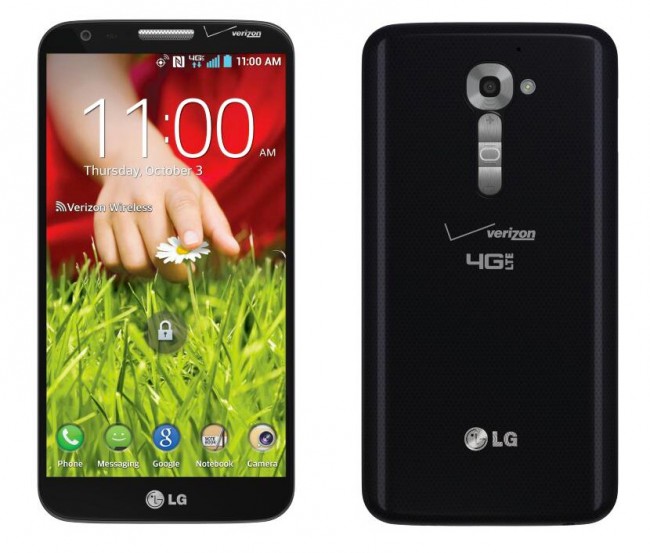
This afternoon, Verizon confirmed their plans to carry the freshly announced LG G2. LG mentioned during a press event today, that they would push their new flagship out to the four major U.S. carriers, but we were still waiting for Big Red to officially acknowledge that they were a part of those plans. Thanks to Twitter, they have gone ahead and stated their intentions, while also showing a press image of their specific variant of the phone. As you can tell, LG did not have the same kind of pull as Motorola did with the Moto X when it came to branding. We’ve got two LG logos and three Verizon-related marks. Woof.
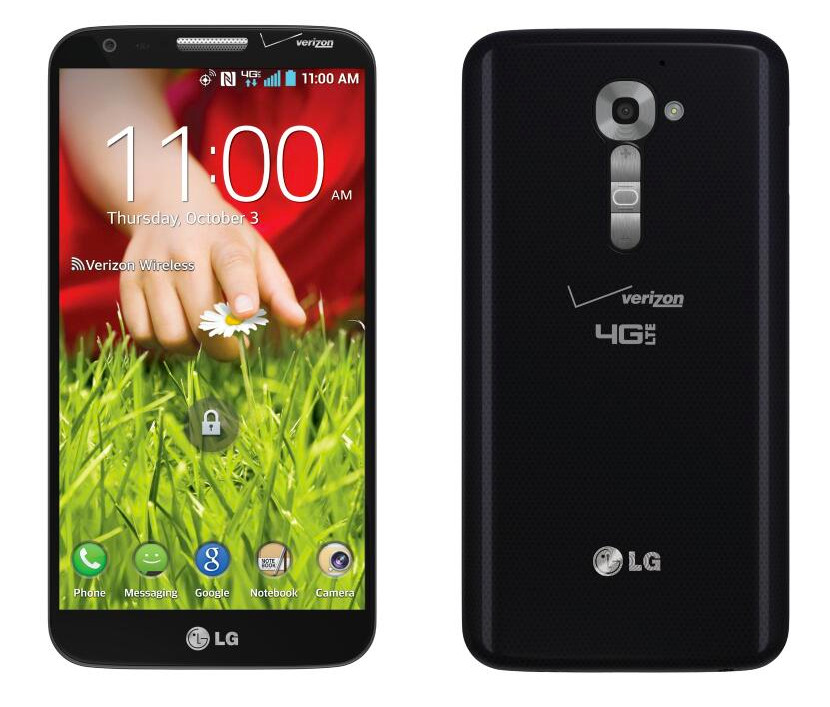
This afternoon, Verizon confirmed their plans to carry the freshly announced LG G2. LG mentioned during a press event today, that they would push their new flagship out to the four major U.S. carriers, but we were still waiting for Big Red to officially acknowledge that they were a part of those plans. Thanks to Twitter, they have gone ahead and stated their intentions, while also showing a press image of their specific variant of the phone. As you can tell, LG did not have the same kind of pull as Motorola did with the Moto X when it came to branding. We’ve got two LG logos and three Verizon-related marks. Woof.
[APK Teardown] Google Chromecast App - News, Offers, and Google+ Photo Backgrounds, And An Old 'Universal' Remote
Chromecast is one of the slicker devices to come out of Google HQ in a while. After you're all set up, just tap a button on YouTube or Netflix, and BAM, whatever you were watching is now on your television. It's really awesome. For the researchy-types like me, the Chromecast comes with two piece of software to dig through. The first is the physical device software, which, while it is sort-of Android based, it's only Android-based at the low level. While that has some interesting things going on like dev and beta channels, there aren't any APKs to decompile, so it's really not my department. There's also the Android companion app, which is much more my style. It contains a few eyebrow-raising entries, which hopefully give us a look at the future of Chromecast. More Backgrounds 2013-08-07-12.30 When the Chromecast isn't displaying any content, it drops into this "ready to cast" mode. Rather than display a boring "ready" message, the developers decided to make it look pretty by having it cycle through background pictures. Internally this mode is referred to as "IMAX." I guess the Googlers have really big televisions. It looks like the Chromecast devs have (or had) much bigger plans for Imax; there are several options for configuring the background.

Type Username Here
Not a new member
 at that new Nexus 7. Got a 32 GB for ~$225 (incl. taxes) using this coupon:
http://slickdeals.net/permadeal/100...2gb-asus-nexus-7-2nd-gen-7-android-4.3-tablet
People are saying stores like Staples, Office Depot, Best Buy are price matching
Valid until the 10th.