RamsayBolton
Veteran
Nigeria joins Ghana, 121 others urging reparations for slavery’s historical wrongs
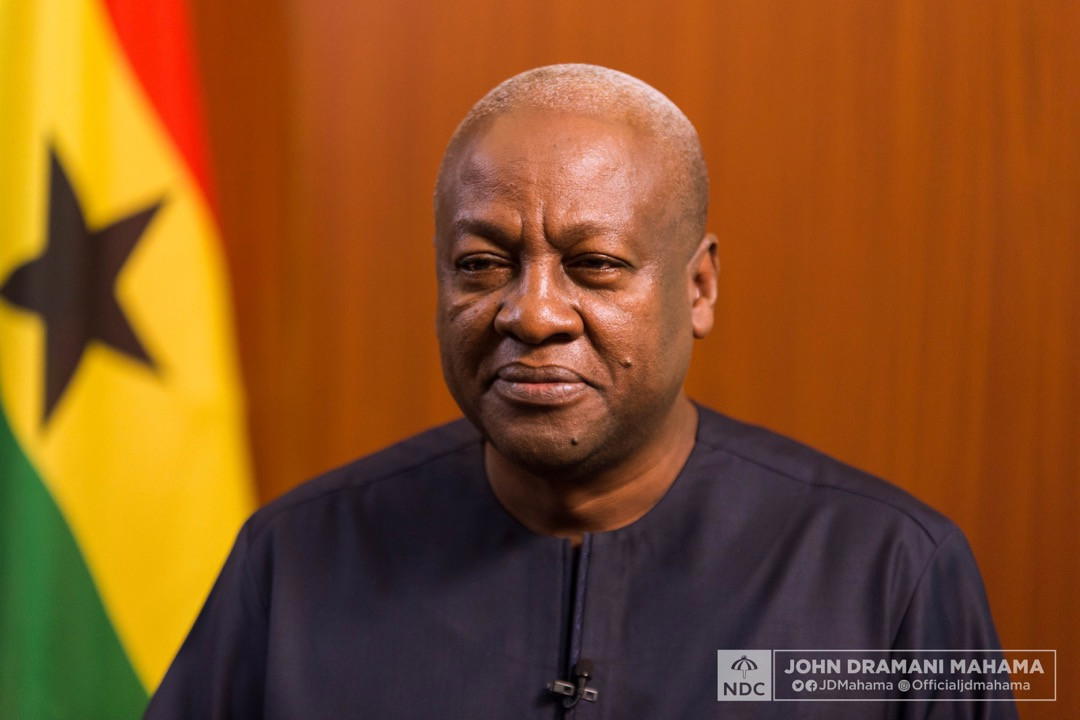
“Today, we come together in solemn solidarity to affirm truth and pursue a route to healing and reparative justice,” Mahama said.
 www.vanguardngr.com
The resolution emphasised “the trafficking of enslaved Africans and racialised chattel enslavement of Africans as the gravest crime against humanity by reason of the definitive break in world history”.
It also noted the scale, duration, systemic nature, brutality and enduring consequences that continue to structure the lives of all people through racialised regimes of labour, property and capital.”
It affirmed the importance of addressing historical wrongs affecting Africans and people of the diaspora in a manner that promotes justice, human rights, dignity and healing.
The countries where enslaved Africans were taken from also suffered “a hollowing out”, having lost entire generations who potentially could have helped them to prosper, she said.
“It was, to put it in colder terms, mass resource extraction,” Baerbock stressed.
Guterres urged countries to drive action to eradicate systemic racism, ensure reparatory justice and accelerate inclusive development, marked by equal access to education, health, employment, housing, and a safe environment.
The U.S. representative to the UN Economic and Social Council, Dan Negrea, said the U.S. “does not recognise a legal right to reparations for historical wrongs that were not illegal under international law at the time they occurred.”
MORE THAN JUST COMPENSATION'
Much of the debate around reparations, particularly in former colonial powers such as Britain and Portugal, has focused on financial payments but advocates say making amends for the past can take many forms.
"Reparations are more than just compensation," said ECOSOCC's head of secretariat William Carew. "It is about... ensuring future generations inherit a world that acknowledges their past and propels them towards a brighter future."
The AU said in a statement that reparations for Africa could entail land restitution in countries where land was taken from indigenous populations to the return of cultural artefacts.
It also highlighted the need for changes in policies that perpetuate inequalities and for international bodies, such as the United Nations, to hold former colonial powers to account.
In comparison, here's how Reparations talks are going just at home:
At the federal level, a proposal to create a commission to study what reparations might look like has been stalled in Congress for 35 years.
So the African countries might benefit, but it shouldn't only be them the way they're pitching it
 this feels like something to watch for the finer details