
You are using an out of date browser. It may not display this or other websites correctly.
You should upgrade or use an alternative browser.
You should upgrade or use an alternative browser.
Why don't we make new giant statues anymore?
- Thread starter goatmane
- Start date
More options
Who Replied?
 when I see Bravoos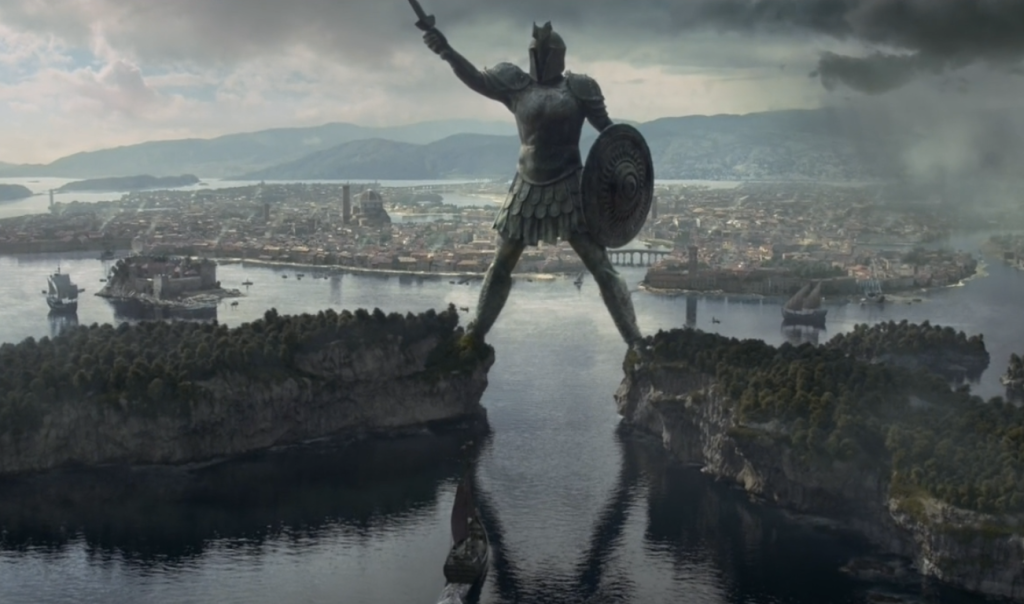

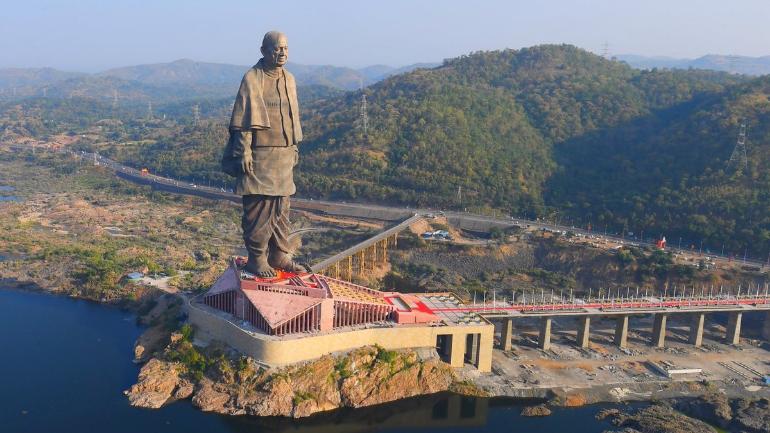

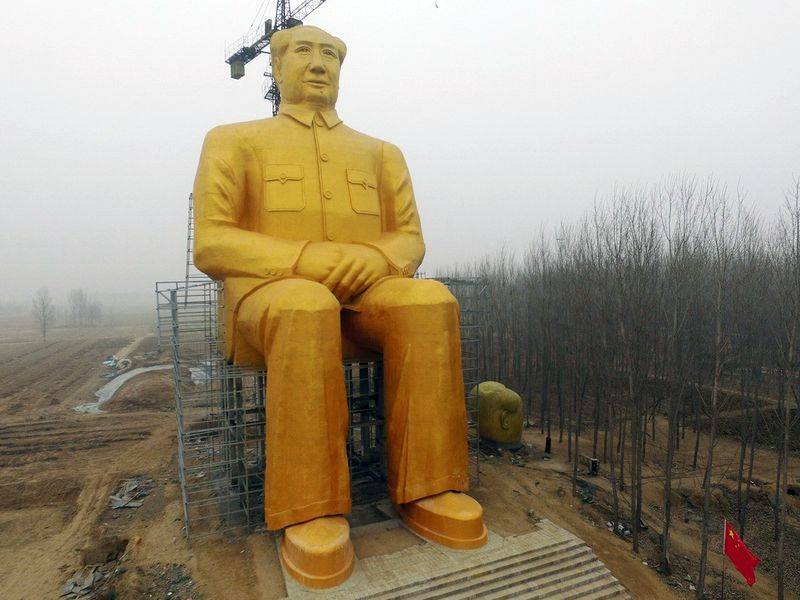

Their are sculptors that still make statues and idols. I know if you live in a tourist region they do them a lot like I remember sometime last year the damn Kennedy Space Center release a new statue of some nikkas or something.

ALonelyDad
Veteran
Trump will have one of him soon, do not worry

After 9/11 I think people are kinda shook about new landmarks/targets being built just to be messed up by people who don't appreciate them

Canada Goose
Pooping on your head :umad:
Cause us Pigeons will just shyt on them 


we should it's the best old school propaganda tool invented before television
I want one of Black era wide nose Michael Jackson holding his nuts that will stand 10000 years with an inscription that says fukk oprah eternally
I want one of Black era wide nose Michael Jackson holding his nuts that will stand 10000 years with an inscription that says fukk oprah eternally


Dafunkdoc_Unlimited
Theological Noncognitivist Since Birth
- Joined
- Jul 25, 2012
- Messages
- 45,062
- Reputation
- 8,005
- Daps
- 122,424
- Reppin
- The Wrong Side of the Tracks
They're now called 'Bridges'......

They don’t have any huge ones, the pic you linked is in DC.Imagine more giant MLK statue like the one they got in Memphis or Biringham
but the closest one I know is being built in the Dakotas to honor Crazy Horse. The top part of the pic is what they’ve finished and the bottom is the end goal





They don’t have any huge ones, the pic you linked is in DC.
but the closest one I know is being built in the Dakotas to honor Crazy Horse. The top part of the pic is what they’ve finished and the bottom is the end goal
My bad i meant they shouldve built the DC statue in da picture in more cities like Memphis

Beautiful sculpture but digging deeper explains why these things don't happen often. They are often expensive propaganda pieces that for dictators. In Senegal, they paid $27 mil for the statue and gave North Koreans the land it is on. The Wikipedia page speaks for itself:
Criticism[edit]
Expense[edit]
Thousands of people protested against "all the failures of President Wade's regime, the least of which is this horrible statue" on the city's streets beforehand, with riot police deployed to maintain control.[3] Deputy leader of the opposition Ndeye Fatou Toure described the monument as an "economic monster and a financial scandal in the context of the current [economic] crisis".
The colossal statue has been criticized for its cost at US$ 27 million (£16.6m).[1] The payment was made in kind, with 30 to 40 hectares of land that will be sponsored by a Senegalese businessman.[7]
Style[edit]
Senegalese opposition leaders also questioned the style of the project, while art critics argued that the body shapes are cartoon-like, with only vaguely African facial features.[1][failed verification] It was also suggested that the monument is a stark representation of the macho sexism of African authoritarian rulers.[8] The statue's design was derided internationally because of false claims of its Senegalese origin, actually having been designed by a Romanian architect and built by a North Korean sculpting company famous for various projects and large statues throughout Africa since the 1970s.[9] It was a poorly received piece by art critics around the world after its much-delayed unveiling in 2010 and was compared by some to the infamous (and once-abandoned) Christopher Columbus statue project that was unveiled in Arecibo, Puerto Rico in 2016.[10] Local imams argued that a statue depicting a human figure is idolatrous and objected to the perceived immodesty of the semi-nude male and female figures.[11]
In December 2009, President Abdoulaye Wade apologised to Senegal's Christian minority for comparing the statue to Jesus Christ.[1]
Revenue[edit]
The project has also attracted controversy due to Wade's claim to the intellectual property rights of the statue, and insisting that he is entitled to 35 percent of the profits raised.[11] Opposition figures have sharply criticised Wade's plan to claim intellectual property rights, insisting that the president cannot claim copyright over ideas conceived as a function of his public office.[12][1]
Local artists[edit]
Ousmane Sow, a world-renowned Senegalese sculptor, also objected to the use of North Korean builders, saying it was anything but a symbol of African Renaissance and nothing to do with art.[13]
Also, this is how North Korea exerts powers across the globe. They have African brothers out here paying homage to Kim Jong-Il for no damn reason because of propaganda. Vice did a special on it (timestampped):

Red Shield
Global Domination


I just want to see the process of how they were made.... Humans ain't shyt but are also amazing at the same time..... 

