
You are using an out of date browser. It may not display this or other websites correctly.
You should upgrade or use an alternative browser.
You should upgrade or use an alternative browser.
How serious is this California drought?
- Thread starter CourtesyFlush
- Start date
More options
Who Replied?
Mr.Big Meat McGee
All Star
California gonna be on some Mad Max shyt.... nikkas gonna be fighting for water n shyt.

California gonna be on some Mad Max shyt.... nikkas gonna be fighting for water n shyt.
And on top of Mad Max: Fury Road dropping this summer. That ain't a coincidence.


ManBearPig
half man half bearpig


In dry California, thirsty oil and Big-Ag industries exempt from water regulations
April 4, 2015 9:23 am EDT
Despite historic drought, Governor Jerry Brown has not put restrictions on oil drilling and fracking, but is focusing on urban usage of water
By Nadia Prupis | Common Dreams
As California Governor Jerry Brown this week instituted the state’s first-ever mandatory restrictions on water usage to combat its historic four-year drought, environmental activists are pointing out two glaring exemptions from the order: the fossil fuel and agriculture industries.
Brown’s mandate, announced Wednesday, directs cities and communities to cut down their water consumption by 25 percent, but does not make any requirements of the state’s numerous oil companies, including those which practice the water-heavy fracking method of extraction, nor of large-scale farming operations.
“Both of them use tremendous amounts of water,” Earthjustice attorney Trent Orr told Common Dreams.
Brown is “putting restrictions on everyone except oil and agriculture… it seems like the powerful industries have gotten a pass,” Orr continued.
Adam Scow, California director of Food & Water Watch, also said Wednesday, “It is disappointing that Governor Brown’s executive order to reduce California water use does not address the state’s most egregious corporate water abuses. In the midst of a severe drought, the Governor continues to allow corporate farms and oil interests to deplete and pollute our precious groundwater resources that are crucial for saving water.”
California’s oil and gas industry uses more than 2 million gallons of fresh water a day to produce oil through fracking, acidizing, and steam injections, according to environmental estimates. In 2014, California oil producers used up nearly 70 million gallons of water on fracking alone, state officials told Reuters on Thursday.
While that number is lower than projected, fracking and toxic injection wells must not be given “a continuing license to break the law and poison our water,” Zack Malitz, an organizer with environmental group Credo, told Reuters.
“Fracking and toxic injection wells may not be the largest uses of water in California,” he added, “but they are undoubtedly some of the stupidest.”
The bulk of Brown’s mandate focuses on urban water use, which as the LA Times points out, makes up less than a quarter of the total water consumption in the state.
“The government’s response to this growing crisis has been behind the curve,” Jonas Minton, water policy adviser for the Planning and Conservation League and a former state water official, told the Times.
Rather than focusing on urban usage, Brown should go after the industries which contributed the most to the drought, environmental activists say.
Scow continued, “Governor Brown should stop… the ongoing contamination of groundwater aquifers by toxic wastewater from oil and gas operations. It is disturbing and irresponsible that the Brown administration continues to allow oil companies to contaminate and rob Californians of these fresh water sources.”
According to Orr, the looming repercussions of the drought will be felt for years down the line and may emerge in yet-unknowable ways. In the Sacramento-San Joaquin River Delta, for instance, species of fish once abundant in the area are now nearly extinct, he said—a development which poses an ominous question: “What kind of natural systems will we have in California?”
“The environment desperately needs water,” he added. “We’re very disturbed at the unequal sharing of the burden… There’s no principled reason for it.”
As to why these industries found themselves exempt from facing the consequences of California’s historic drought, Orr said, “The agriculture industry is tremendously powerful in California, and oil and gas are tremendously powerful period.”
This article originally appeared on Common Dreams.
ManBearPig
half man half bearpig
Cali can build a pipe from there to Lake Superior?
Thats the largest pool of fresh water in the world and almost nobody is using.
Better yet move to Minnesota
Thats the largest pool of fresh water in the world and almost nobody is using.
Better yet move to Minnesota
Time to buy up water and stash it away for a killing when these cacs stary dying ofntjorsy.
um that'll be 50 dollars for this 12 ounce


newworldafro
DeeperThanRapBiggerThanHH
In dry California, thirsty oil and Big-Ag industries exempt from water regulations
April 4, 2015 9:23 am EDT
Despite historic drought, Governor Jerry Brown has not put restrictions on oil drilling and fracking, but is focusing on urban usage of water
By Nadia Prupis | Common Dreams
As California Governor Jerry Brown this week instituted the state’s first-ever mandatory restrictions on water usage to combat its historic four-year drought, environmental activists are pointing out two glaring exemptions from the order: the fossil fuel and agriculture industries.
Brown’s mandate, announced Wednesday, directs cities and communities to cut down their water consumption by 25 percent, but does not make any requirements of the state’s numerous oil companies, including those which practice the water-heavy fracking method of extraction, nor of large-scale farming operations.
“Both of them use tremendous amounts of water,” Earthjustice attorney Trent Orr told Common Dreams.
Brown is “putting restrictions on everyone except oil and agriculture… it seems like the powerful industries have gotten a pass,” Orr continued.
Adam Scow, California director of Food & Water Watch, also said Wednesday, “It is disappointing that Governor Brown’s executive order to reduce California water use does not address the state’s most egregious corporate water abuses. In the midst of a severe drought, the Governor continues to allow corporate farms and oil interests to deplete and pollute our precious groundwater resources that are crucial for saving water.”
California’s oil and gas industry uses more than 2 million gallons of fresh water a day to produce oil through fracking, acidizing, and steam injections, according to environmental estimates. In 2014, California oil producers used up nearly 70 million gallons of water on fracking alone, state officials told Reuters on Thursday.
While that number is lower than projected, fracking and toxic injection wells must not be given “a continuing license to break the law and poison our water,” Zack Malitz, an organizer with environmental group Credo, told Reuters.
“Fracking and toxic injection wells may not be the largest uses of water in California,” he added, “but they are undoubtedly some of the stupidest.”
The bulk of Brown’s mandate focuses on urban water use, which as the LA Times points out, makes up less than a quarter of the total water consumption in the state.
“The government’s response to this growing crisis has been behind the curve,” Jonas Minton, water policy adviser for the Planning and Conservation League and a former state water official, told the Times.
Rather than focusing on urban usage, Brown should go after the industries which contributed the most to the drought, environmental activists say.
Scow continued, “Governor Brown should stop… the ongoing contamination of groundwater aquifers by toxic wastewater from oil and gas operations. It is disturbing and irresponsible that the Brown administration continues to allow oil companies to contaminate and rob Californians of these fresh water sources.”
According to Orr, the looming repercussions of the drought will be felt for years down the line and may emerge in yet-unknowable ways. In the Sacramento-San Joaquin River Delta, for instance, species of fish once abundant in the area are now nearly extinct, he said—a development which poses an ominous question: “What kind of natural systems will we have in California?”
“The environment desperately needs water,” he added. “We’re very disturbed at the unequal sharing of the burden… There’s no principled reason for it.”
As to why these industries found themselves exempt from facing the consequences of California’s historic drought, Orr said, “The agriculture industry is tremendously powerful in California, and oil and gas are tremendously powerful period.”
This article originally appeared on Common Dreams.
Yep yep. If water contamination in aquifers through obvious industrial practices is icing on the cake, then bottling water for private companies is the cherry on top.
So the Governor Brown supports fracking operations, which uses immense amounts of water and pollutes it at the same time, http://www.latimes.com/opinion/op-ed/la-oe-hertsgaard-jerry-brown-fracking-20150206-story.html, but wants citizens to chill out with their usage.

Opponents dispute the safety argument and condemn diverting vast amounts of water to fracking amid California's historic drought. (Fracking a single oil well can require 2 million to 8 million gallons of water that is then left too polluted for human or agricultural use.) Scientists have also concluded that fracking, which aims to shatter underground rock to free oil and gas, has helped cause earthquakes in Ohio and Oklahoma — no small consideration in California.
So if you here people talking about climate change is the reason for the California drought give them the
 /.
/. -------------------------------------------------------------------------------------------------------------------------------------------------------------------------------------------------------------------------------
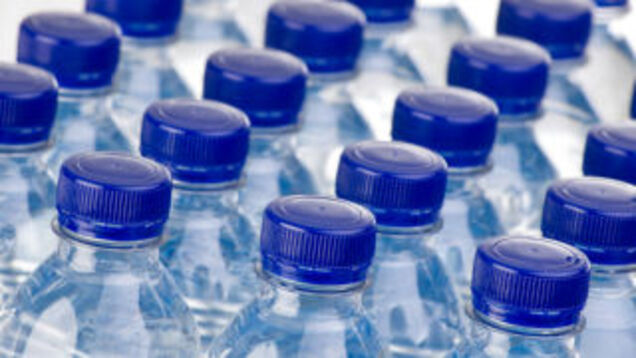
The Nestle Corporation has come under fire recently for bottling and selling water during one of the most severe droughts in Western North American history. Here's the kicker, though: what they're doing is perfectly legal.
As many of you are no doubt aware, California has been dealing with a serious drought problem lately. And by lately, I mean four straight years now. It's gotten so bad, in fact, that Governor Jerry Brown just recently imposed water rationing for the first time in the state's history, including a 25% cut on residential water use.* Nestle, meanwhile, has been operating as if things were business as usual, last year drawing 50 million gallons from Sacramento sources alone, via Reuters. While that's less than half a percent of the total production of the Sacramento Suburban Water District, it would also constitute 12% of the district's total residential water usage. Numerous protests to the Sacramento area and an online petition with 40,000 signatures have sprung up in response.
A lot of this entire discussion probably comes down to whether you believe water should be a fundamental human right, or whether you are wrong. Again, Nestle isn't doing anything illegal. That's actually the problem: what Nestle is doing is perfectly legal. We really shouldn't get mad at Nestle for this; after all, you don't get mad when a puppy craps on the rug, because such is its nature. By the same token, since corporations are sociopaths, it's unfair to act surprised when they engage in sociopathic behavior. No, who we should really be mad at is the system that allows them to get away with things like this, one ostensibly comprised of human beings who know better.
Look at British Columbia (where experts have warned the drought might come next) for evidence of this. Canadian provincial governments set the price for companies like Nestle to draw water. In Quebec, for example, the rate is $70 per millon liters drawn. In Nova Scotia, it's $140. In British Columbia, it's $2.25. That isn't a typo. Water is a vital, valuable, and increasingly rare resource, and our governments are selling us out on it. Nestle claims it's doing nothing harmful in its watersheds, and that's technically true—other than the fact that they're drawing the water to be used for private commercial gain during a severe drought, which sounds pretty harmful to me.
It's not just our governments, either; we're just as much to blame. Part of the issue is that we're still buying bottled water, because we've somehow been convinced it's better than tap water. Bottled water costs nearly 1000 times more than tap water, and yet studies have shown it's not in any way safer or better than what comes out of a faucet. When one takes a step back, it's pretty obvious bottled water has always been a scam, but it's become such a pervasive one that few, beyond stand-up comics mining it for material, question it any more. I'm just as guilty as anyone here: despite frequently commenting on how ridiculous the entire concept of bottled water is, I've definitely bought bottled water at rest stops and not really thought twice about it.
Bottled water isn't even a particularly profitable industry for Nestle: according to that same Reuters report, Nestle's operating profit from bottled water is less than half that of its powdered and liquid drinks units. One has to wonder, then, why, in the face of a mounting public outcry, they don't just temporarily put their operations on hold. Even sociopaths generally understand the concept of public relations.
* Similar water rationing plans were proposed in the 1970's in the midst of another severe drought, but were never implemented.
Last edited:

Android is a bytch. I meant thirst

Poh SIti Dawn
Staying Positive, Getting Better Everyday. Holler!
Oddly enough, I was helping an older woman at work who came from the big island who knew of my family and she told me how serious it was. Her husband has to spend time there to help them find places to make wells.
Also they say farms use 80% of the water in Cali and that Cali uses several billions of gallons of water a year.
Also they say farms use 80% of the water in Cali and that Cali uses several billions of gallons of water a year.


606onit
Superstar
I barely like people from California. I think they're mostly lying, arrogant scum. Cultureless thieves. I dont want those fakkits drinking any midwestern water. fukk their crops.Cali can build a pipe from there to Lake Superior?
Thats the largest pool of fresh water in the world and almost nobody is using.
Better yet move to Minnesota

I barely like people from California. I think they're mostly lying, arrogant scum. Cultureless thieves. I dont want those fakkits drinking any midwestern water. fukk their crops.

ManBearPig
half man half bearpig
I barely like people from California. I think they're mostly lying, arrogant scum. Cultureless thieves. I dont want those fakkits drinking any midwestern water. fukk their crops.
lol true but its funny that we have the largest lake in the world and it's only being used to supply water for cities like Duluth MN and unknown Canadian cities.